Wind energy in Denmark
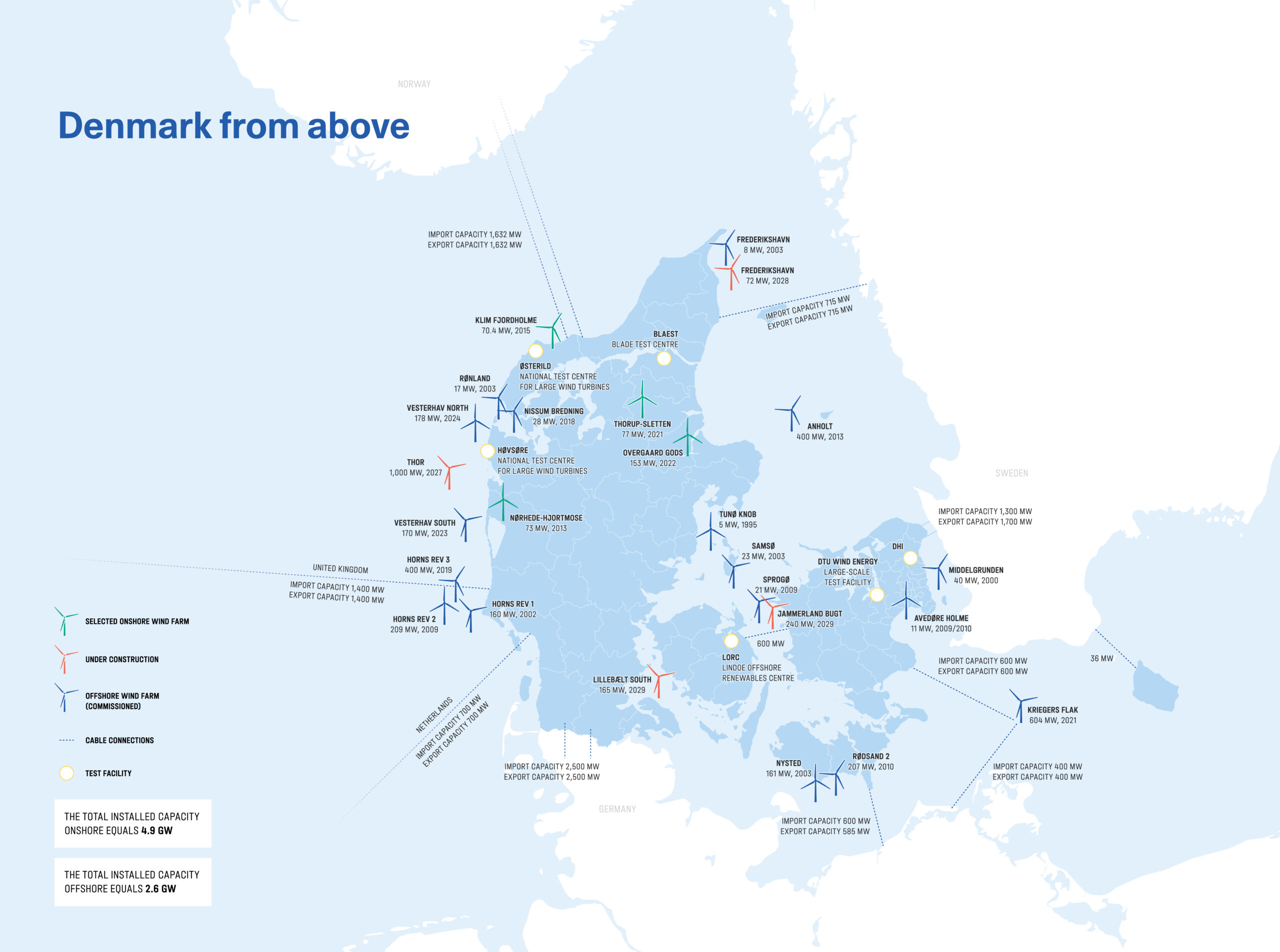
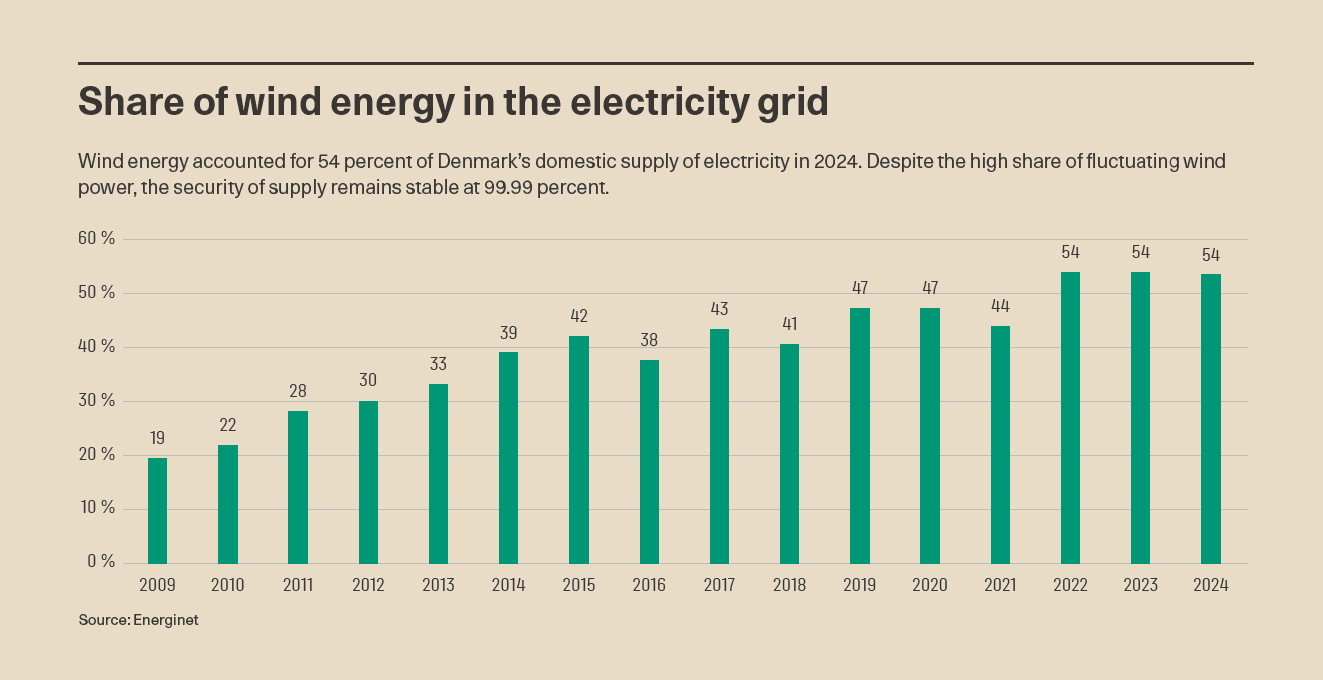
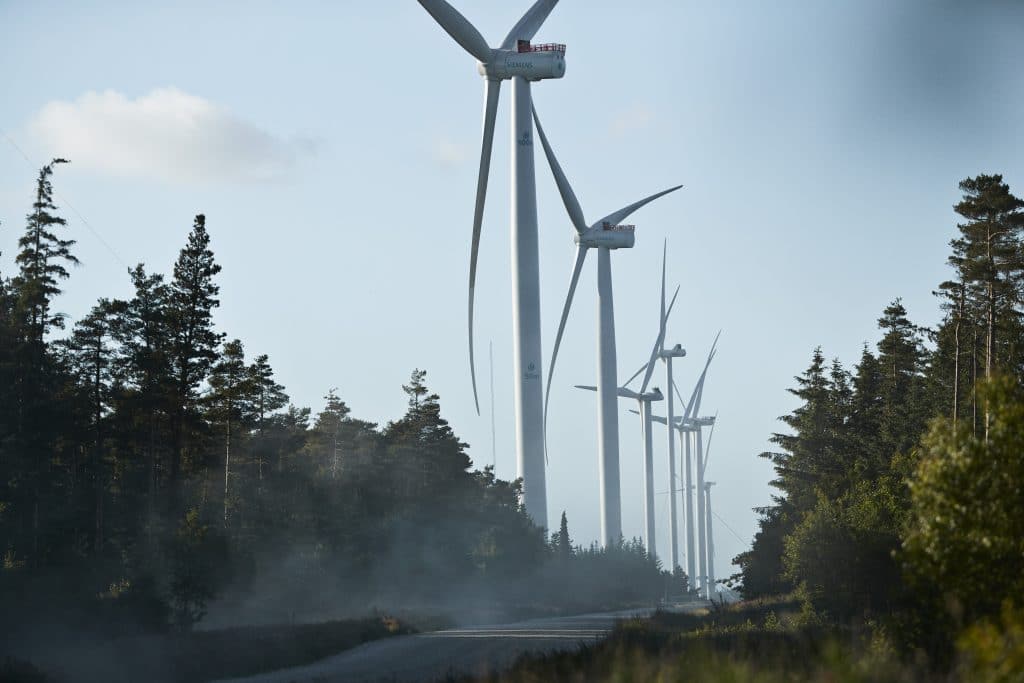
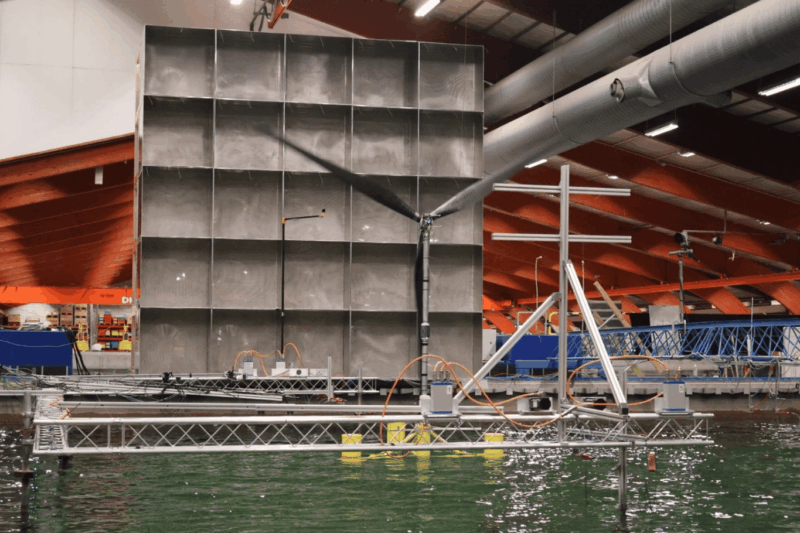
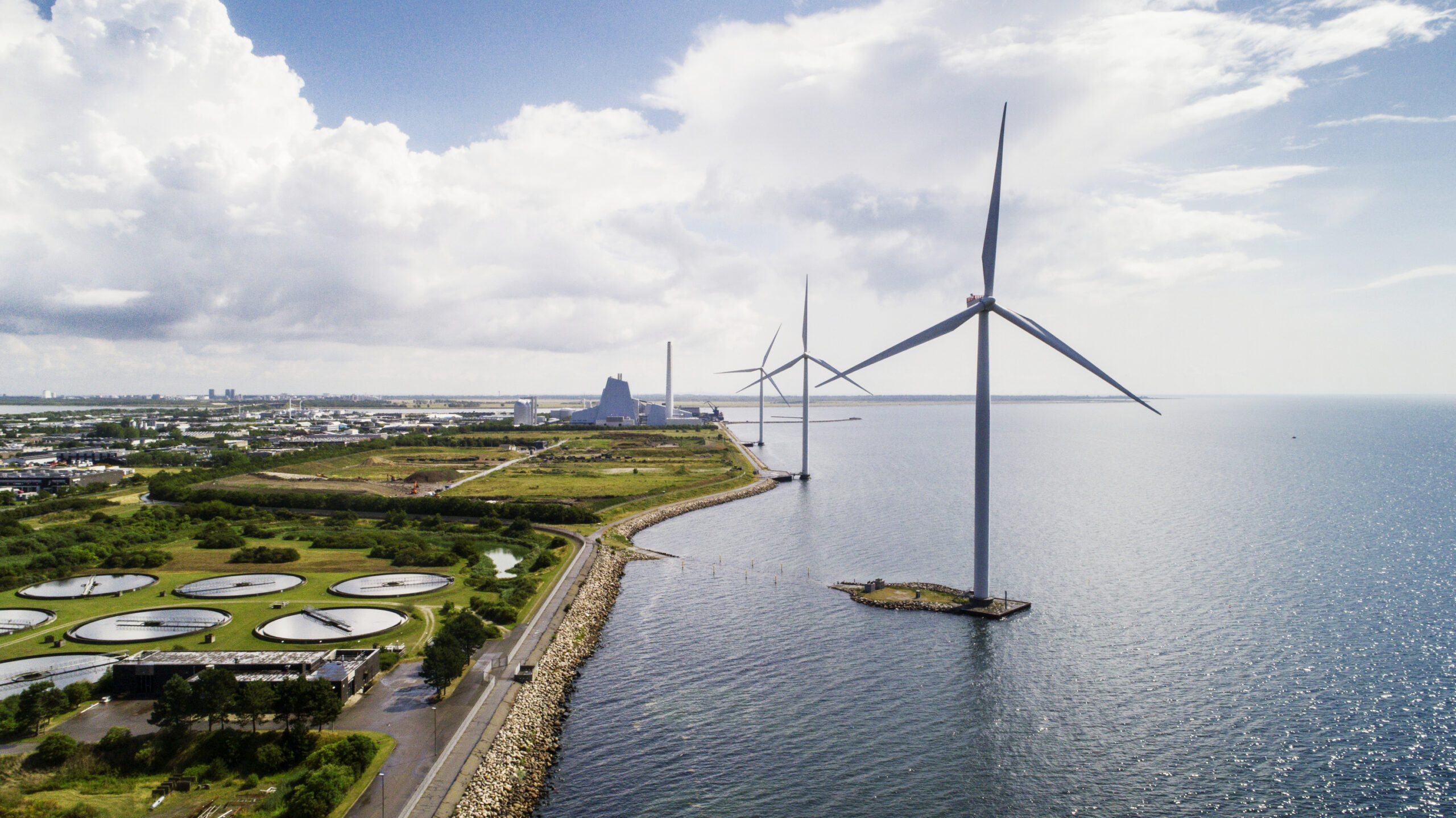
Denmark is a world leader in wind energy, producing almost 60 percent of its electricity from onshore and offshore wind turbines in 2024. With cutting-edge research and development, testing facilities such as Østerild National Test Centre, and a globally recognised wind energy value chain, Denmark shows how collaboration and innovation drive the green transition.
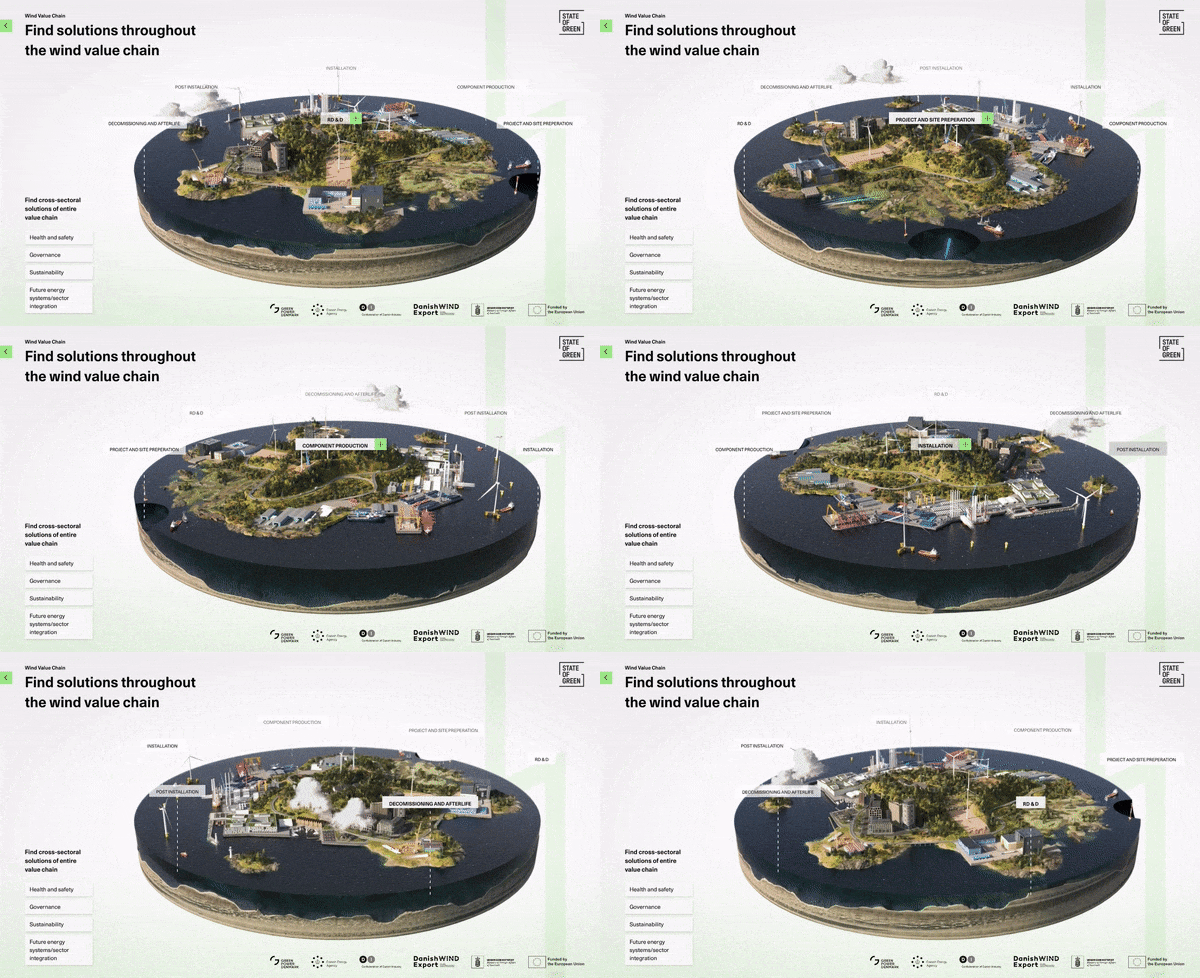
Explore the Danish wind value chain or download the latest white paper to learn more.
Pioneering wind development
For more than four decades, Denmark has been at the forefront of wind power development, turning a promising idea into one of the world’s most reliable and affordable sources of renewable energy. A strong culture of innovation, public-private collaboration, and clear policy frameworks has made Denmark a model for the global wind industry, helping other nations accelerate their own renewable transitions.
The evolution of Danish wind energy
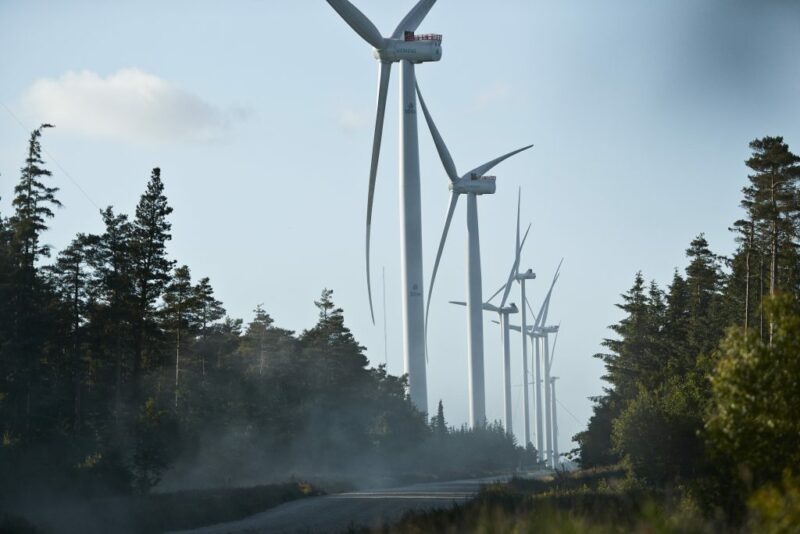
The journey began in the 1970s, when the first onshore wind farms were developed. By the 1980s, wind turbines had become a common sight in the Danish landscape, showing the world that wind could be a serious alternative to fossil fuels. By the early 1980’s, around 20 wind turbine manufacturers were operating in Denmark. Today, the wind industry includes around 500 companies and employs 33,500 people, which is equivalent to 2 percent of the country’s total private sector employment.
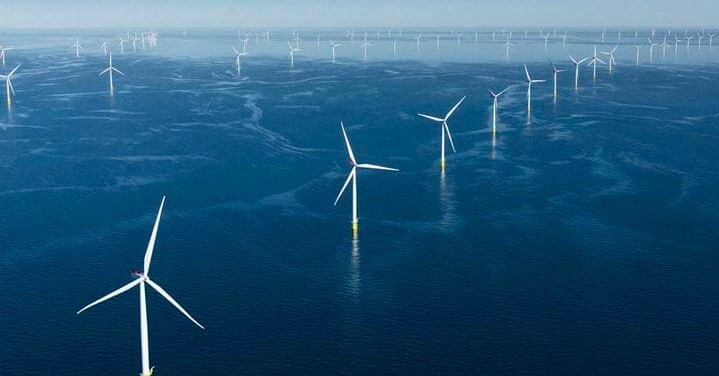
Denmark’s geography has played a key role too. With around 8,700 kilometres of coastline, shallow waters, and steady wind conditions, the country is naturally suited for wind energy. In 1991, Denmark made history as the first country in the world to build a commercial offshore wind farm — a step that inspired global momentum toward cleaner energy.
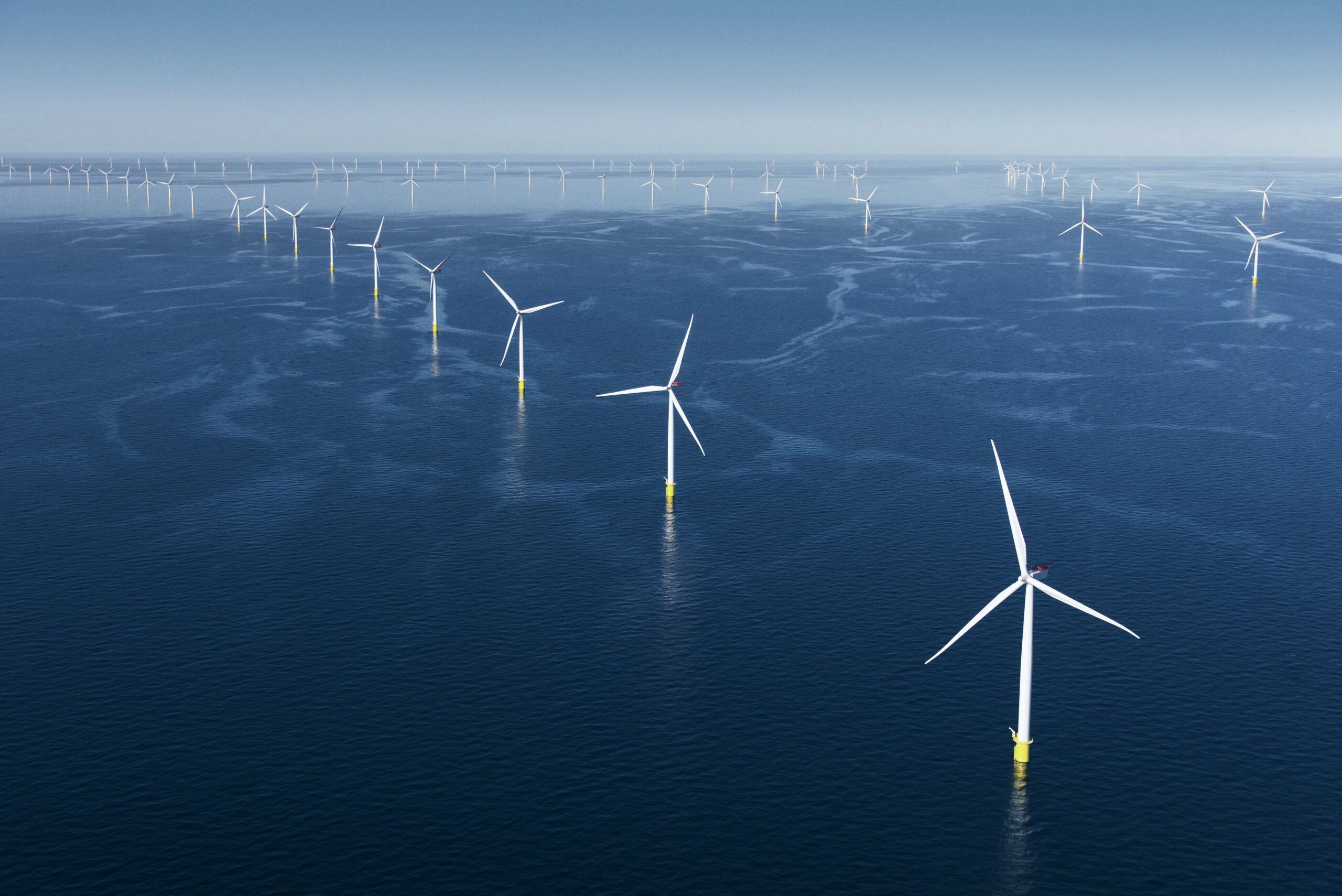
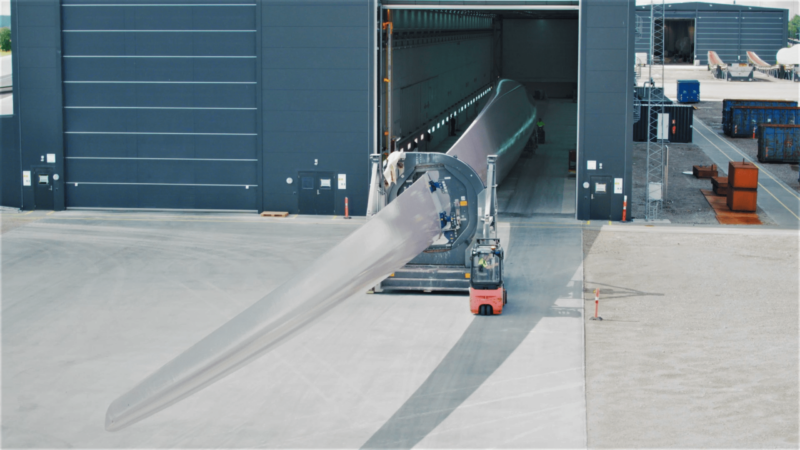
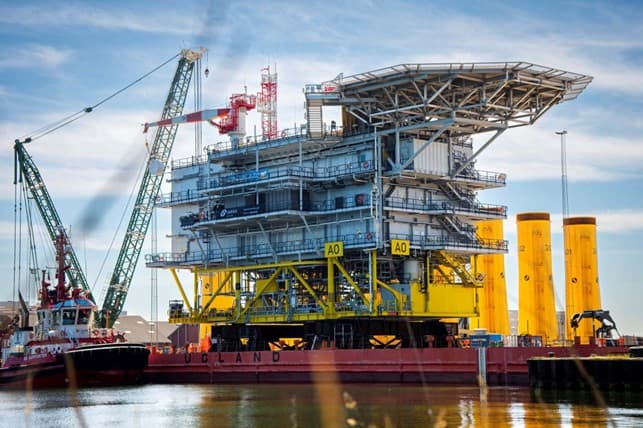
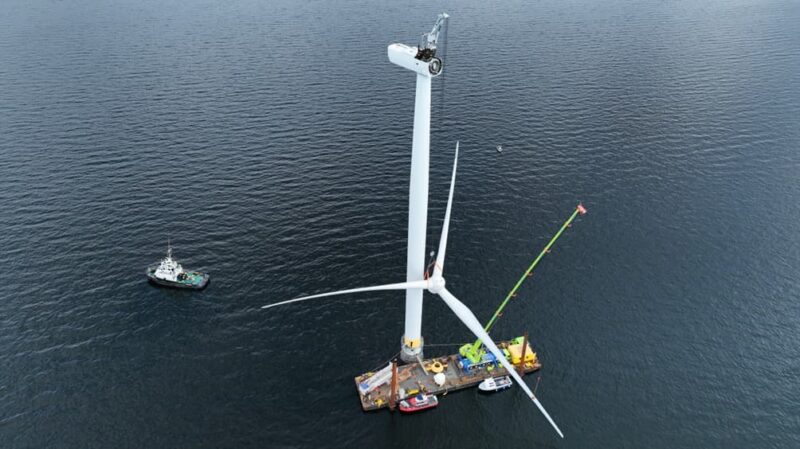
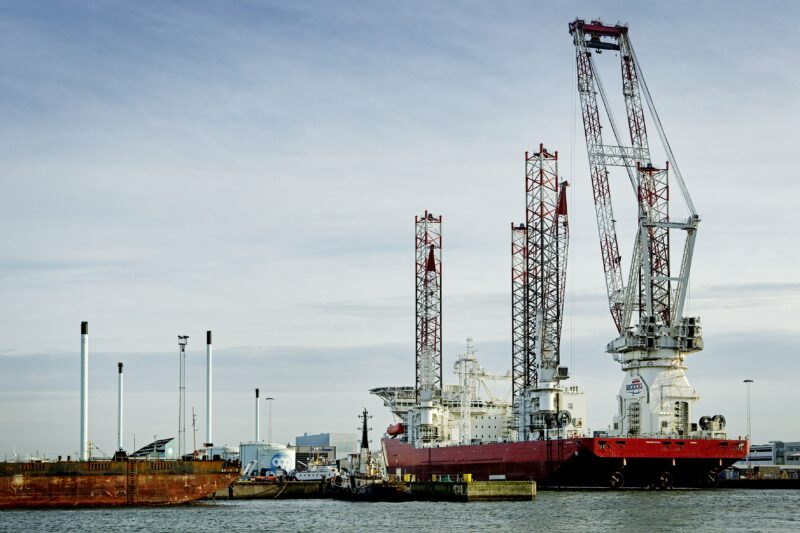
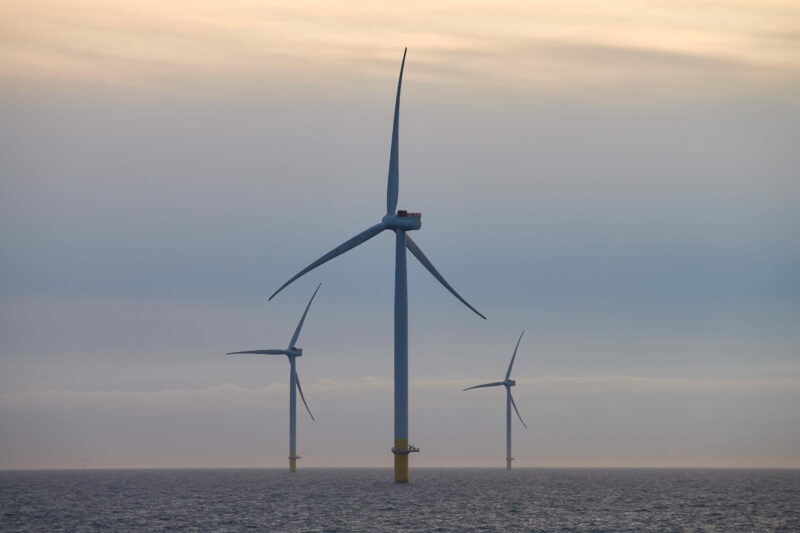
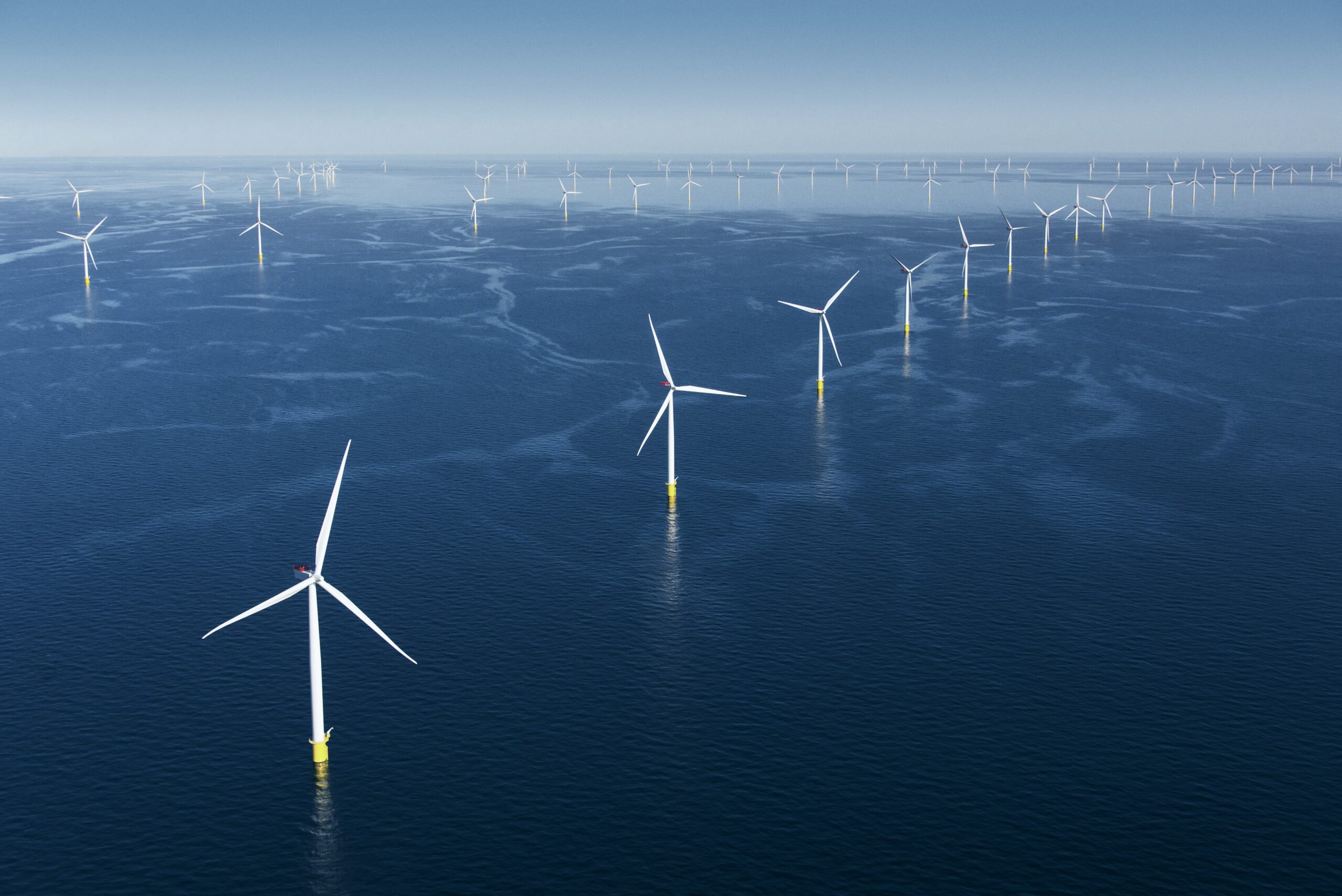
Since then, Denmark has continued to lead in both the development and deployment of wind energy. A number of large-scale wind farms have been constructed in the North Sea and Baltic Sea, and today’s offshore wind turbines are more powerful and cost-effective than ever. One of the most recent examples is the upcoming Thor Offshore Wind Farm, which will become Denmark’s largest to date with a capacity of over 1 GW. Developed by RWE, the project sets new standards for sustainability by including recyclable blades and low-carbon steel towers. Thor is not only a major step toward Denmark’s 2030 climate targets — it also shows how innovation and climate action can go hand in hand.