Skip to content

News

Wind energy

Grid and infrastructure

Offshore wind

+2

Europe’s energy security is under attack from dis- and misinformation

A new report by WindEurope and UK-based think tank CASM Technology reveals that false narratives about wind energy on social media are delaying and cancelling real-world projects across Europe. The findings point to a growing systemic risk to Europe's competitiveness and its ambition to become energy independent.

Discover how renewable energy is supporting security of supply

This article is part of State of Green’s 2026 focus on “Security of supply: Building resilient energy systems and societies”. Explore how green solutions – from wind and sector coupling to district energy and smart grids – are the key to building flexible, resilient and independent societies.

Visit the landing page

As WindEurope 2026 opens in Madrid, the conversation about Europe’s energy future is not only taking place on conference stages. It is also unfolding – sometimes louder – on social media, where coordinated campaigns of dis- and misinformation are actively working to discredit the effects and legitimacy of renewable energy.

A new report, presented on 21 April by WindEurope together with UK-based think tank CASM Technology, puts numbers behind what many in the industry have observed for years: false narratives about wind energy are no longer a fringe phenomenon. They are a systemic risk to Europe’s security and competitiveness.

Also read: Report: Renewable energy not to blame for Iberian blackout

From social media myths to real-life delays

Over a research period of one and a half years, the analysis identified more than 40,000 anti-wind posts across social media platforms, generating 6.3 million active engagements and tens of millions of views. Behind this activity sits what the report describes as a large and well-organised ecosystem of professionalised anti-wind groups, activists, media outlets and predominantly right-wing politicians.

The consequences are no longer confined to comment sections. According to the report, wind energy projects worth billions of euros have been halted or cancelled across Europe, often following protests and campaigns underpinned by dis- and misinformation claims. In some cases, the spillover has even included violent attacks on wind farms.

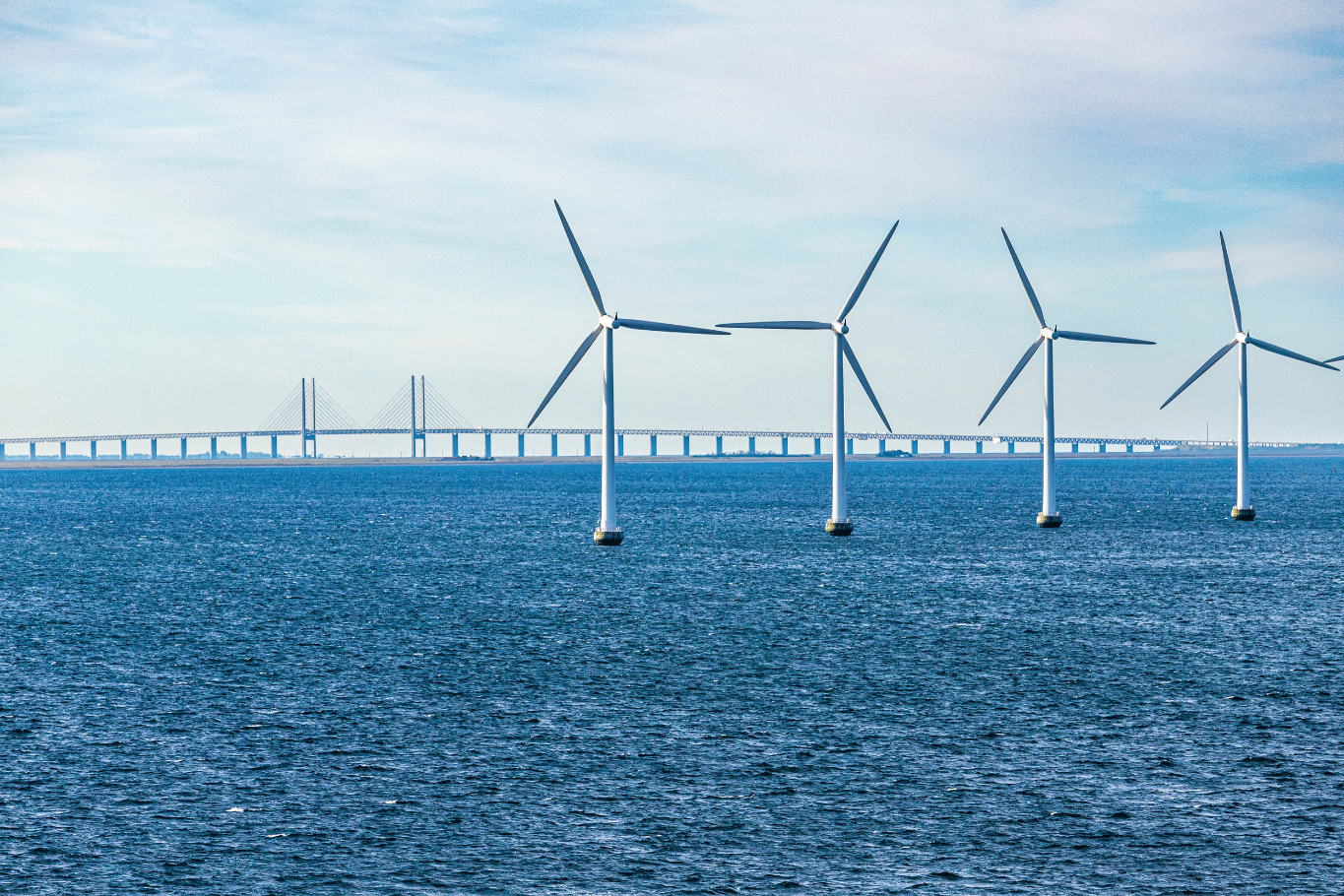
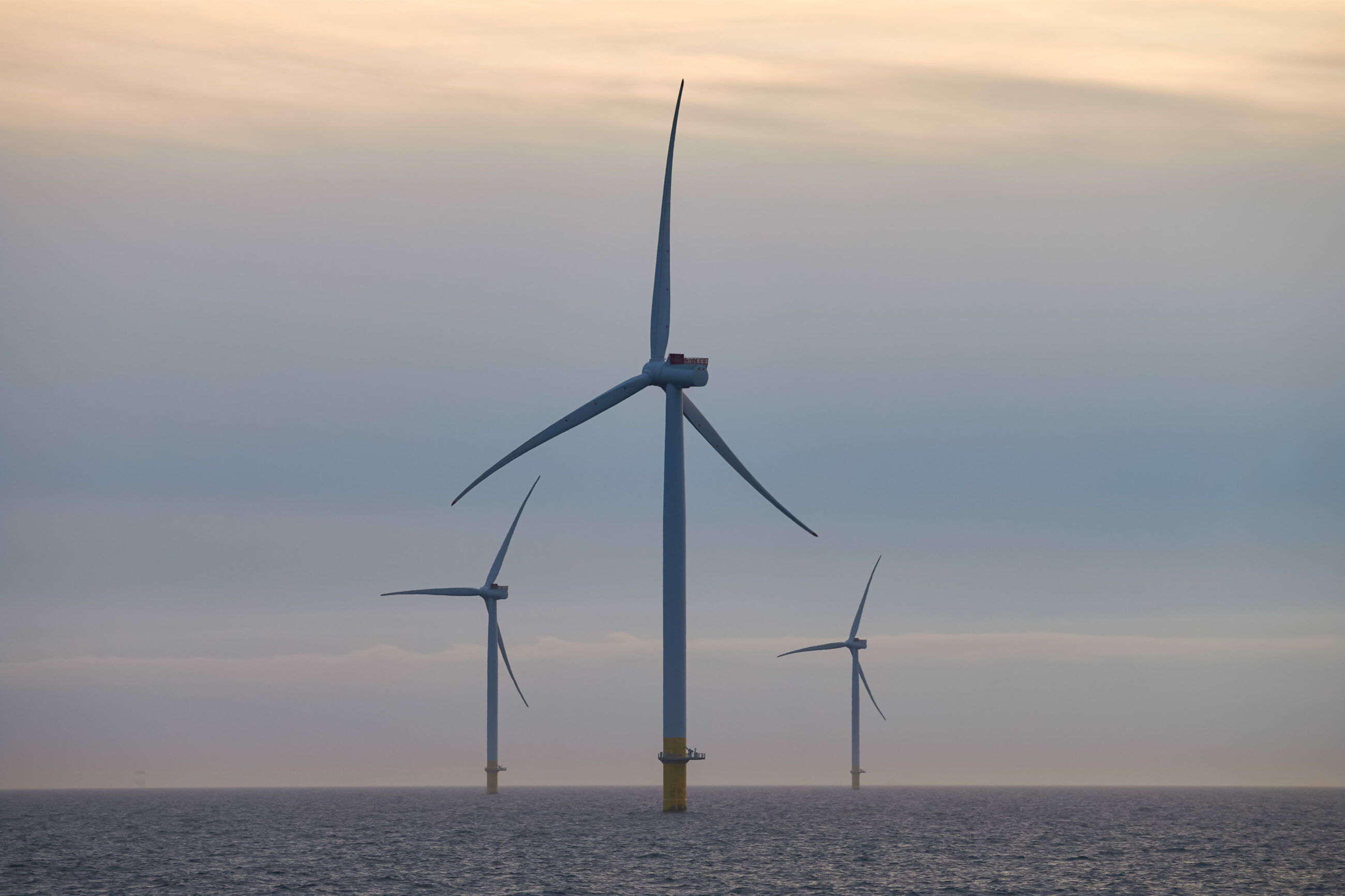
Offshore wind turbines near the Oresund Bridge

Wind energy projects worth billions of euros have been cancelled across Europe, often underpinned by dis- and misinformation claims.

A direct threat to energy security

The timing matters. Europe is working hard to reduce its dependence on imported fossil fuels, keep electricity prices in check and accelerate the build-out of home-grown renewables. Every delayed or cancelled wind project adds to that challenge.

Tinne van der Straeten, WindEurope CEO, says:

“Wind energy dis- and misinformation are much more than a social media phenomenon. Across Europe, wind energy projects worth billions of Euros have been halted or cancelled, often following protests and campaigns underpinned by dis- and misinformation claims. The results are alarming: a slower transition to home-grown renewables and higher electricity prices for European consumers.”

The European Commission is taking the issue seriously. Dan Jørgensen, European Commissioner for Energy and Housing, says:

“At a time when Europe is once again confronted with a fossil energy crisis, my message is unmistakable: wind power is not only a climate solution—it is an economic advantage and a pillar of our security. We cannot allow disinformation to delay or derail the expansion of renewable energy at the very moment we need to accelerate it to lower costs for our consumers and to strengthen our resilience. The Commission takes this issue very seriously and is actively working, including through targeted information campaigns, to counter false narratives about wind and clean energy. Europe needs a public debate grounded in facts, not fiction.”
Discover the report

The full report “Wind energy: dis- and misinformation undermining Europe’s security and competitiveness” is available on WindEurope’s website.

Discover the report

Facts over fiction: the Danish experience

Luckily, the facts tell a positive story.

Denmark gets 54 percent of its electricity from wind and 64 percent of its total energy use from renewables – while maintaining a 99.99 percent security of electricity supply, with an average of around 20 outage minutes per year over the past decade. In other words: a grid with very high shares of wind is not only possible, it is already working reliably.

The Danish experience also shows that local engagement is the best antidote to myths. Around 93 percent of people already living near Danish wind farms report little to no disturbance. Initiatives such as Andel’s Windy Retreats – which invite Danes to stay for free in homes close to wind turbines – have shown that first-hand experience changes minds. The campaign positively shifted perceptions of wind turbines among more than 900,000 Danes.

Why this matters for security of supply

Dis- and misinformation are not only a communications problem. They are an energy security problem. Failing to deliver a renewables-based energy system with high shares of wind could cost Europe up to EUR 1.6 trillion by 2050.

Home-grown wind is one of the clearest paths to strategic autonomy: it is domestically produced, increasingly the cheapest form of new electricity, and a proven partner for a stable, modern grid. Ensuring that the public debate about wind is grounded in facts is therefore not a side issue – it is central to building resilient energy systems and resilient societies.

Dig deeper: Wind energy – powering the future

Featuring more than 10 in-depth cases and insights from leading Danish players, our white paper “Wind energy – Powering the future” offers a toolbox of ideas, technologies and frameworks for accelerating wind energy deployment worldwide.

Download the white paper

You should consider reading

Grid and infrastructure
Offshore wind
Onshore wind
Security of supply
Wind energy