Explore solutions within biodiversity
We have gathered cases showcasing good examples of how to include biodiversity in projects and operations.
Explore cases on biodiversity
Denmark is advancing holistic, cross-sector solutions to tackle the global biodiversity crisis - placing nature at the heart of the green transition through innovation, partnerships and action.
The Danish Biodiversity Partnership has presented new recommendations for companies to help halt biodiversity loss by 2030 and restore nature both in the sea and on land. The tangible recommendations were handed over to the Danish Minister of Environment at Denmark’s biggest democratic festival, Folkemødet, last week.
Read the news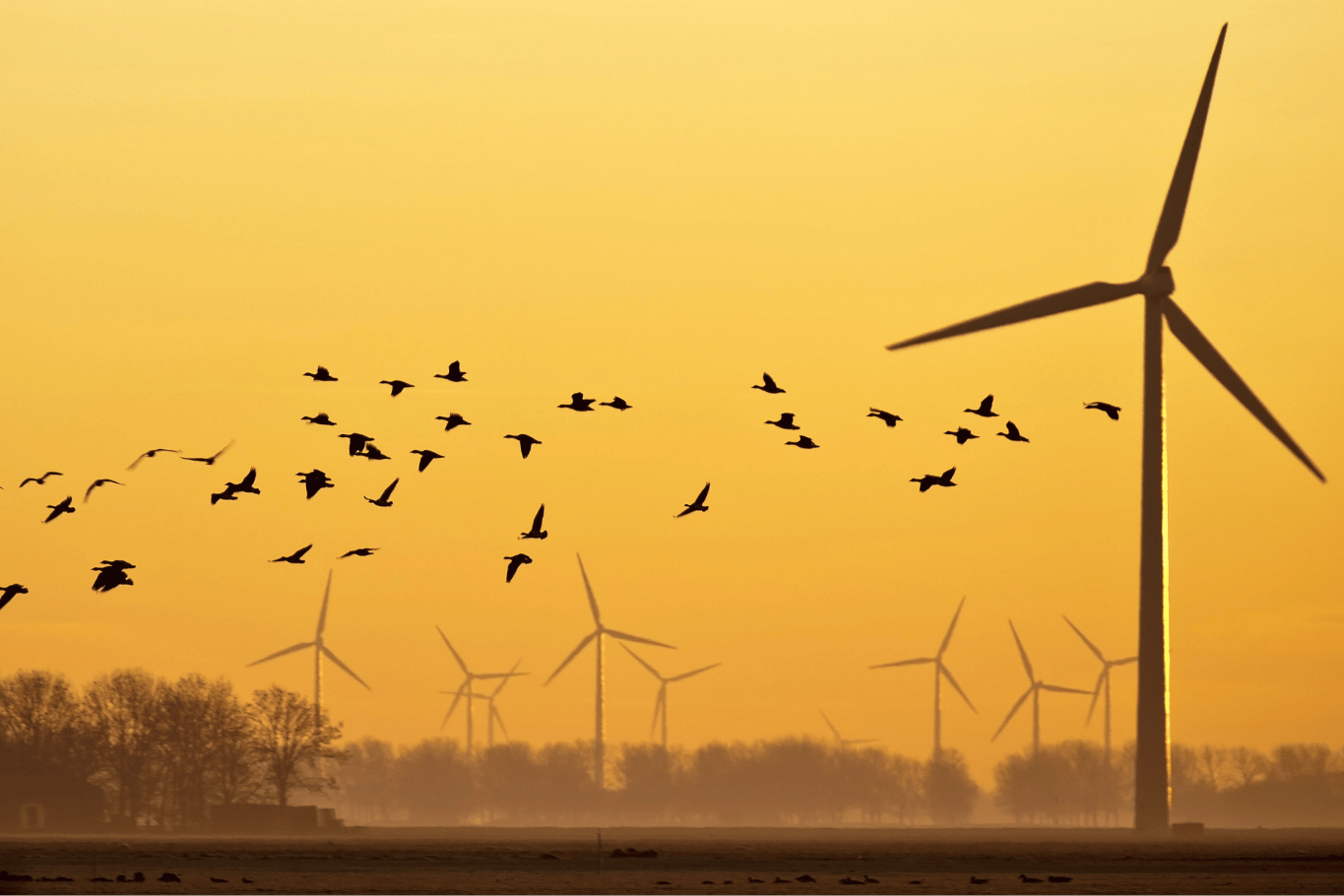
It's time to turn biodiversity commitments into concrete action. Launched during COP16, this publication presents tangible recommendations to biodiversity action from Denmark's Biodiversity Partnership.
Read the news
We have gathered cases showcasing good examples of how to include biodiversity in projects and operations.
Explore cases on biodiversityBiodiversity is the living foundation on which societies and economies depend. It is embedded in every aspect of our daily lives – from the food we eat to the air we breathe and the water we drink. But today, nature is in crisis. Species are disappearing faster than at any point in human history, and ecosystems are under pressure worldwide.
The biodiversity crisis is not an isolated environmental issue. It is deeply interconnected with climate change, food systems, water security, and public health. When biodiversity is degraded, these systems become more fragile. When it is protected and restored, they grow stronger, more adaptive, and more capable of supporting people and the planet.
Addressing the loss of biodiversity is not only a moral imperative but also a global necessity for a just, resilient, and inclusive green transition.
Biodiversity, the variety of living species on Earth, including plants, animals, bacteria, and fungi, is rapidly capturing interest among investors, policymakers, and leading corporations. It is a shared global challenge. Biodiversity is a prerequisite for healthy ecosystems that sustain food systems, medicine, clean air, and quality water. Fifty percent of global GDP is highly dependent on the increasingly declining biodiversity. Never in human history have species disappeared at such a rapid rate as now.
It’s time to turn biodiversity commitments into concrete action. Launched during COP16, this publication presents tangible recommendations to biodiversity action from Denmark’s Biodiversity Partnership.
Discover the task of the Danish Biodiversity PartnershipDenmark is taking action to reverse biodiversity loss through a cross-sectoral approach rooted in public-private collaboration, innovation, and knowledge-sharing.
The Danish Biodiversity Partnership brings together government, businesses, researchers and civil society to co-create solutions that place biodiversity at the heart of the green transition. The partnership works to influence regulation, remove barriers to action, and enable real-world impact – from nature-positive business strategies to improved policy frameworks.
Danish companies increasingly recognise biodiversity as a critical strategic concern. With supply chains and operations tightly linked to natural ecosystems – through land use, emissions, waste, or resource consumption — safeguarding biodiversity is becoming essential to long-term business viability, supply chain resilience, and access to finance.
Financial institutions also play a crucial role. By integrating biodiversity into risk assessments and investment strategies, they can help redirect capital towards nature-positive outcomes.
Across sectors, a shared understanding is emerging: no single actor can solve the biodiversity crisis alone. Public-private partnerships provide a vital platform for collaboration, innovation, and system-level change.
Download the publication to discover recommendations from the Danish Biodiversity Partnership and specific examples of biodiversity action.
From urban greening and ecosystem restoration to AI-powered biodiversity monitoring and circular resource use, Danish solution providers are developing scalable, actionable responses to biodiversity challenges.
Explore how companies, organisations and financial institutions across sectors are integrating biodiversity into their strategies, operations, and value chains — and be inspired by real-world cases that demonstrate how public-private collaboration can unlock nature-positive results.

Solution
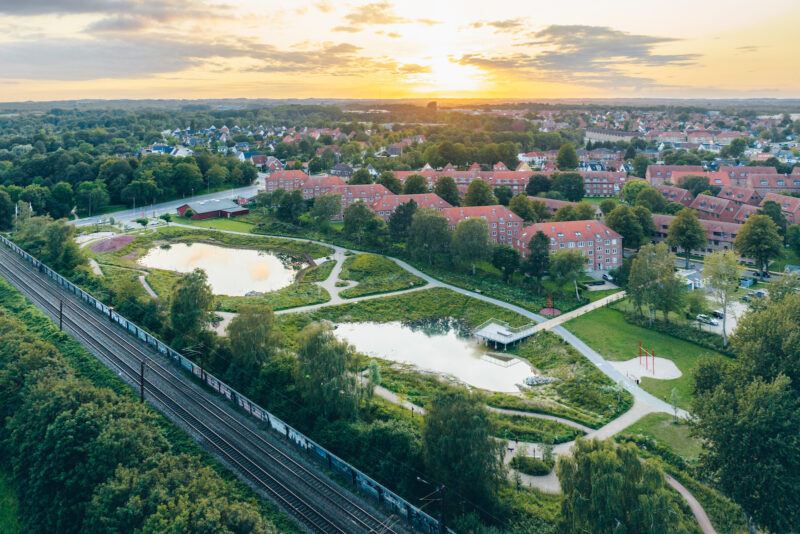
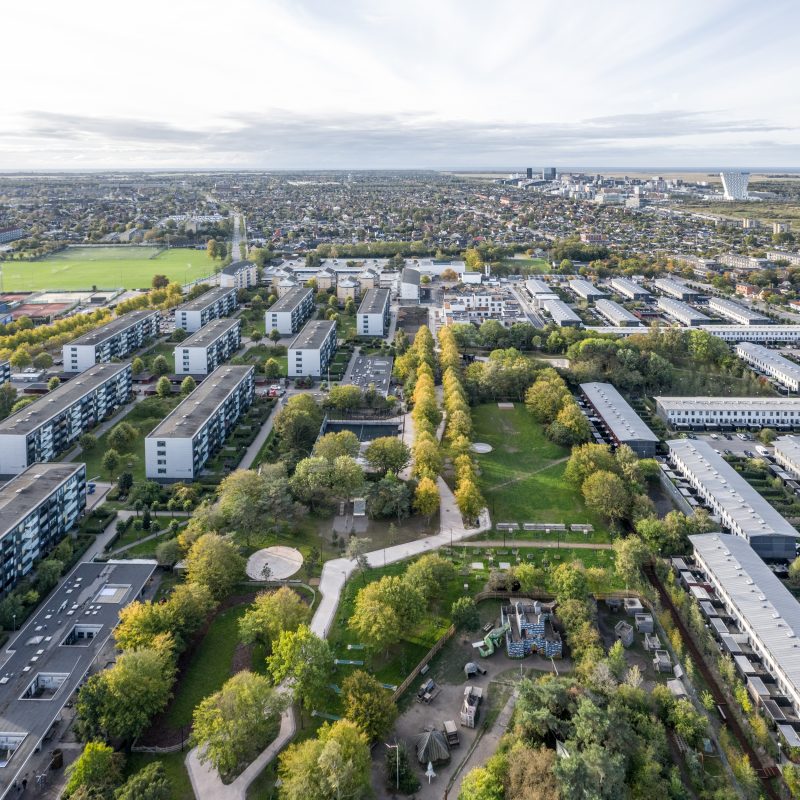
Urban planning and development
+8
Solution
Climate change adaptation
+5