Skip to content

News

Wind farm planning and development

Biodiversity

Offshore wind

+1

Denmark launches new market-adapted offshore wind tender for 2026

Denmark launches a revised offshore wind tender covering 2.8 GW, combining investor certainty with new sustainability and biodiversity requirements.
image
21 November 2025

Denmark has launched a new offshore wind tender covering three areas with the potential to deliver at least 2.8 GW of renewable energy – enough to power around three million households across Denmark and Europe. The tender is a concrete step in realising Denmark’s ambitious climate goals, while also responding to challenging market conditions by offering more investor certainty and encouraging sustainable innovation.

Wind energy in Denmark

Wind energy is at the heart of Denmark’s climate ambitions and plays a crucial role in the country’s goal to reduce greenhouse gas emissions by 70 percent by 2030. With some of the best wind conditions in the world, Denmark has become a global hub for wind power technology.

Explore cases and connect with partners from across the wind value chain.

Discover the focus area

A strengthened tender in response to market conditions

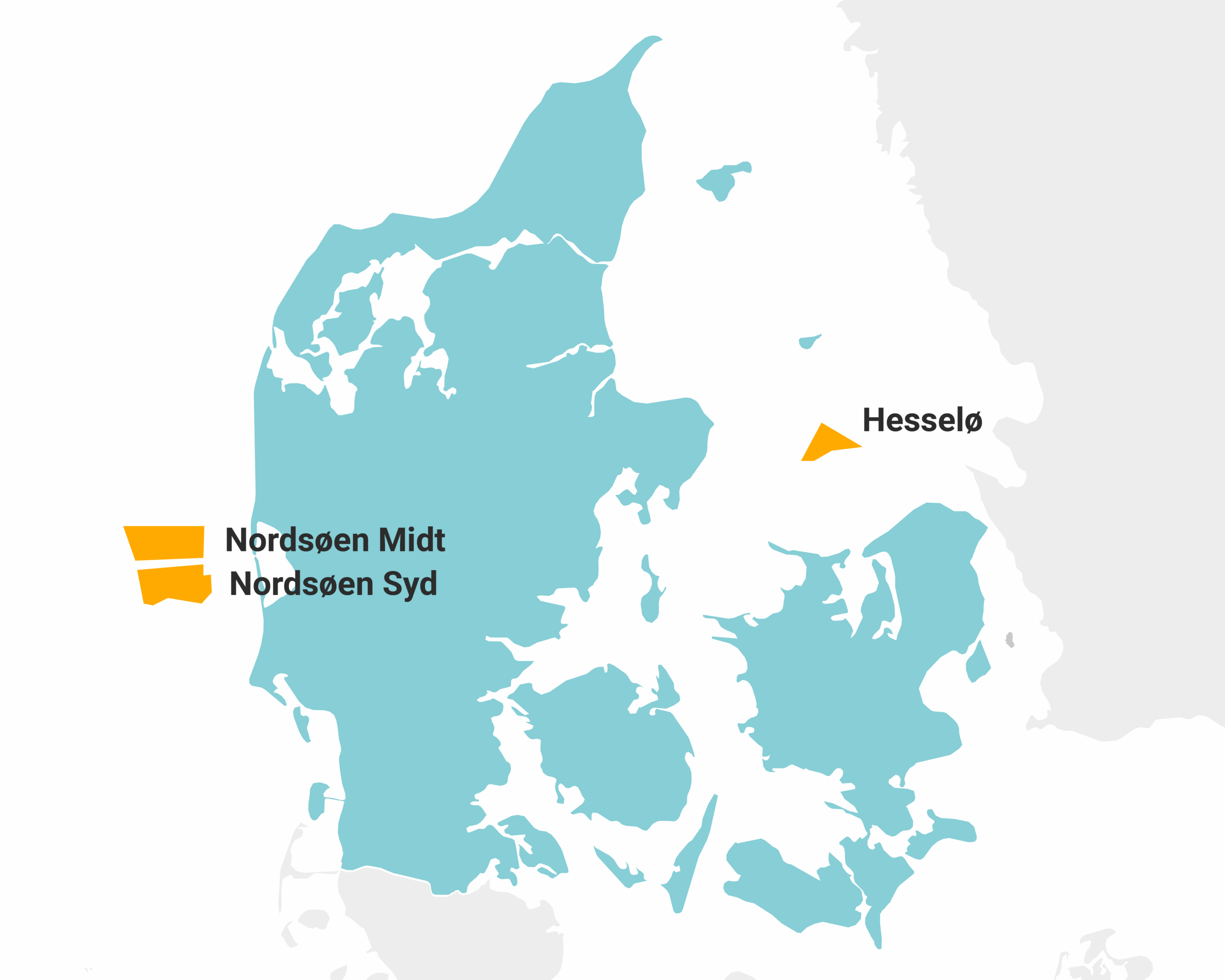
The Danish Energy Agency’s newly published offshore wind tender marks an important step in Denmark’s continued journey towards a fossil-free future. The three designated sites – “North Sea I”, “Hesselø” in the Kattegat, and “North Sea II” – are expected to be completed between 2032 and 2034.

The tender has been shaped by extensive market dialogue and includes a number of adjustments designed to improve investor confidence. Most notably, it introduces a two-sided, capability-based Contract for Difference (CfD) model. This means developers are guaranteed a fixed electricity price, helping to de-risk projects in times of fluctuating power prices.

In total, a support cap of DKK 55.2 billion (incl. VAT) has been set. The aim is to ensure competitive bids and greater certainty in a market currently experiencing inflationary pressures, increased financing costs, and global supply chain challenges.
Wind tender in Denmark

The tender includes three designated sites for offshore wind in Denmark – “North Sea I”, “Hesselø” in the Kattegat, and “North Sea II”. They are expected to be completed between 2032 and 2034.

Illustration: The Danish Energy Agency

Wind tender Denmark 2026 - Illustration Danish Energy Agency

Offshore wind and nature must go hand in hand

Beyond accelerating the build-out of renewable energy, the tender also introduces new requirements focused on sustainability, social responsibility, and biodiversity.

One of the awarded projects – Hesselø – will be required to incorporate nature-inclusive design as part of its offshore wind farm development. This means integrating features that actively support marine biodiversity, such as artificial reefs or seabed-friendly foundations. Additionally, the tender demands recyclable turbine blades and includes measures to prevent social dumping in the construction and operation phases.

These elements underline Denmark’s commitment to ensuring that the expansion of offshore wind takes place in harmony with nature, supporting both climate and ecological objectives.

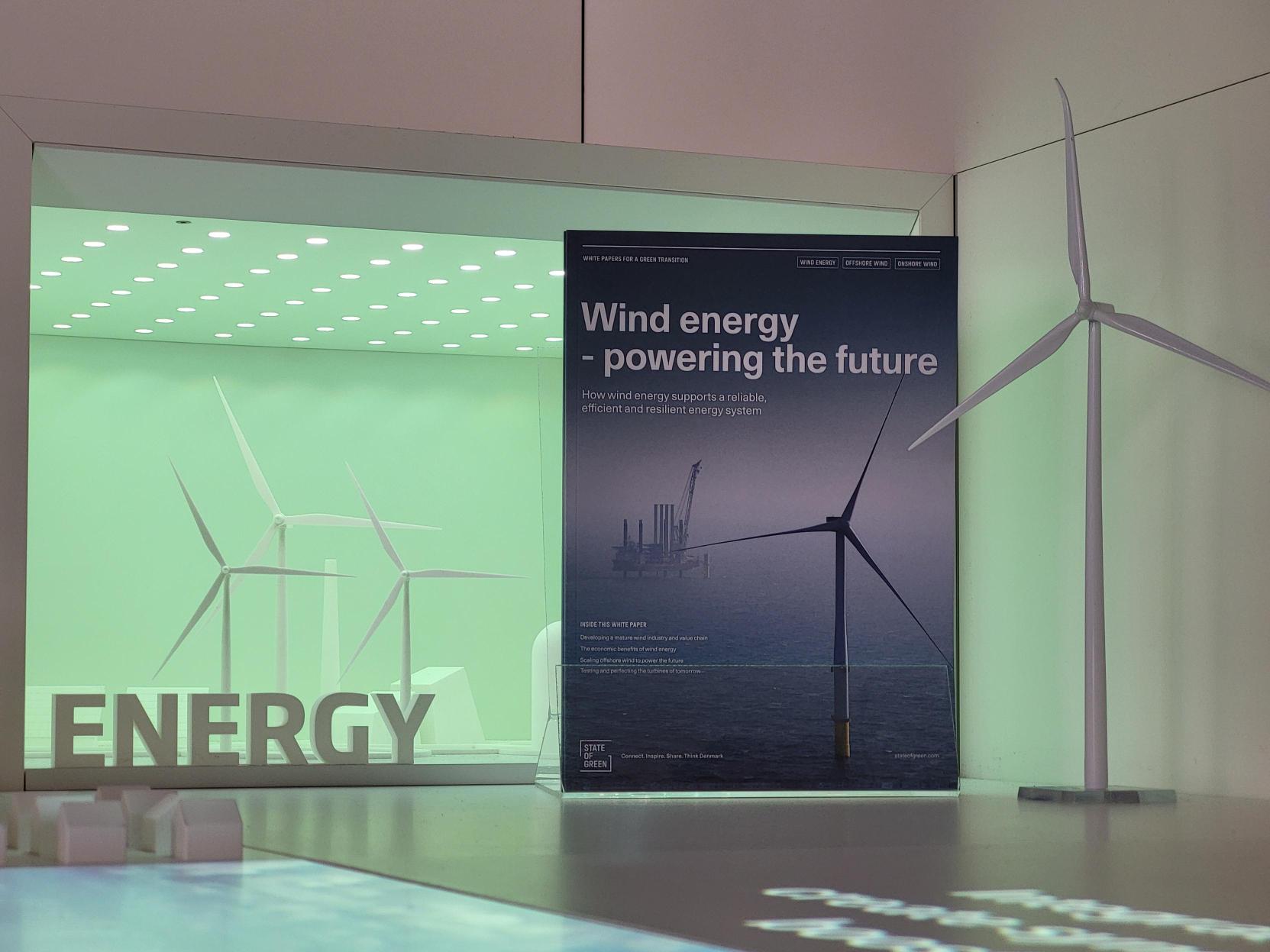
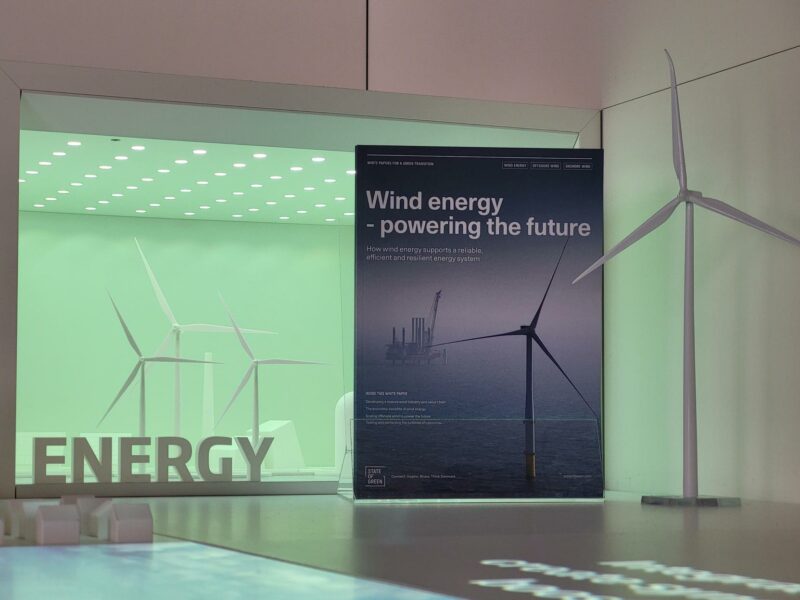
Publication: Wind energy – powering the future

Discover our white paper on wind energy, and learn about how wind energy supports a reliable, efficient and resilient energy system.

Discover the publication

A new phase of Denmark’s offshore ambitions

This latest tender follows a 2024 offshore wind round, in which six areas were initially offered. However, several sites received no bids, prompting the government and the Danish Energy Agency to re-engage with industry stakeholders and revise the framework. The current tender reflects those learnings and two political agreements reached earlier in 2025.

The deadline for bids for “North Sea I” and “Hesselø” is set for spring 2026, while “North Sea II” will follow in autumn 2028.

With the introduction of this new tender model, Denmark continues to demonstrate how ambitious climate leadership can evolve in step with market realities – creating the conditions for both public benefit and private investment.

You should consider reading

Biodiversity
Offshore wind
Wind energy
Wind farm planning and development