News
Climate change adaptation
Resource efficient production
5 ways to reduce agriculture’s carbon footprint

According to the report, which was developed on behalf of the Danish Ministry of Food and Environment, agriculture is responsible for approximately 20 per cent of the total amount of greenhouse gas emissions in Denmark. However, following extensive investigation, researchers have pinpointed several cost-effective measures that can be implemented to help reduce agricultural greenhouse gas emissions.
The Danish report “Measures for reducing climate gases in agriculture”, presents the following five initiatives:
- Changed feeding of cattle and rearing with concentrates, fat and highly digestible fodder.
- Biogas, with and without frequent transfer of slurry from the house to the manure store or with cooling of manure in the house.
- Acidification of slurry in the livestock house.
- Addition of nitrification inhibitors to fertilisers and manure.
- Set-a-side of organic soils with and without termination of subsurface drains.
-Related news: Producing more with less: The Danish agriculture and food cluster’s recipe for accelerating progress on the UN SDGs
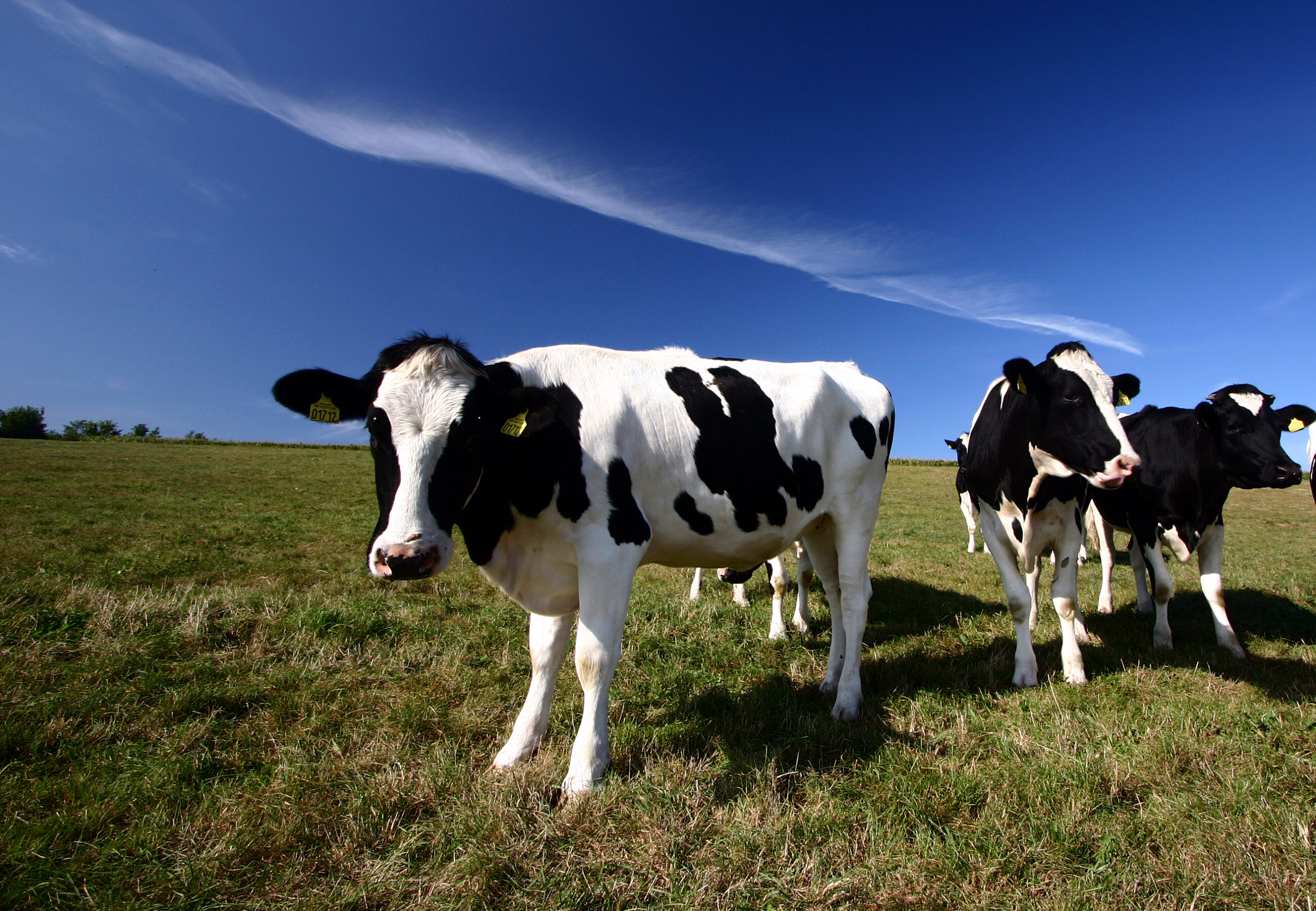
According to the researchers, cows should be feed with corn and fats such as rapeseed oil instead of grass. Changing cows’ eating habits would reduce the production of methane in cows, which are one of the biggest sources of agricultural greenhouse gas emissions.
Another key point made in the report is the reuse of animal faeces. They can be converted into CO2 neutral fuel, which could then benefit the transport sector.
-Related news: Reactions from Denmark to the UN’s climate report: disturbing news, but hope is not lost
Denmark’s commitment to reducing CO2 emissions
In an agreement with the European Union, Denmark has committed to reduce overall greenhouse gas emissions by 80 - 95 per cent in 2050. In this context, the agricultural sector has reduced annual emissions by three million tonnes since 1990. Today greenhouse gas emissions amount to approximately 10 million tonnes annually.
The sector still has a long way to go, which is why the government has allocated EUR 12 million over a three-year period to research on how to reduce agriculture’s carbon footprint.
If the Danish agriculture sector implemented the methods mentioned in the report, current CO2 emissions would be reduced to 1.70 – 2.75 million tonnes by 2030. In percentage terms this would amount to 10 - 12 per cent of current emissions by 2030.
You can read the report here.