EU proposes upgrade of the EU's energy infrastructure
Read the full press release on the EU’s new grid package.
Read the full press releaseNews
Grid and infrastructure
Electricity grid
Security of supply
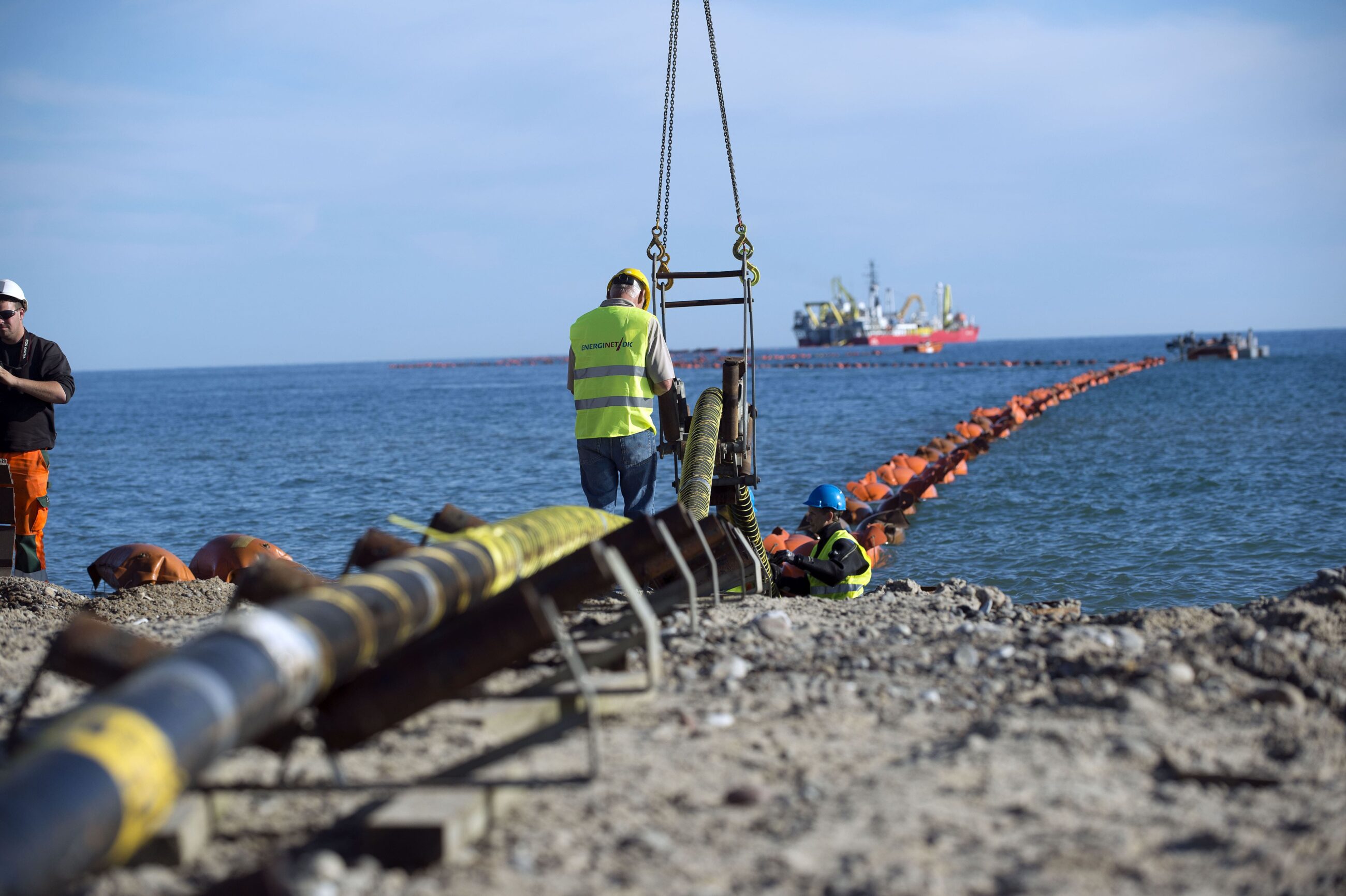
Offshore cables being laid to support the COBRA cable connecting Denmark and The Netherlands. Photo credit: Energinet & Lars Horn / Baghuset
Read the full press release on the EU’s new grid package.
Read the full press releaseThe European Commission has today unveiled a comprehensive plan to upgrade and expand Europe’s electricity infrastructure. The initiative – formally presented as the European Grids Package alongside a new Energy Highways initiative – aims to strengthen cross-border electricity transmission, integrate cheaper clean energy, and enhance Europe’s energy security and independence.
Estimated at €1.2 trillion in total investment through 2040, the Grids Package marks a significant shift toward a European approach to grid planning, fast-tracking permitting, and building the backbone needed for a climate-neutral, interconnected Europe.
At its core, the package addresses two pressing needs: the urgent modernisation of ageing infrastructure and the growing demand for electricity driven by the electrification of transport, heating, and industry.
“A truly interconnected and integrated energy system is the foundation of a strong and independent Europe. To achieve it, we need an energy infrastructure network of cables, pipes and grids that is up to date, fully interconnected, and that enables clean, affordable, homegrown energy to flow freely and securely to every corner of our Union. This is exactly what we are proposing today: a common European energy project that supports affordable living, economic competitiveness, security and decarbonisation.” Dan Jørgensen, Commissioner for Energy and Housing
The Commission’s plan comes at a time when geopolitical uncertainty and fossil fuel price volatility continue to affect energy costs across the EU. In 2024, industrial electricity prices in the EU were more than double those in the US and China. According to the Commission, this disparity stems in part from insufficient grid integration and investment.
By targeting infrastructure gaps and scaling up support for transmission and distribution networks, the Grids Package aims to reduce bottlenecks, integrate more renewables, and make energy prices more affordable and stable across Member States. This is essential to achieving energy independence as the EU phases out imports of Russian oil and gas.
A central component is the development of eight strategic Energy Highways – large-scale interconnection projects selected for their critical role in completing the EU’s internal energy market. These projects will be prioritised at the highest political level and benefit from stronger coordination, targeted investment, and accelerated permitting.
The new strategy also proposes more transparent rules for cost-sharing in cross-border infrastructure projects. Recognising that the benefits of large-scale interconnection often extend beyond national borders, the Commission suggests bundling projects and creating special purpose vehicles to attract private investment and spread costs more fairly across regions.
In parallel, the Commission is proposing a five-fold increase in the Connecting Europe Facility (CEF) Energy budget – from €5.8 billion to nearly €30 billion – as part of the upcoming Multiannual Financial Framework. Public funds are expected to be complemented by private capital, supported by the forthcoming Clean Energy Investment Strategy.
Among the highlighted initiatives, the Commission explicitly supports the development of several Energy Highways across Europe. One of these being the Bornholm Energy Island project, located off the coast of Denmark, which has potential to become a central hub for offshore wind generation and cross-border electricity transmission.
The project is led by the Danish TSO Energinet, and is designed to harness the potential of offshore wind energy in the Baltic Sea, providing renewable power to Denmark, Germany, and the broader European market. NKT is set to supply the necessary cable infrastructure and will be responsible for the production and installation of the high-voltage direct current (HVDC) cables that will connect the Energy Island to both Denmark’s and Germany’s electrical grids.
The Energy Island represents a new model for cooperative infrastructure in Europe – enabling large-scale renewable integration while enhancing supply resilience and system flexibility.
As one of the most mature and technically advanced projects of its kind, Denmark’s Energy Island aligns closely with the Commission’s vision for an integrated European grid capable of transmitting low-cost, homegrown renewable energy across borders.
Also read: Energy Island Bornholm moves to next phase
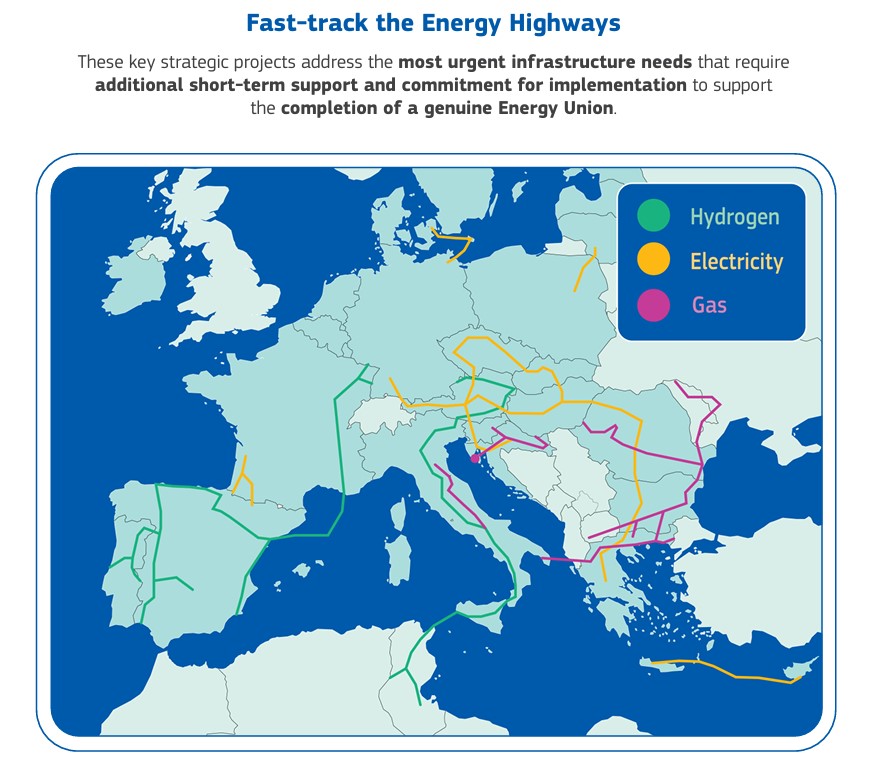
The European Grids Package modernises and expands the backbone of the European energy system: the grid infrastructure. By replacing barriers and bottlenecks with fast-flowing energy highways and cross-border connections, the package aims to lower energy prices and support affordable living for all Europeans.
Photo credit: EU Commission
Discover the fact sheetThe Grids Package and Energy Highways initiative are not only about infrastructure – they are fundamental to achieving Europe’s broader climate and industrial goals. A modern, interconnected grid is essential to scaling up renewable power, electrifying key sectors, and reducing Europe’s reliance on imported fossil fuels.
If implemented swiftly, the package could unlock stalled renewable projects, attract new investment, and ensure that all Europeans benefit from lower electricity prices and greater system stability.
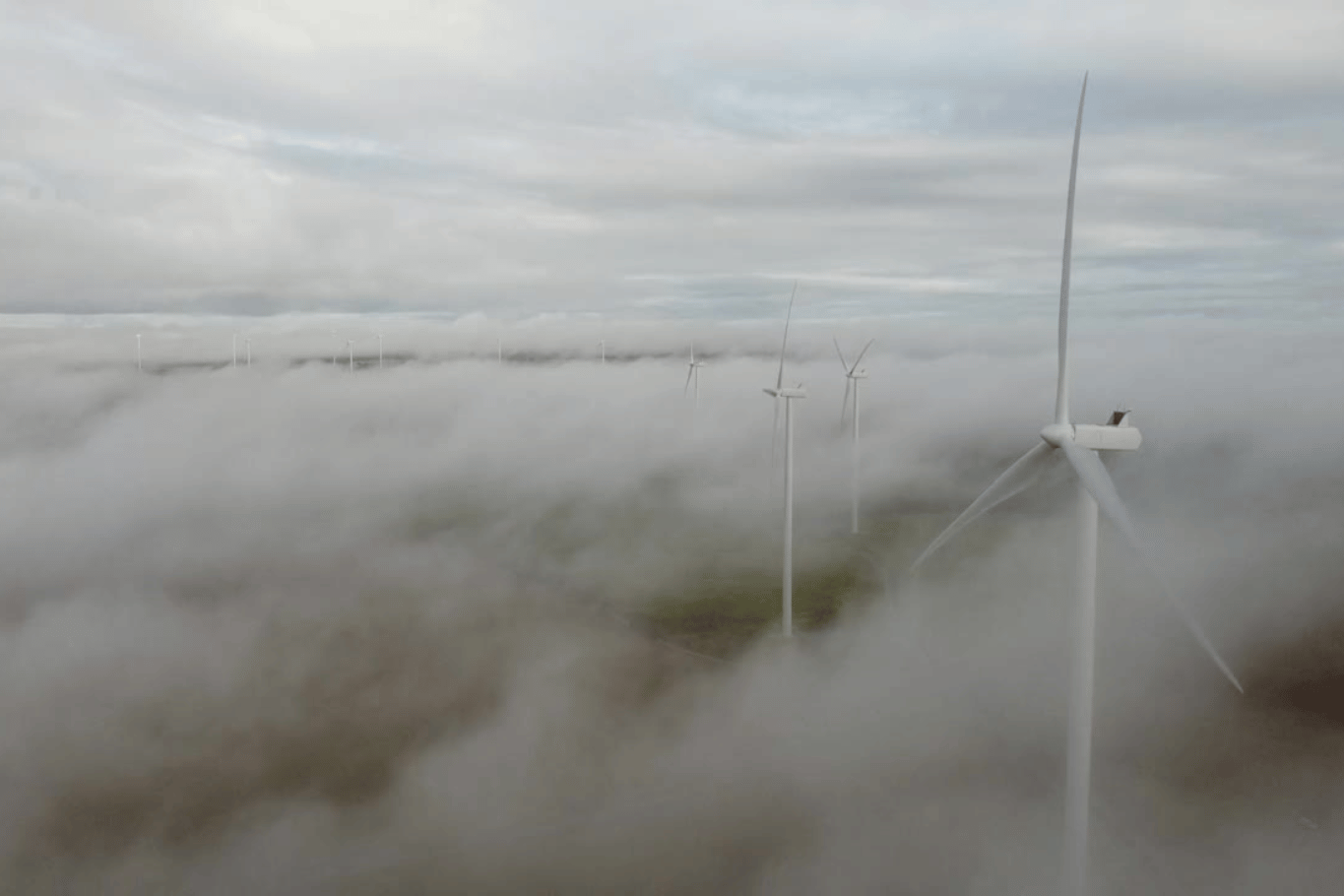
With a strong renewable energy base and a reliable, well-developed energy infrastructure, Denmark is positioned as a hub for solutions and technical expertise. Engage with Danish stakeholders working to strengthen energy and water security and build resilient systems across Europe.
Discover the focus area
Partner news
Electricity grid
+7