Skip to content

News

Security of supply

Grid and infrastructure

Offshore wind

+2

Energy Island Bornholm set to move to next phase

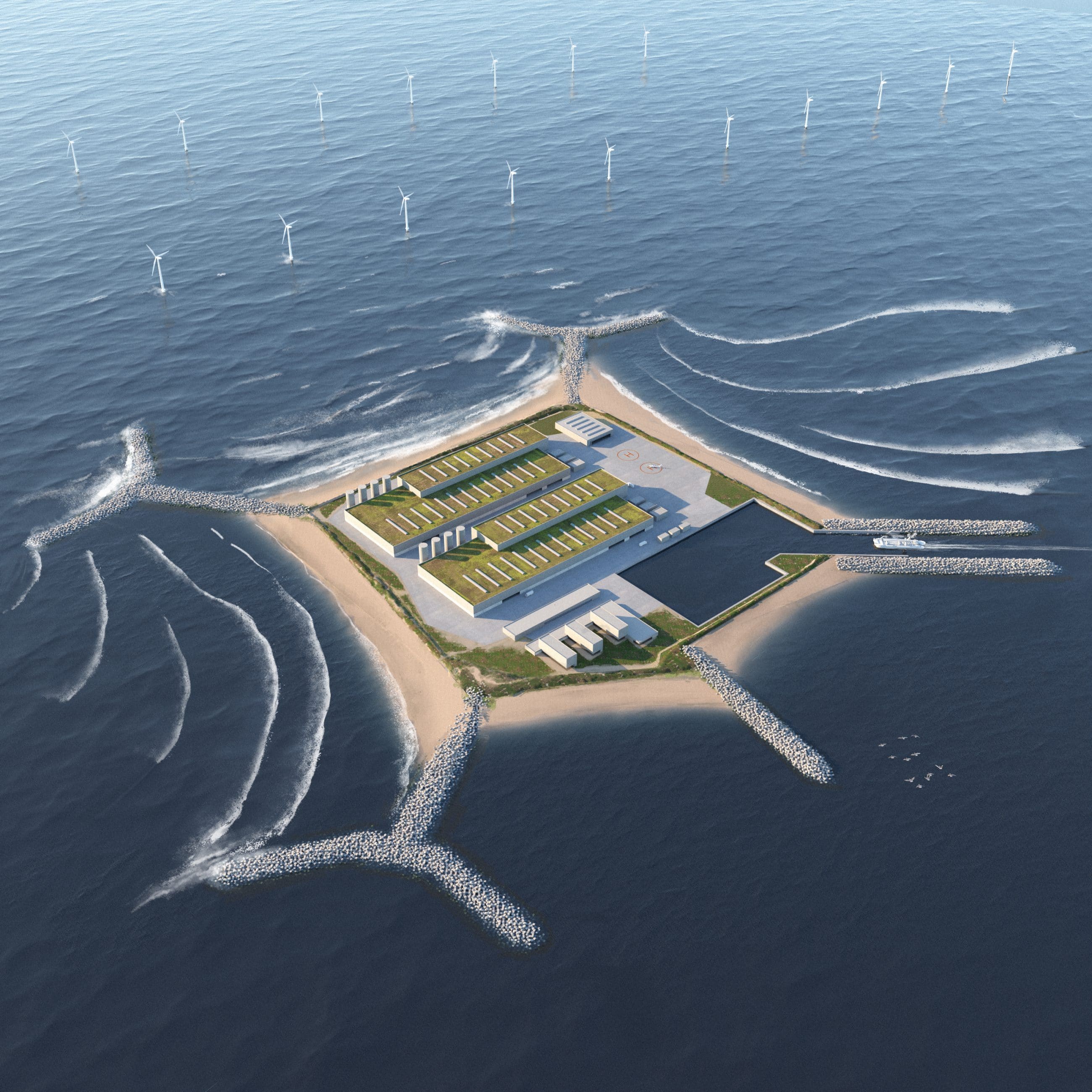
The Energy Island Bornholm project has received official approval and EU funding, allowing it to move forward with its development. The project will harness offshore wind energy to provide renewable power to Denmark, Germany, and the wider European market.

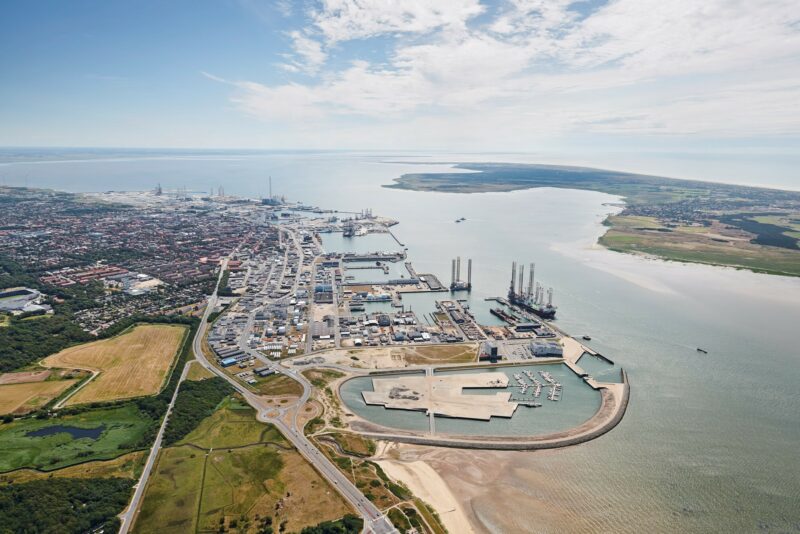
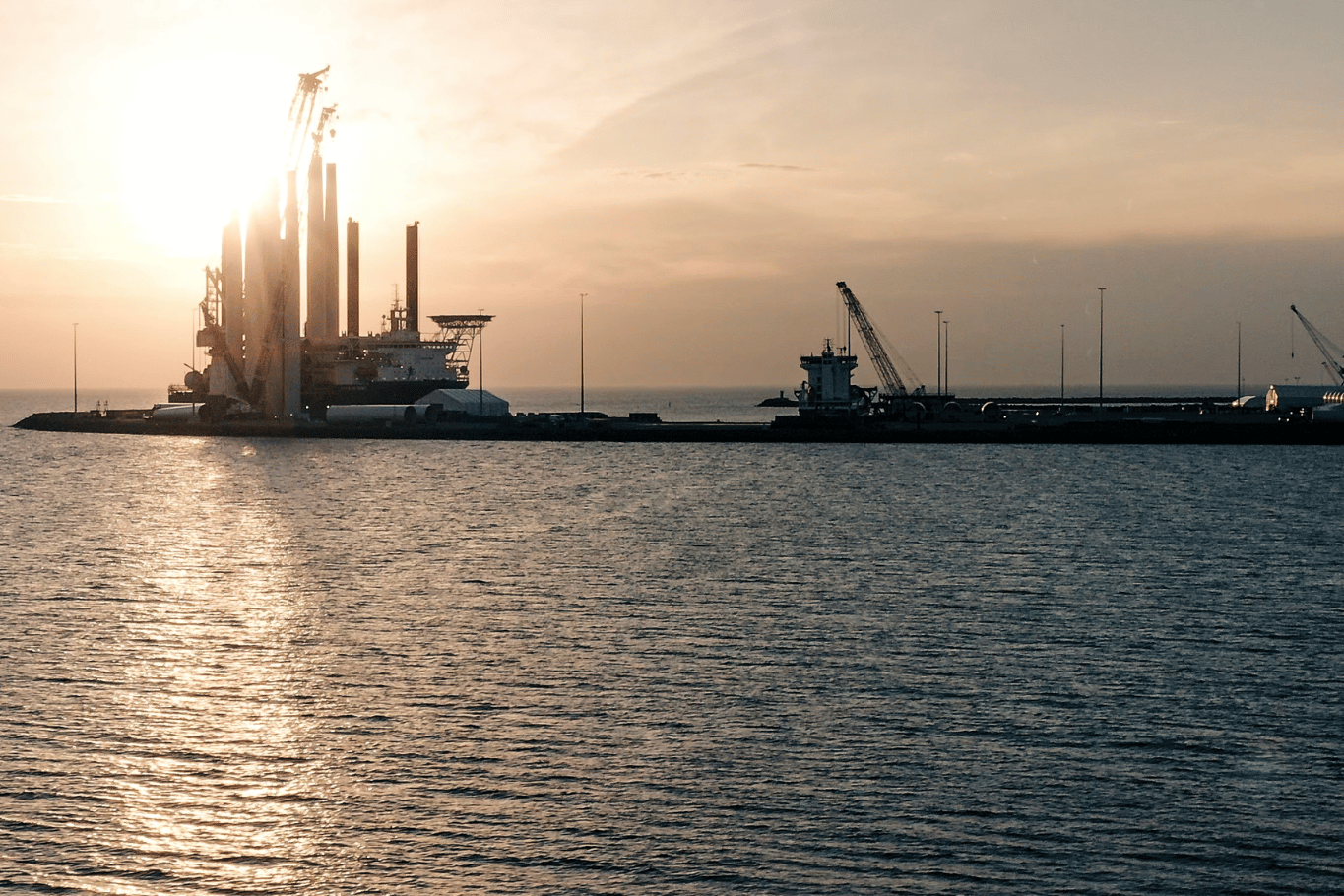
Photo credit: Port of Rønne

image
4 September 2025
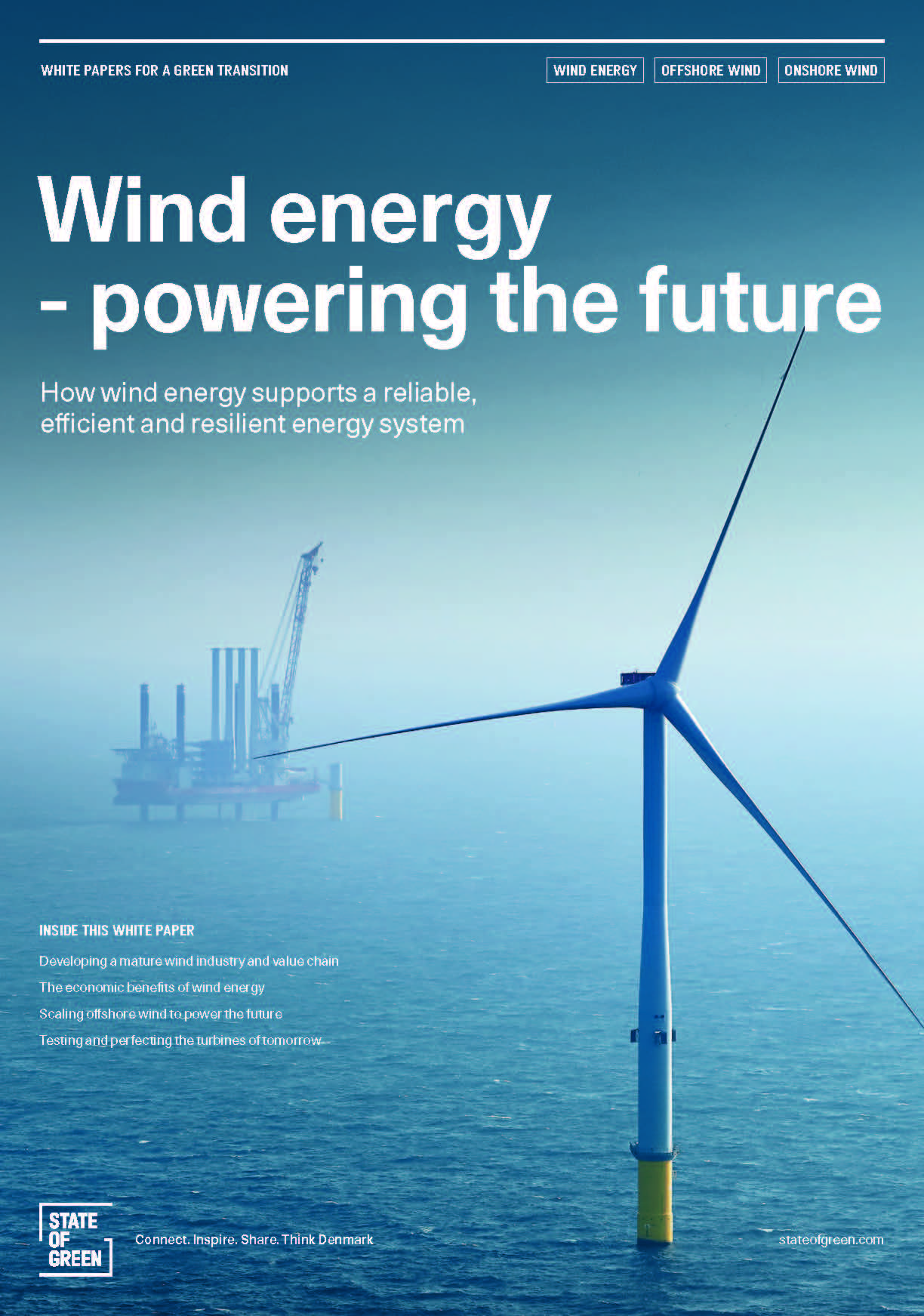
Front page of 'Wind energy - powering the future'

Publication: Wind energy - Powering the future

Denmark is a global leader in wind energy, driving innovation across research, grid integration, and large-scale offshore development. The country combines advanced R&D, efficient grid systems, and circular economy principles to scale up renewable energy production sustainably.

This white paper delves into the technologies, partnerships, and strategies that are shaping Denmark’s wind power future. It highlights how cutting-edge solutions and collaborative efforts are accelerating the transition to a greener, more resilient energy landscape.

Discover the publication

The Energy Island Bornholm project has officially received approval to move forward, marking an important step in its development. Following approval from the Danish government and the confirmation of EU funding, the project is set to begin its next phase. The project, led by the Danish TSO Energinet, is designed to harness the potential of offshore wind energy in the Baltic Sea, providing renewable power to Denmark, Germany, and the broader European market.

This advancement follows the signing of several key agreements, including a contract with NKT to supply the necessary cable infrastructure. NKT will be responsible for the production and installation of the high-voltage direct current (HVDC) cables that will connect the Energy Island to both Denmark’s and Germany’s electrical grids. This infrastructure is central to the project, as it will ensure that the energy generated at the island can be distributed effectively to consumers in both countries.

“We are now taking a significant step towards a future where offshore wind from the Baltic Sea will be able to supply power to millions of consumers. There is a lot of work ahead of us and a huge task in building the groundbreaking infrastructure that will enable Denmark to harvest enormous amounts of locally produced energy – energy that will make both Denmark and Europe greener and more independent of external energy sources,”  Thomas Egebo, CEO of Energinet.

Energy Island Bornholm: A renewable energy hub

The Energy Island Bornholm will be located in the Baltic Sea, south of the island of Bornholm. The project will consist of offshore wind farms capable of generating up to 3.8 GW of electricity. The energy generated will be transmitted to Denmark and Germany via HVDC cables, ensuring the integration of this renewable power into the existing electrical grids of both countries.

The project will involve the construction of converter stations, offshore and onshore cable routes, and other infrastructure. With a total of 200 kilometers of offshore cables and 16.8 kilometers of onshore cables planned, Energy Island Bornholm will become one of the most advanced renewable energy hubs in Europe. The energy generated by the wind farms is expected to power millions of homes, helping both Denmark and Germany meet their renewable energy and climate targets.

The project is part of a broader European strategy to reduce reliance on fossil fuels and increase the share of renewable energy in the energy mix. It also serves as a demonstration of how offshore wind energy can be used at scale, with potential for similar projects in other parts of Europe.

Energy island with minimal environmental impact

Information box: Energy Island Bornholm

  • Location: Energy Island Bornholm will be situated in the Baltic Sea, south of Bornholm, Denmark.
  • Capacity: The project aims to generate up to 3.8 GW of renewable energy from offshore wind farms.
  • Infrastructure: The project will include 200 km of offshore and 16.8 km of onshore high-voltage direct current (HVDC) cables to connect to Denmark and Germany’s grids.
  • EU Support: The project has received EUR 645 million in funding from the EU’s Connecting Europe Facility (CEF) program.
Discover the case

Supporting energy security and infrastructure

The Energy Island Bornholm project is a critical element in the effort to enhance energy security and infrastructure across Europe. As the EU aims to become less dependent on external energy sources, large-scale projects like this one are key to ensuring that there is a reliable and stable supply of renewable energy. The integration of this offshore wind energy into the national grids of Denmark and Germany will help to diversify energy sources and reduce vulnerabilities in the energy system.

The HVDC cables connecting the energy island to both countries’ grids are essential for ensuring that the power produced can be transported efficiently and reliably. The cables will help to balance supply and demand, ensuring that renewable energy from the wind farms is distributed where it is most needed. This interconnection will also enable energy exchange between Denmark and Germany, providing more flexibility and security for both countries’ energy systems.

Energy Island Bornholm is also part of a broader European effort to strengthen cross-border energy networks. The interconnection between Denmark and Germany is a key element in the EU’s strategy to build a more integrated and resilient energy market. By enhancing the ability to transfer renewable energy between countries, the project will help to stabilize the energy system and contribute to Europe’s transition to a low-carbon economy.

Green transition as a catalyst to improve security of supply

Denmark’s advanced and dependable energy infrastructure, along with its significant renewable energy capacity, positions it as a center for effective strategies and technical knowledge. Engage with experts focused on enhancing energy and water security to bolster systems and resilience throughout Europe.

Discover the focus area

EU funding and the road ahead

The Energy Island Bornholm project has received substantial support from the European Union, with EUR 645 million (approximately DKK 4.8 billion) allocated through the Connecting Europe Facility (CEF) program. This funding will support the construction of the necessary infrastructure, including the cables and converter stations, which are critical to the success of the project.

With EU backing, the project is now poised to move ahead with detailed planning, environmental assessments, and further collaboration with stakeholders. Energinet, the Danish transmission system operator, is leading the development, working closely with both Danish and German authorities, as well as international partners. The project is expected to begin its construction phase in the coming years, with the aim of generating electricity by the late 2020s.

The Energy Island Bornholm project is one of several initiatives designed to strengthen Europe’s energy infrastructure and support the transition to renewable energy. While challenges remain in terms of project implementation and coordination between stakeholders, the green light for this initiative underscores Europe’s commitment to securing a sustainable, low-carbon energy future.
You should consider reading

Grid and infrastructure
Offshore wind
Security of supply
Wind energy
Wind farm planning and development