News
Policy frameworks
Climate COP
Green value chains
EU agrees on collective climate reduction target for 2040
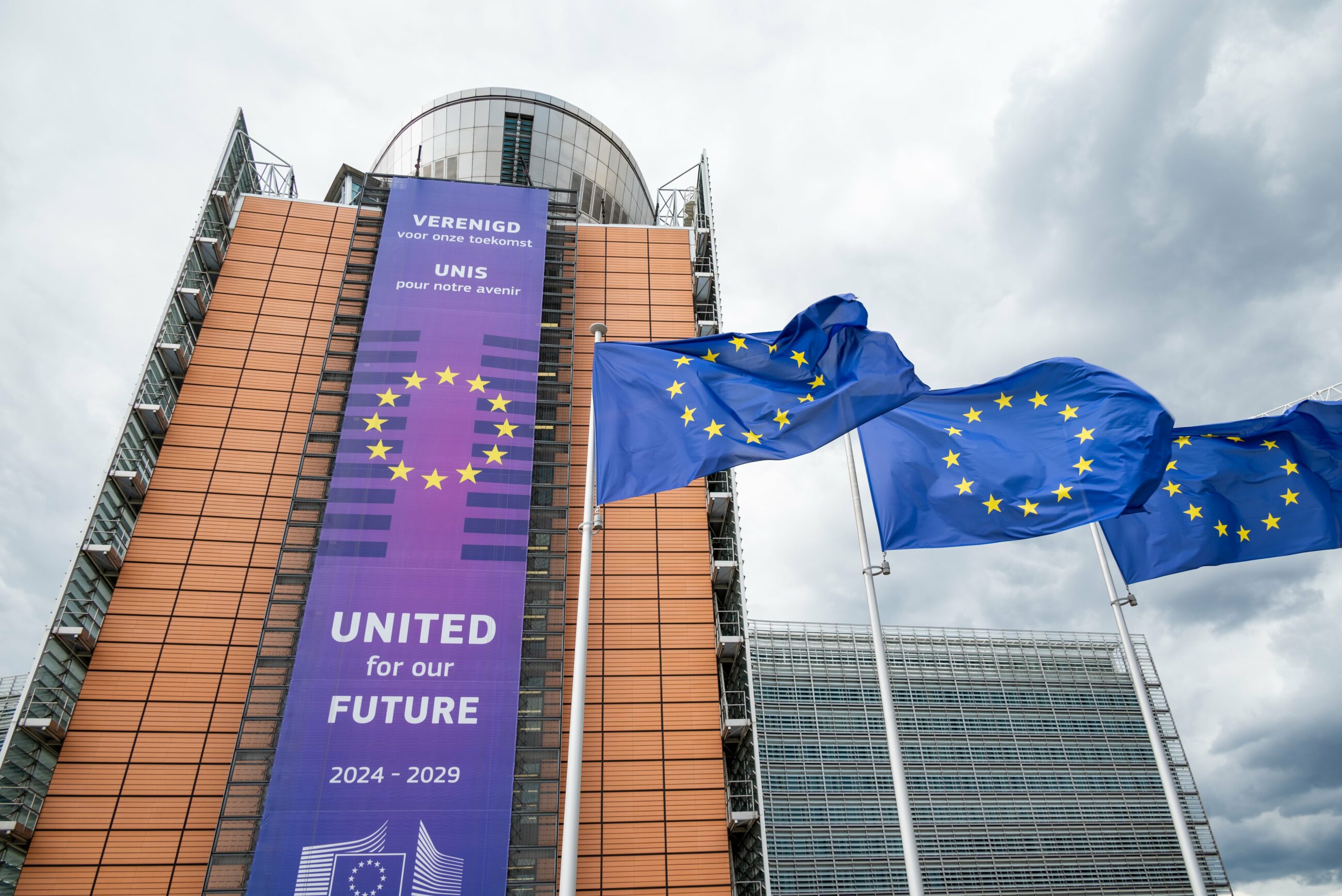
With just days to go before the COP30 climate summit in Belém, EU environment and climate ministers have agreed on a new headline climate target for 2040. The agreement, reached under the Danish Presidency of the Council of the EU, sets a binding target of reducing greenhouse gas emissions by 90% by 2040 compared to 1990 levels – a milestone in European climate policy.
The final deal was adopted in the early hours of 5 November, following several days of intense negotiations in Brussels. Danish Minister for Climate, Energy and Utilities, Lars Aagaard, chaired the talks and played a key role in brokering the compromise.
“We have today adopted a 2040 climate target of 90 percent with broad majority support. The target is in line with science while also balancing our competitiveness and security. It sets the direction for our policies, industries and investments in the years ahead. With this in place, we can build a stronger, more competitive and secure EU.” Lars Aagaard, Denmark’s Minister for Climate, Energy and Utilities.
A clear direction for Europe
The agreement has been welcomed by the Danish business community, which sees the target as a positive step toward long-term predictability and investment certainty.
“It is encouraging that the EU has agreed on a 2040 climate target of 90%. It sends a clear signal to the entire European business sector to invest even more in a green future,” said Anne Højer Simonsen, Head of Climate Policy at Danish Industry.
Danish Industry has also pointed to the agreement’s emphasis on aligning climate ambition with economic competitiveness and energy security – a key concern for companies navigating both transition costs and geopolitical uncertainty.
Target structure: domestic ambition with international flexibility
The adopted 2040 target includes several components:
- A legally binding 90% reduction in greenhouse gas emissions by 2040
- A domestic reduction target of 85%
- Up to 5% achieved through international climate credits, such as reforestation or clean energy projects in developing countries
To ensure flexibility, the agreement also includes a review clause every five years, allowing the target to be reassessed based on scientific, technological, or economic developments.
Additionally, ministers agreed to postpone the launch of ETS 2 – the EU’s carbon market for buildings and road transport – by one year, while committing to adopt a smoother implementation framework before the end of 2025.
“Today’s deal gives business the predictability they desperately need here in Europe. We need climate, competitiveness and independence. All three are crucial – and going forward, we must ensure that one doesn’t come at the expense of the others.” said Wopke Hoekstra, European Commissioner for Climate, Net-Zero and Clean Growth.
Strong signal ahead of COP30
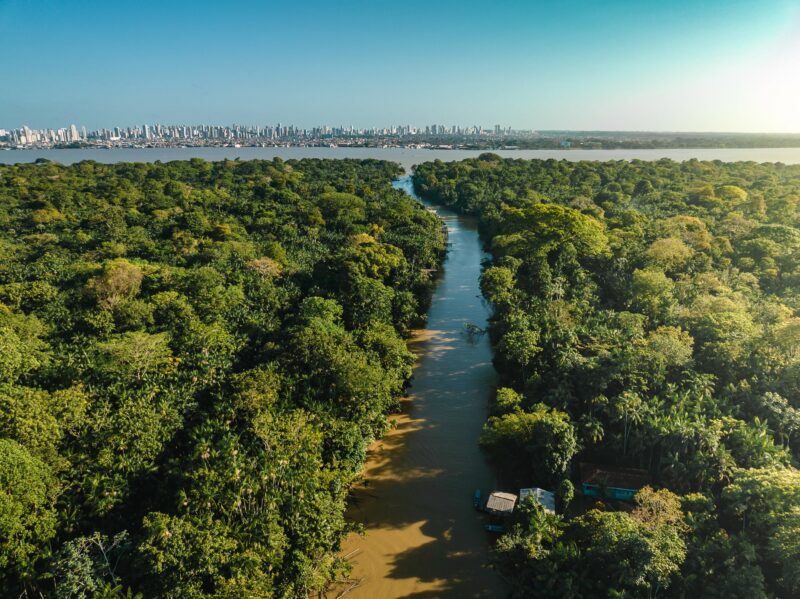
In parallel to the 2040 target, the EU’s climate ministers also adopted a new Nationally Determined Contribution (NDC) under the Paris Agreement – reaffirming the EU’s commitment to international climate goals ahead of COP30 in Brazil.
“With the adoption of the EU’s NDC, we send a strong signal ahead of COP30 that we remain fully committed to the goals of the Paris Agreement,” said Lars Aagaard.
Negotiations now continue with the European Parliament and the Commission to formally enshrine the agreement in the EU Climate Law. With broad support from member states and a clear framework in place, the EU moves toward COP30 with a strengthened mandate – and Denmark at the centre of the process.
Discover related news
You should consider reading
Partner news
Electricity grid
+7