Wind energy - Powering the future
Discover our white paper on wind energy, and learn about how wind is pushing the ambitions for a renewable energy transition.
Discover the publicationNews
Biodiversity
Offshore wind
Wind energy
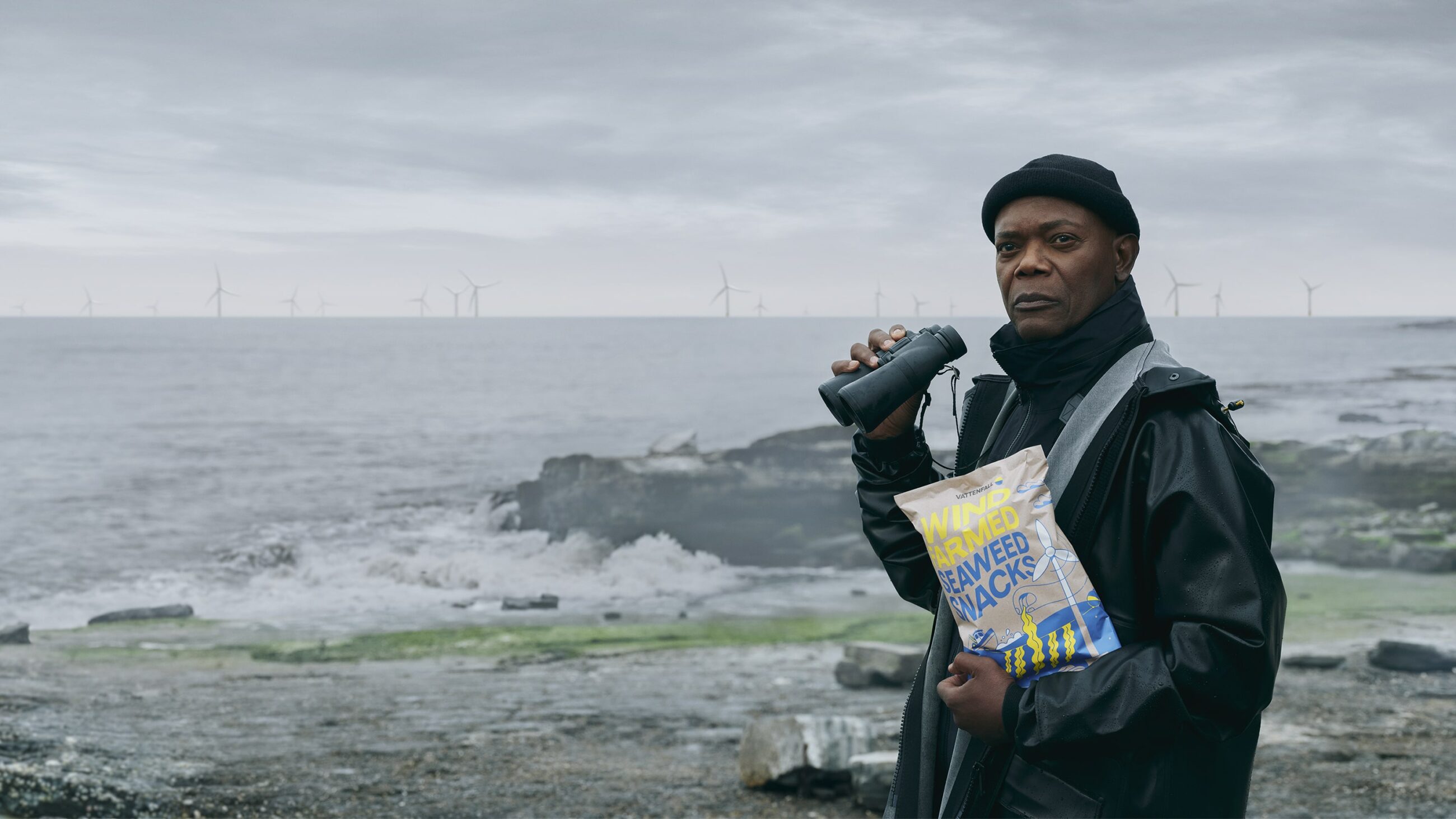
Photo credit: Vattenfall
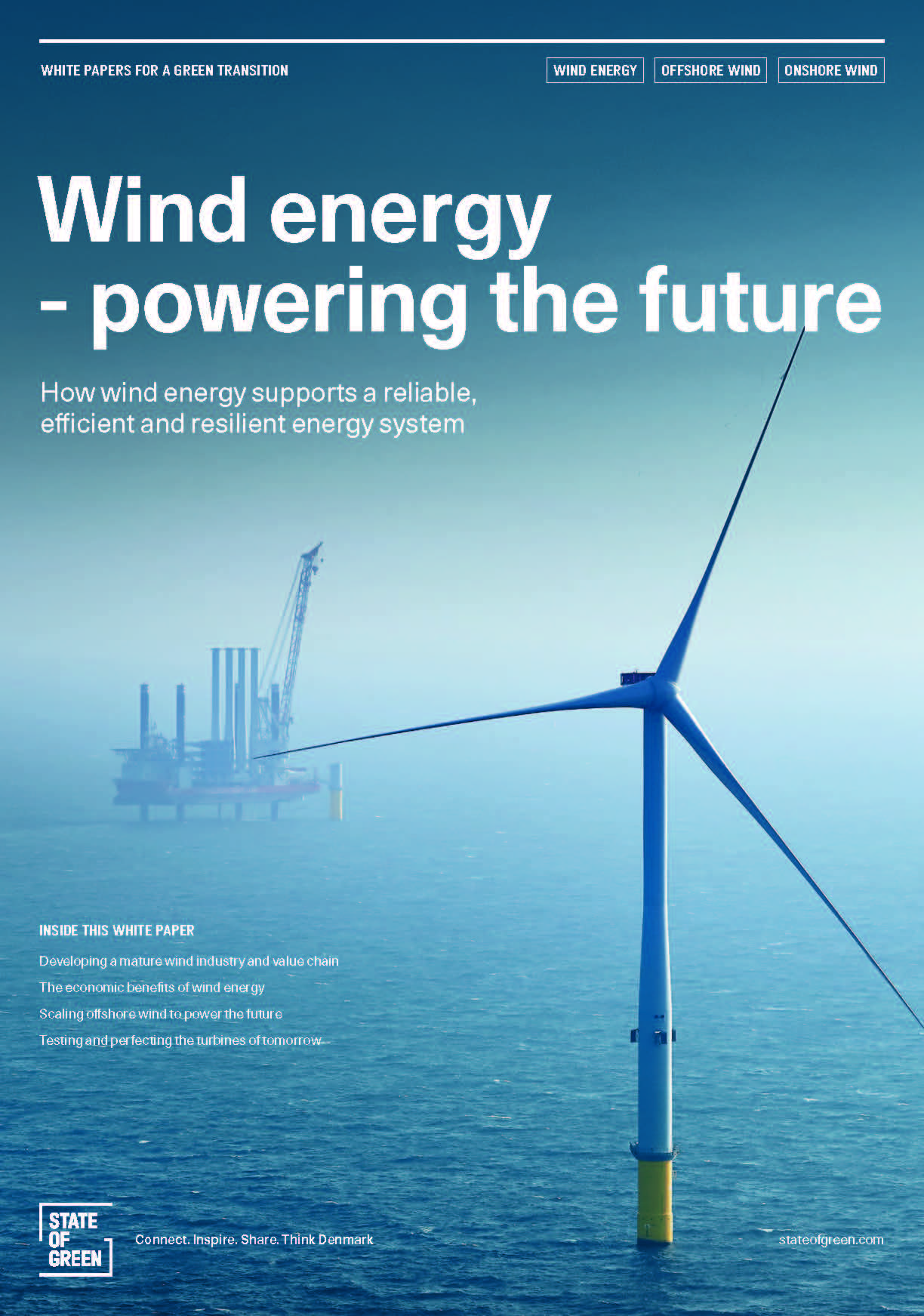
Discover our white paper on wind energy, and learn about how wind is pushing the ambitions for a renewable energy transition.
Discover the publication“Motherf’cking wind farms.”
With Hollywood actor and former marine biology student Samuel L. Jackson as its lead figure and a seaweed-based snack as a symbolic “food for thought,” Vattenfall have launched a new campaign to address public scepticism around offshore wind turbines.
The campaign named “Windfarmed” aims to spark new conversations about the role of offshore wind in both clean energy generation and biodiversity restoration.
These snacks are made with seaweed grown at a Vattenfall offshore wind farm. We call it Wind Farming. Learn more about the collaboration with Samuel L. Jackson at https://group.vattenfall.com/windfarmed
The campaign responds to recurring negative public statements about the visual and environmental impact of offshore wind. By combining scientific insight with an unexpected cultural twist, Vattenfall seeks to show that offshore wind farms can serve multiple purposes: delivering fossil-free electricity while also supporting healthier marine ecosystems.
Jackson’s involvement is more than a celebrity endorsement – he has a background in marine biology and frequently acts as a social justice advocate, bringing personal credibility to the message.
The seaweed snack, grown between wind turbines, is not for commercial sale but serves as a tangible illustration of how renewable energy infrastructure can coexist with ocean life.
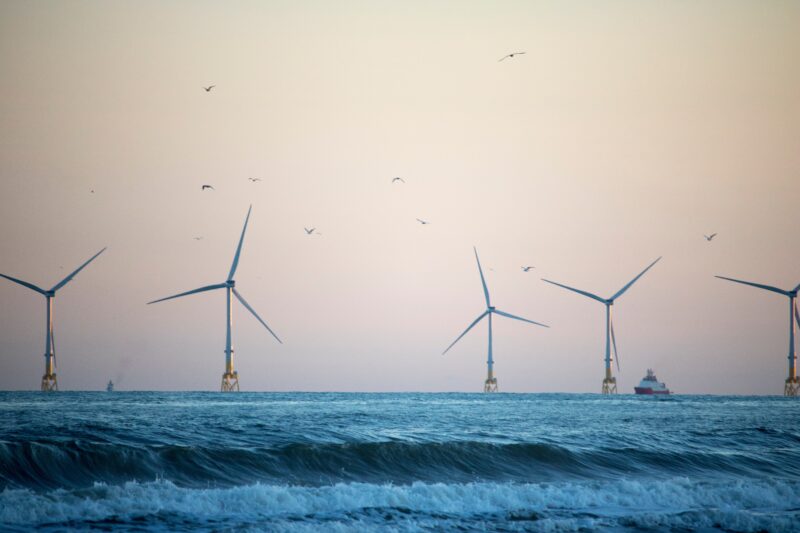
Vattenfall’s Windfarmed campaign highlights how offshore wind farms can contribute to both renewable energy production and marine biodiversity.
As part of the campaign, seaweed grown between wind turbines in the WIN@sea pilot project is used to illustrate the potential for alternative food production alongside clean energy.
The initiative aims to challenge common perceptions of offshore wind by demonstrating its role in supporting healthier marine ecosystems.
Discover WindfarmedThe seaweed used for the “Windfarmed” snack comes from Vattenfall’s WIN@sea pilot project in Denmark. The project explores how the space between offshore wind turbines can be used for seaweed cultivation. By attaching cultivation lines to existing turbine foundations, the project tests a marine multi-use concept that combines energy production with sustainable aquaculture.
The pilot sites, including Kriegers Flak and Vesterhav Syd, serve as living laboratories for understanding the practical and ecological potential of such an approach. In addition to producing renewable energy, the installations generate research data on biodiversity, water quality, and the viability of scaling up marine cultivation alongside offshore wind operations.
Meet the people involved in the project and in making the Wind Farmed Seaweed Snacks. Wind farms produce fossil-free electricity, but the space between the turbines can also form a habitat for sea life to grow. Cultivating seaweed there can help improve the marine environment by absorbing CO2 and excess nutrients. When harvested, it can be used in products like these snacks.
Learn more at vattenfall.com/windfarmed

Offshore wind farms can bring biodiversity benefits by creating structures that function as artificial reefs. Turbine foundations and surrounding areas attract small fish and shellfish, which in turn draw larger species, enriching the local marine ecosystem. Seaweed cultivation within these sites adds further environmental value by absorbing excess CO₂ and nutrients, improving water quality, and offering habitat for marine life.
By using already designated offshore energy areas for food production, projects like WIN@sea reduce the need for additional marine infrastructure, lowering the overall environmental footprint. The shared use of vessels and maintenance resources also enhances operational efficiency and reduces carbon emissions from offshore activities.
The Windfarmed campaign, with its unusual blend of scientific innovation and cultural storytelling, highlights an emerging perspective: that offshore wind farms can be more than power plants – they can be catalysts for marine regeneration and sustainable resource use.