Green hydrogen is Danish hydrogen
Explore how hydrogen can be used to produce green fuels for transport and industry, support the electricity system, and supply heat for district heating – when based on renewable energy.
Discover the publicationNews
Hydrogen infrastructure
Green hydrogen
Grid and infrastructure
+2
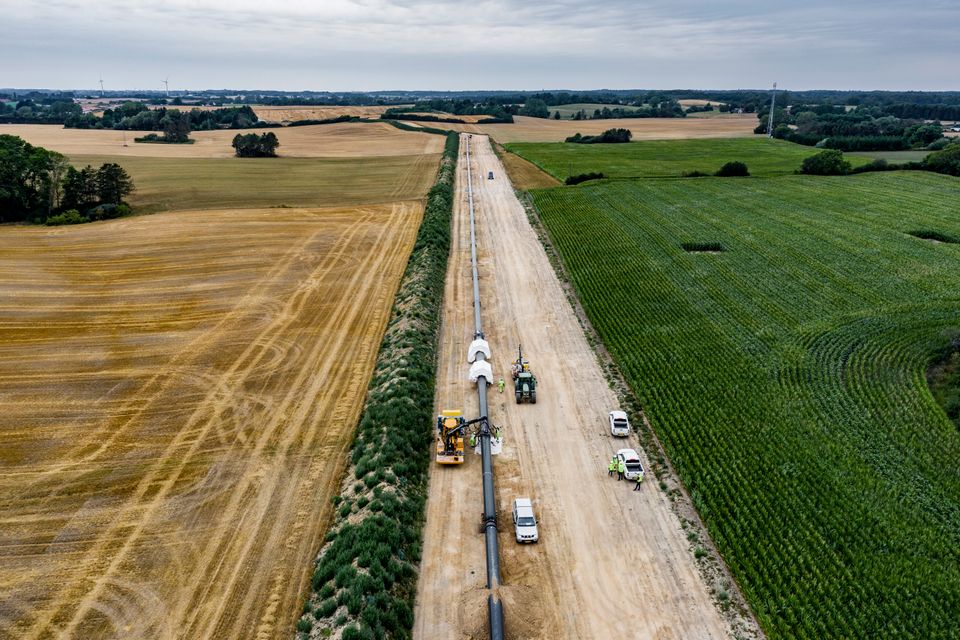
Photo credit: Energinet / Palle Peter Skov
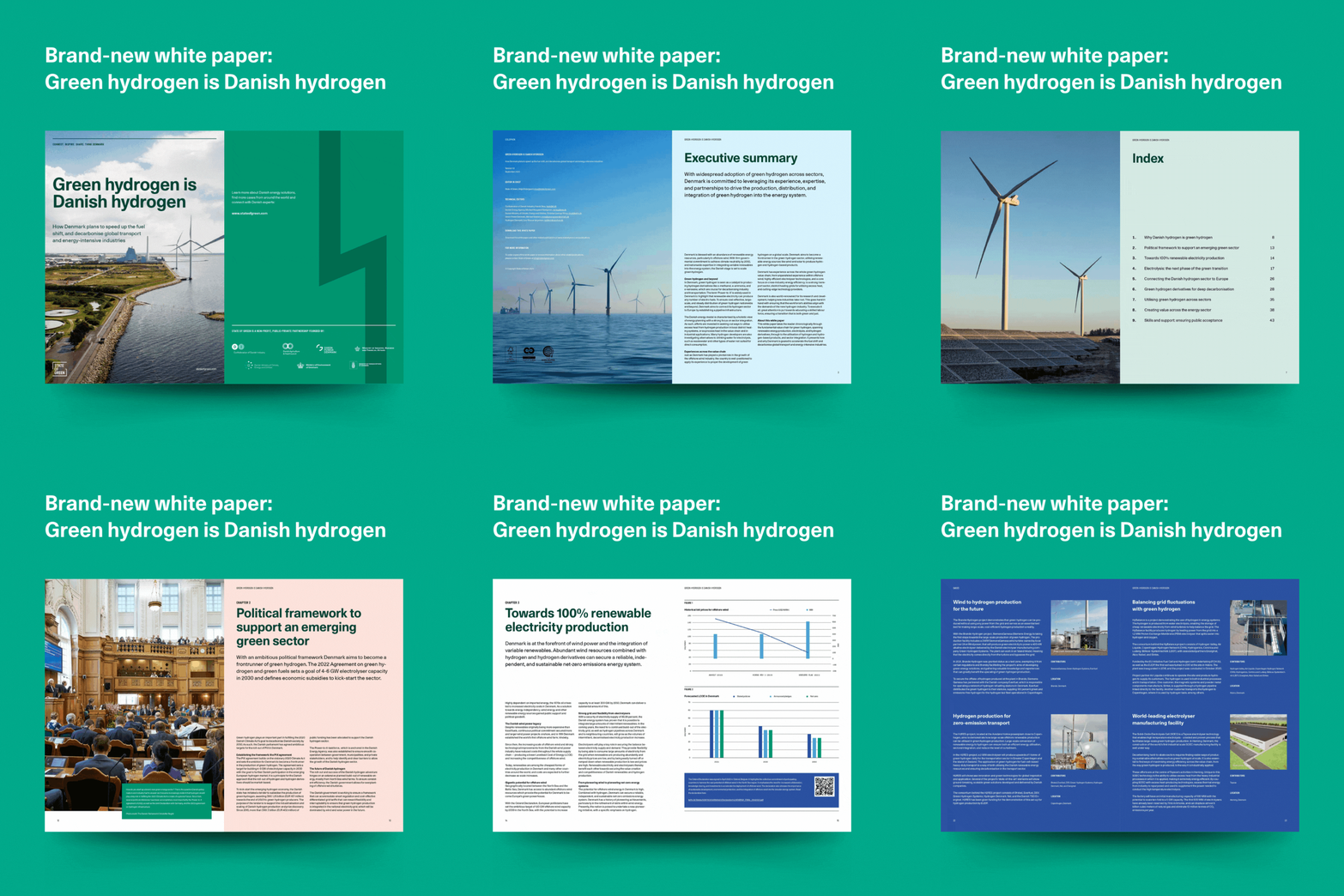
Explore how hydrogen can be used to produce green fuels for transport and industry, support the electricity system, and supply heat for district heating – when based on renewable energy.
Discover the publicationA new step has been taken in the development of Denmark’s hydrogen infrastructure.
The Danish government has approved the transition to the construction phase of the hydrogen pipeline project known as “Syvtallet”. The pipeline will run from Esbjerg via Egtved to Frøslev at the German border and is expected to support the future transport and export of green hydrogen produced in Denmark.
The project is being developed by the Danish transmission system operator Energinet and is part of a broader political agreement from February 2025 aimed at supporting the Danish hydrogen sector. The next step will be the sale of capacity to future users of the pipeline. According to current plans, the pipeline is expected to be ready in 2030.
Also read: Denmark’s first hydrogen infrastructure is underway
The pipeline, which has a planned export capacity of around 3 GW, is designed to connect Danish hydrogen producers with the German market. The overall stretch will be approximately 133 km and consist of both new pipeline segments and converted gas infrastructure.
Financing of the project will be handled through a state-backed loan of up to DKK 7.5 billion, which Energinet will repay via user tariffs. In addition, the Danish state will provide up to DKK 10.6 billion in operational support over 30 years. This is intended to lower transport costs and reduce the minimum booking requirement for the pipeline to be built.
The next key point will be the capacity booking process, which is set to begin in 2026. At that stage, companies must commit to using a minimum of 0.5 GW of capacity for the pipeline to move forward.
Related news: One step closer to a Danish hydrogen backbone
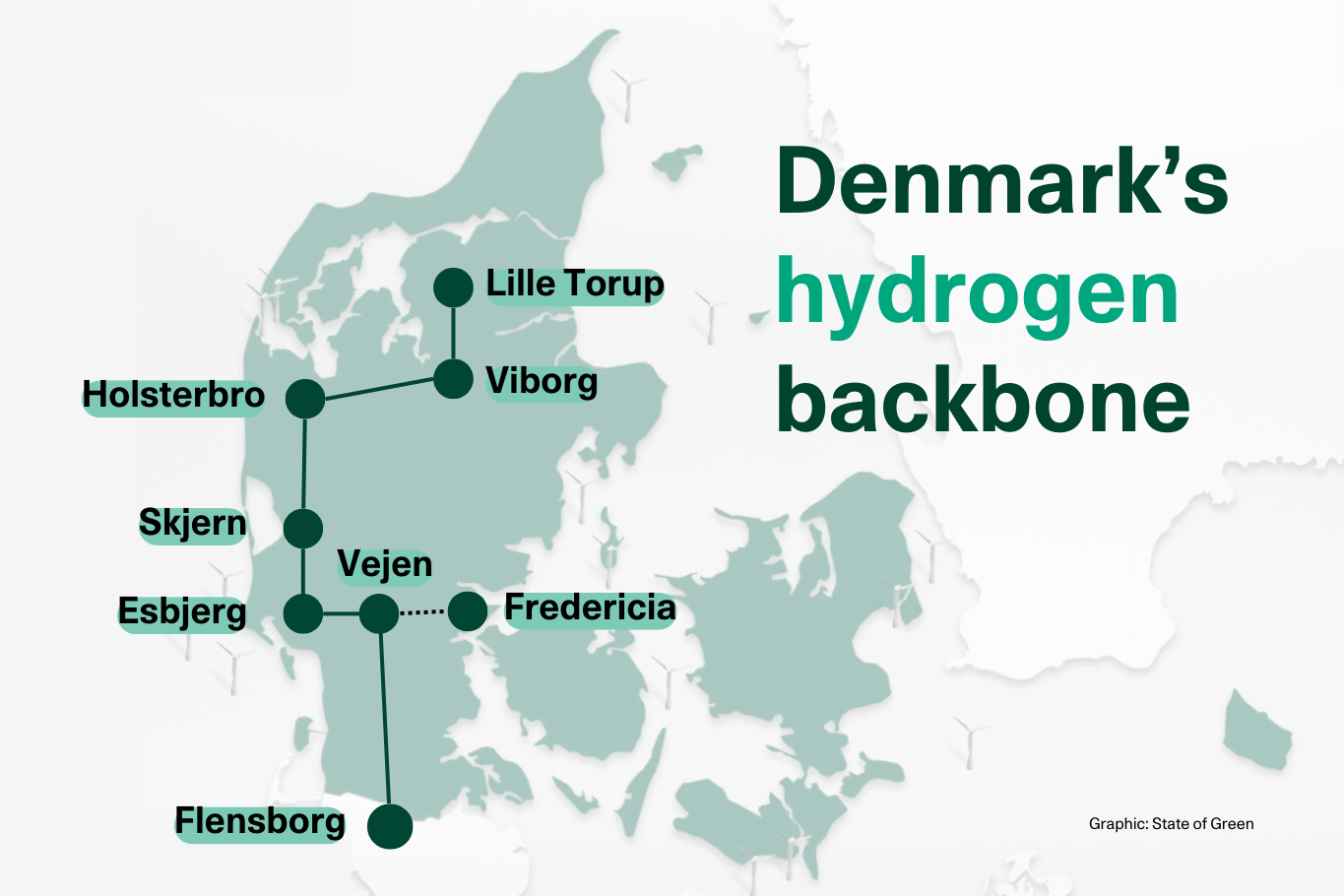
The hydrogen project has been named “Syvtallet” (The Seven) because its route on the map resembles the number seven. From the south, the German operator Gasunie will build towards the Danish border, enabling a connection between the two systems and allowing Danish producers to export hydrogen to, for example, the German heavy industry.
Read more about the projectThe development of infrastructure for hydrogen transport is seen as a prerequisite for establishing a functioning hydrogen market and for enabling exports to neighbouring countries. Hydrogen can play a role in decarbonising industrial sectors and heavy transport, where direct electrification is not always feasible.
Germany has announced that it will establish a corresponding pipeline on its side of the border, and a bilateral agreement between Energinet and its German counterpart Gasunie is expected as part of the coordinated effort. The goal is for both sides of the cross-border pipeline to be completed by 2030.
Also read: New cross-border partnership to provide Danish hydrogen to Germany
Denmark has set a national target of 4–6 GW of electrolysis capacity by 2030 as part of its Power-to-X strategy. With access to offshore wind in the North Sea and strong integration between the electricity and gas sectors, Denmark aims to support the production of green hydrogen for domestic use and export.
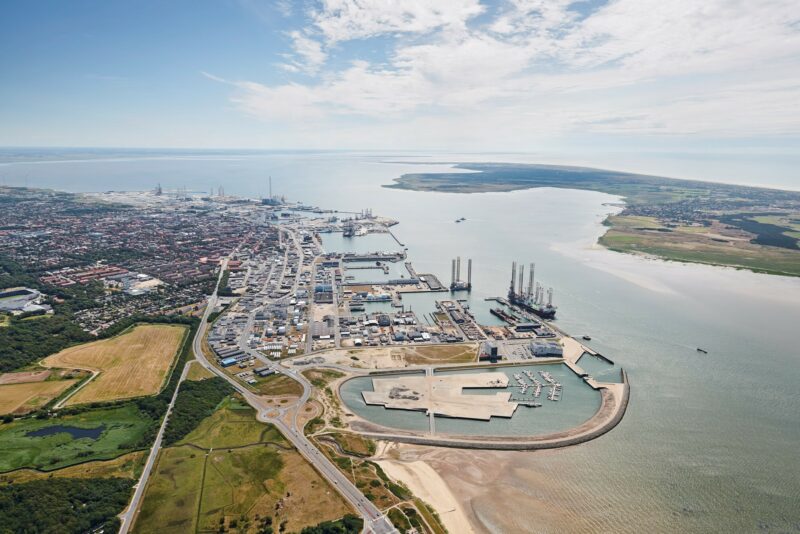
Several large-scale hydrogen and Power-to-X projects are under development, particularly in western Denmark, close to renewable energy resources and potential industrial offtakers. The pipeline infrastructure is expected to support the scaling of such projects and enable direct access to foreign markets.
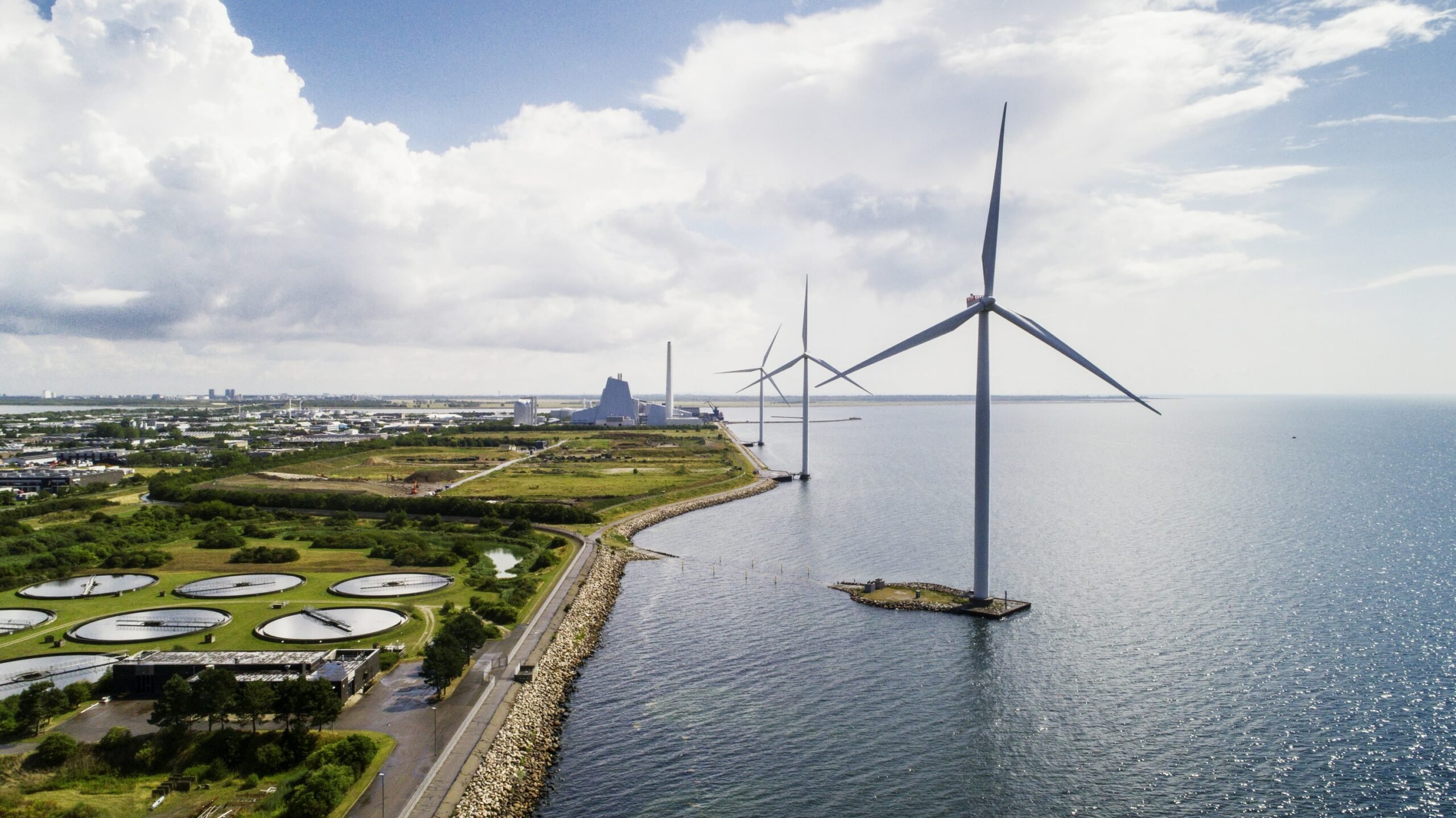
Green hydrogen and e-fuels are expected to contribute to the decarbonisation of sectors where direct electrification is challenging. Produced via electrolysis powered by renewable energy, they form part of the broader shift towards a low-emission energy system.
Get inspired by hydrogen projects and connect with solutions providers excelling in green hydrogen and e-fuels.
Discover green hydrogen