News
Resource efficient production
Waste management
Food Waste in Denmark Down by 25 per cent
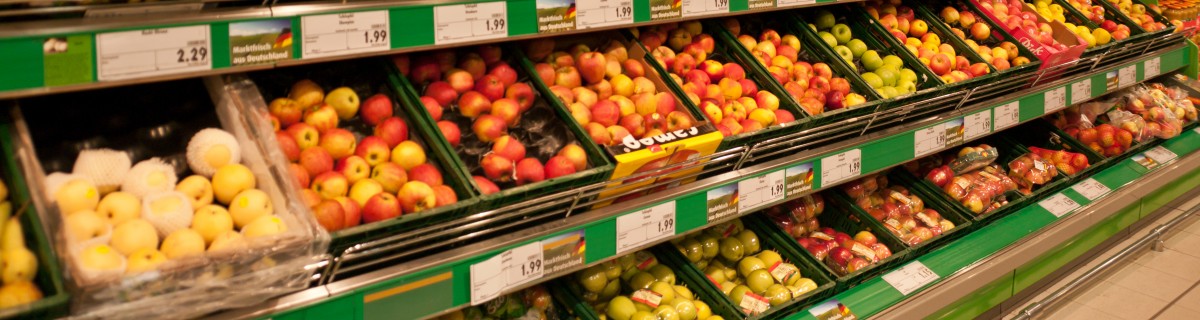
Today, far too many valuable recourses end in waste incineration plants or landfills around the world. This calls for a transformation of the way waste is managed. In Denmark this transformation has already begun, aiming to build a society in which the 700,000 tonnes of food currently wasted each year in Denmark is not just thrown away.
The recent result from Danish Trade Magazine (Dansk Handelsblad) and Danish Agriculture & Food Council makes Denmark the leader for waste reduction in the EU, followed by the United Kingdom at 21 per cent, and are a tribute to the efforts of organisations like Stop Wasting Food (Stop Spild Af Mad), a Danish NGO that has been leading a “fight against food waste in Denmark”.
- This is a fantastic result of our work. However, we have not reached our goal yet – but we are on the right track, said NGO founder Selina Juul.
Waste – a valuable resource
Denmark calls for a global transformation of the mindset of waste management, where focus is placed on resources rather than waste.
In the future, Denmark will not just be separating waste already separated today, such as paper, cardboard and glass; focus will also be on other household waste, including food waste. The Danish Government has set a goal that 50 per cent of Danish household waste is recycled by 2022.
-Related news: Waste & Resource Tours Launched by Danish Minister of the Environment
By reusing or recycling waste, the resource efficiency is increased, thereby saving the environment from pollution and harmful emissions. This is also the case for food waste where an estimated 14 per cent of the world's CO2 emissions are caused by food waste.
New store will sell food waste
A new initiative contributing to reducing food waste is the store WeFood, which is planned to open at the end of 2015. WeFood will be a store located in Copenhagen and be realised by help from the citizens having the possibility to buy shares in WeFood. Also, the store will be run by volunteers and will sell food at prices that 50-70 per cent less that of traditional supermarkets.
WeFood will sell food that cannot be sold due to wrong labelling, damaged packaging or a supposedly critical expiration date. The food will be delivered from Dansk Supermarked, Fødevarebanken and many other suppliers.
Danchurchaid is behind WeFood, meaning that all profit will go to humanitarian work by Danchurchaid.
-Related news: Denmark turns Food Waste into Natural Gas
Fødevarebanken – literally the food bank – is another initiative equally dedicated to minimise the waste of food by collaborating with the industry and receiving food that otherwise would be wasted. They try to fill the gap between the huge waste of food in some sectors and the need for food for socially marginalised people.
Denmark leading food waste initiatives
According to Danish Trade Magazine, Denmark is the European country with most initiatives against food waste.
Some of the initiatives include:
- All Danish supermarket chains having a food waste reduction strategy
- Over 300 restaurants in Denmark offering doggy bags as members of the REFOOD label against food waste
- Hospitals, catering services and festivals working hard to reduce food waste
- Government putting food waste firmly on the political agenda
- Establishing the world’s first international think-tank against food waste
Source: Online Post / Roskilde Festival
You should consider reading
Solution
Circular business models
+15
ExoMare
5 January 2026

Solution
Bio-based circular solutions
+13