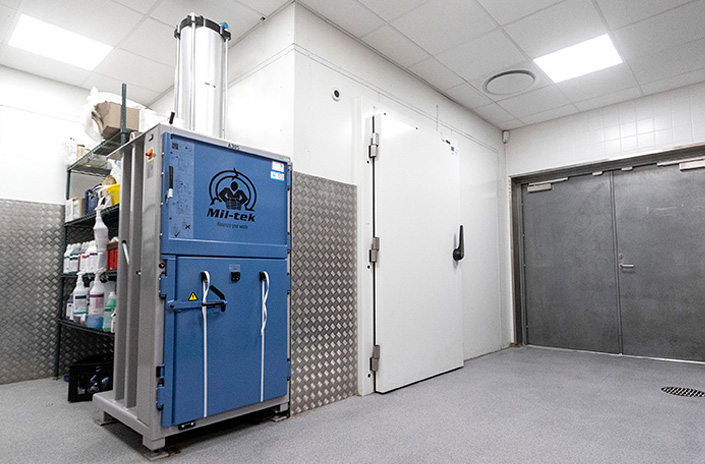
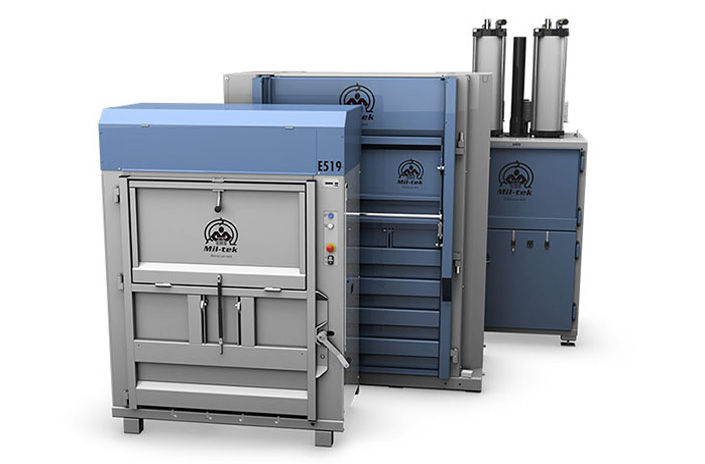
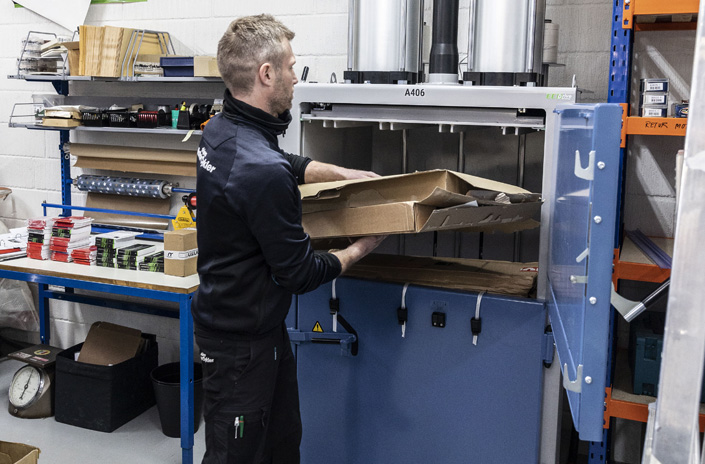
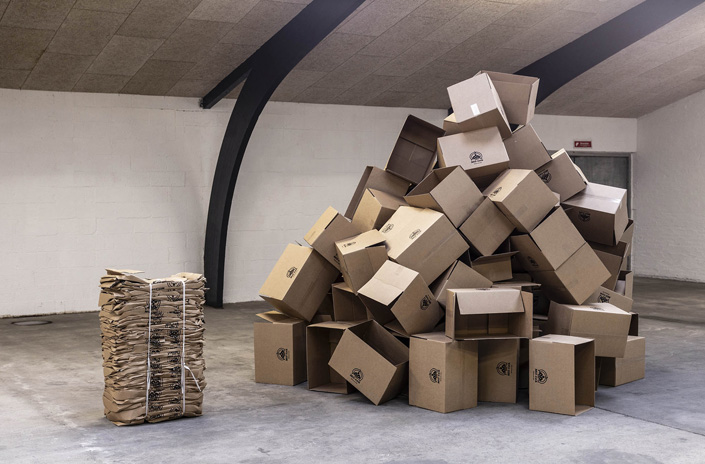
Many Australian businesses face growing challenges in managing cardboard waste. High volumes, limited space, and complex recycling logistics can impact both efficiency and sustainability.
1.Volume and storage
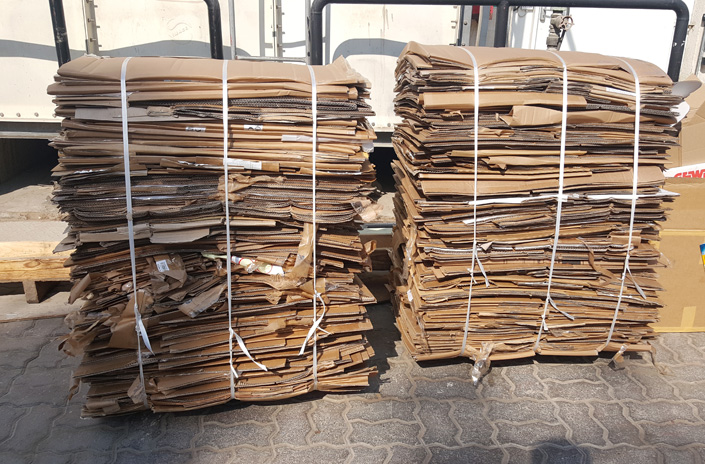
Retail, manufacturing, and e-commerce sectors often generate tonnes of cardboard daily. Storing this waste consumes valuable space, creates clutter, and reduces workplace safety and efficiency—especially for small businesses with limited floor space.
2. Collection and recycling logistics
Coordinating frequent waste pickups can be costly and time-consuming. Smaller businesses may struggle to find affordable recycling options, particularly in areas with limited local facilities, increasing both expenses and carbon emissions.
3. Rising costs
Waste management fees, recycling charges, and non-compliance fines can quickly add up. For many businesses, these expenses represent a significant operational burden.
4. Regulations and sustainability expectations
Companies are under increasing pressure to comply with environmental regulations and demonstrate corporate responsibility. Poor waste practices risk fines, reputational harm, and lost opportunities.