Explore the case:
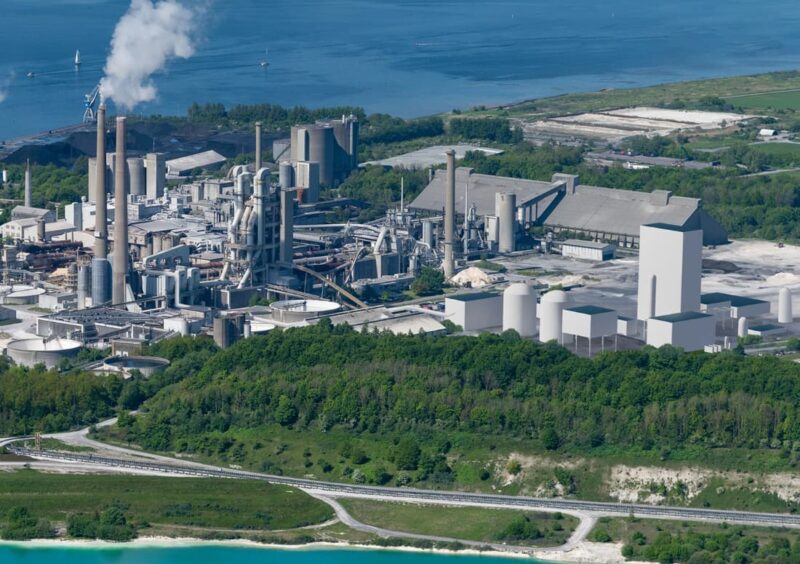
Learn more about Aalborg Portland’s ACCSION project and how carbon capture plays a vital role in decarbonising hard-to-abate sectors.
Discover the caseNews
Carbon capture, storage and utilisation
In 2024, the Danish Energy Agency launched a billion-euro tender procedure for carbon capture and storage, which plays an important part in Denmark’s goals of reaching a 70% reduction in 2030.
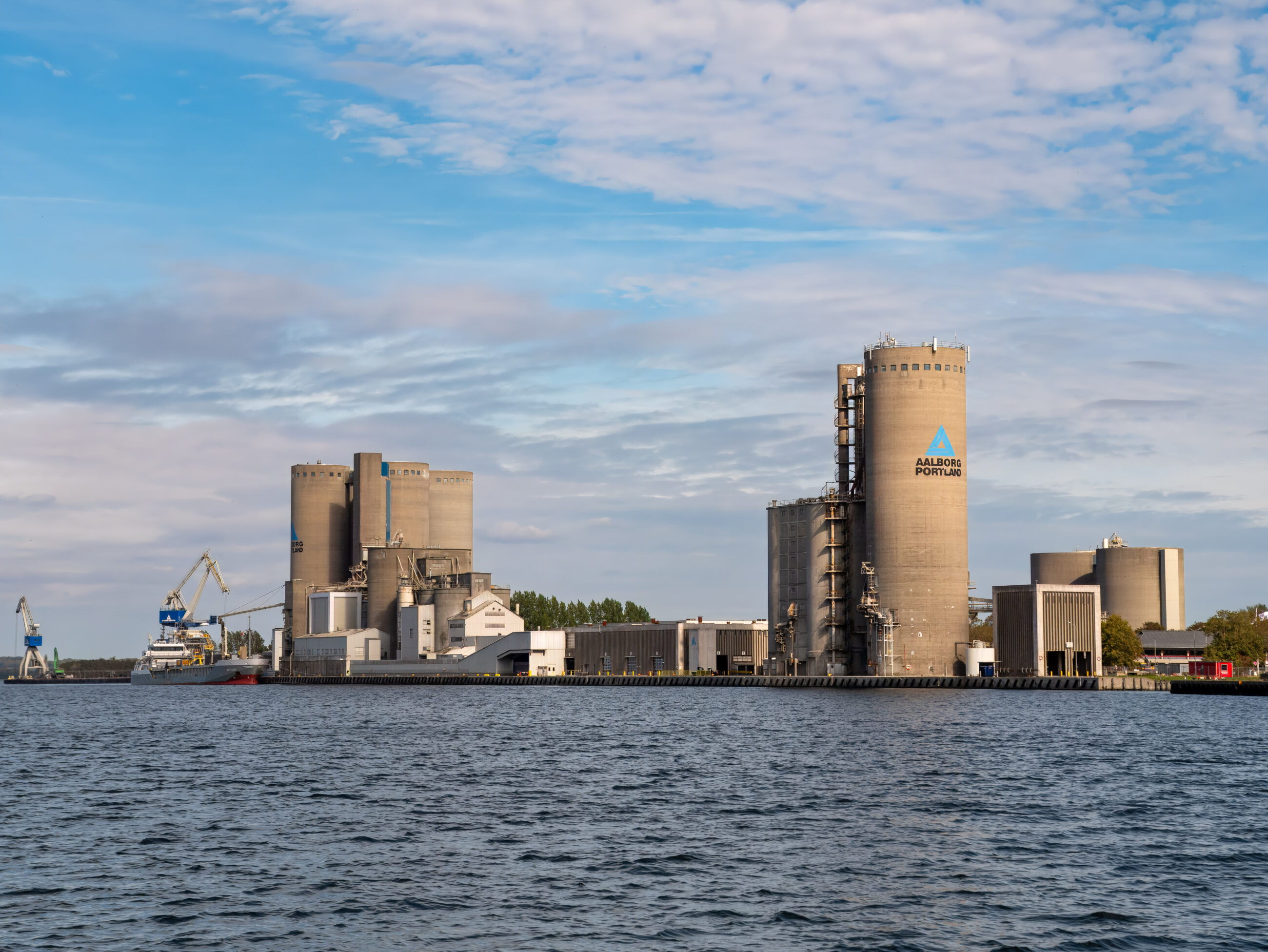
As Denmark’s third carbon capture and storage tender draws to a close, it marks a defining moment for the country’s efforts in decarbonising hard-to-abate sectors. The cement producer Aalborg Portland has already submitted its bid to deliver more than half of the tender’s total CO₂ reduction target, positioning itself as a key contributor to Denmark’s climate ambition of Net Zero in 2050.
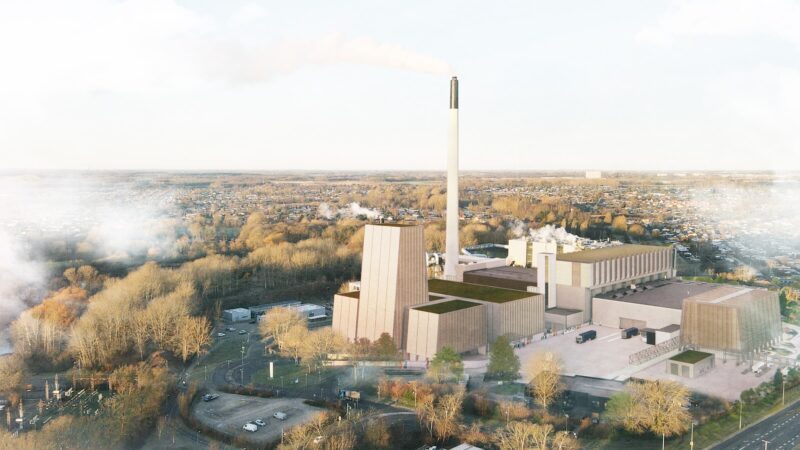
The Danish CCS tender, backed by a EUR 3.8 billion state subsidy fund, aims to secure the capture and storage of 2.3 million tonnes of CO₂ annually by 2030. Aalborg Portland’s project, ACCSION, proposes to capture up to 1.4 million tonnes of CO₂ per year from its cement production in Aalborg. Additionally, avoiding 100,000 tonnes of CO2 emissions through other initiatives like waste heat recovery.
While Aalborg Portland is currently the most prominent bidder, another company has also submitted a proposal. The tenders help advance the national and international agenda on carbon capture by testing market interest, informing infrastructure planning, and highlighting the need for long-term political commitment and stable regulatory frameworks.
After the tender closes, the Danish Energy Agency will assess the submissions before announcing the final awardees later in 2026.
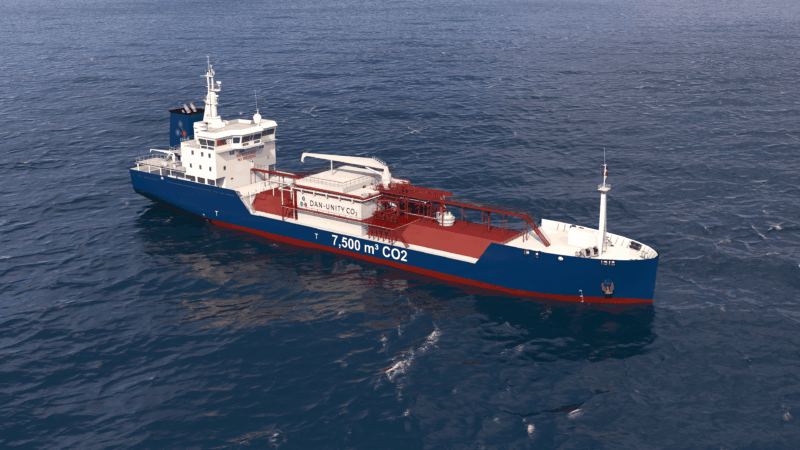
Beyond emissions reductions, Aalborg Portland’s bid includes the development of shared CO₂ infrastructure with a pipeline to Aalborg Harbour and onshore geological storage. The pipeline is designed to enable future carbon capture projects by other emitters. This building approach aligns closely with Denmark’s broader strategy of establishing a scalable and collaborative value chain and can be seen echoed in other projects like the Ørsted Kalundborg CO2.
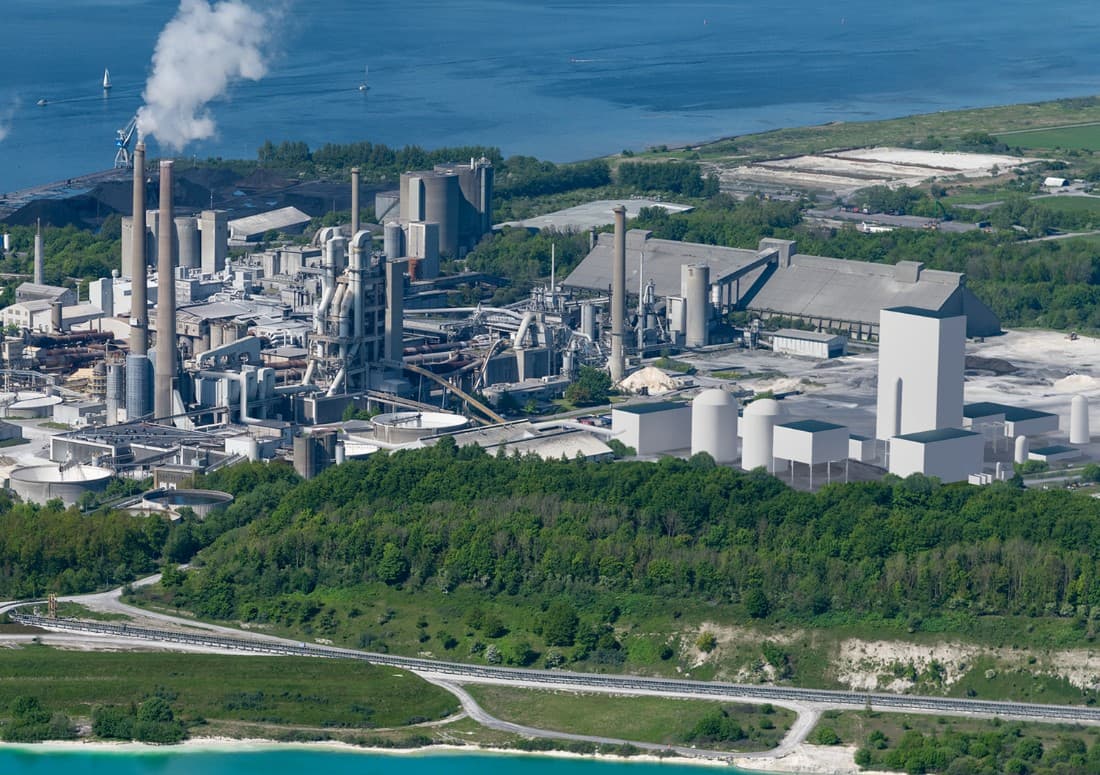
Learn more about Aalborg Portland’s ACCSION project and how carbon capture plays a vital role in decarbonising hard-to-abate sectors.
Discover the caseFollowing the CCS tender, State of Green will launch a new publication exploring how Denmark quickly moved CCUS from an idea to an emerging value chain.
The publication highlights the policies, partnerships, and projects that are turning ambition into action, showing how CCUS can support Denmark’s climate goals while contributing to the global green transition.
Stay updated on our publication page.
Solution
Carbon capture, storage and utilisation
Solution
Carbon capture, storage and utilisation
Solution
Carbon capture, storage and utilisation
Solution
Carbon capture, storage and utilisation
Solution
Carbon capture, storage and utilisation
+1
Solution
Carbon capture, storage and utilisation

Solution
Carbon capture, storage and utilisation
Event
Carbon capture, storage and utilisation
+2