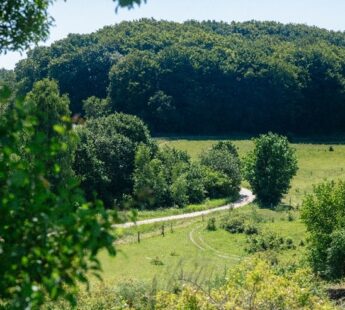
At Gråsten Agricultural College in Southern Denmark, a working farm functions as a living laboratory for the green transition in agriculture.
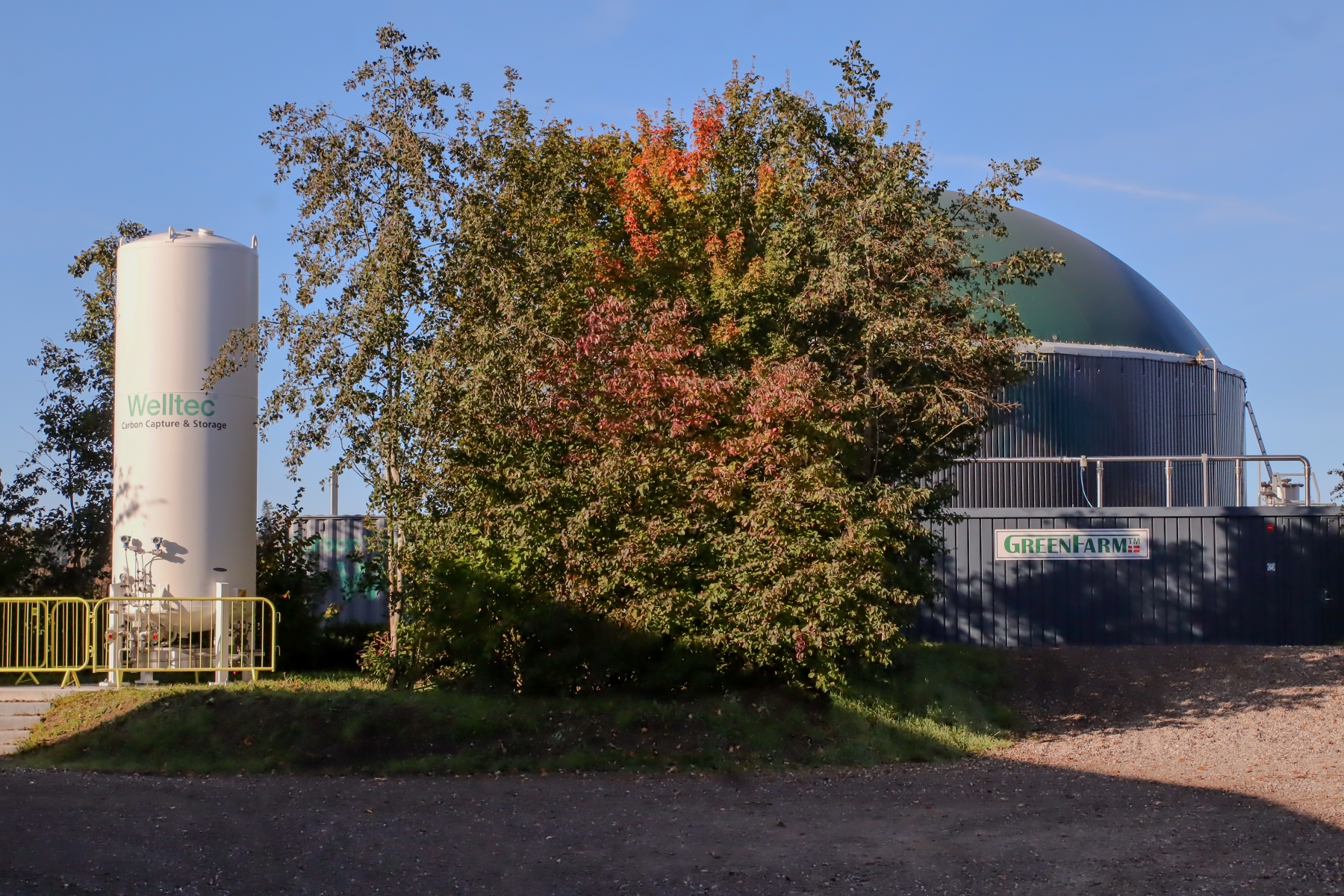
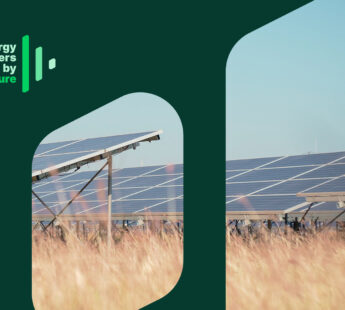
The farm integrates food production, renewable energy generation and education in a circular system. Solar panels on the roofs generate electricity that is stored in a battery system, while manure from cows and pigs is converted into electricity in the school’s biogas plant.
The biogas production also generates excess heat that is used to warm the school buildings. In addition, the farm has introduced small-scale carbon capture, storing CO₂ from biogas combustion as part of a research project exploring the potential for carbon capture in agriculture.
Electrification is another key element. Electric mini-loaders, feeding systems and autonomous robots have replaced many diesel-powered machines, reducing both fuel consumption and emissions.