Skip to content

Perspective

Green Shipping

E-fuels

Policy frameworks

Creating the conditions for a green fuel market

Achieving climate-neutral shipping by 2050 requires a rapid scale-up of green fuel production, supported by major investment, international coordination and infrastructure across the value chain. If adopted, the upcoming IMO regulations could establish the framework for a global green fuels market, providing the regulatory signals and market mechanisms essential to make these fuels available and competitive.

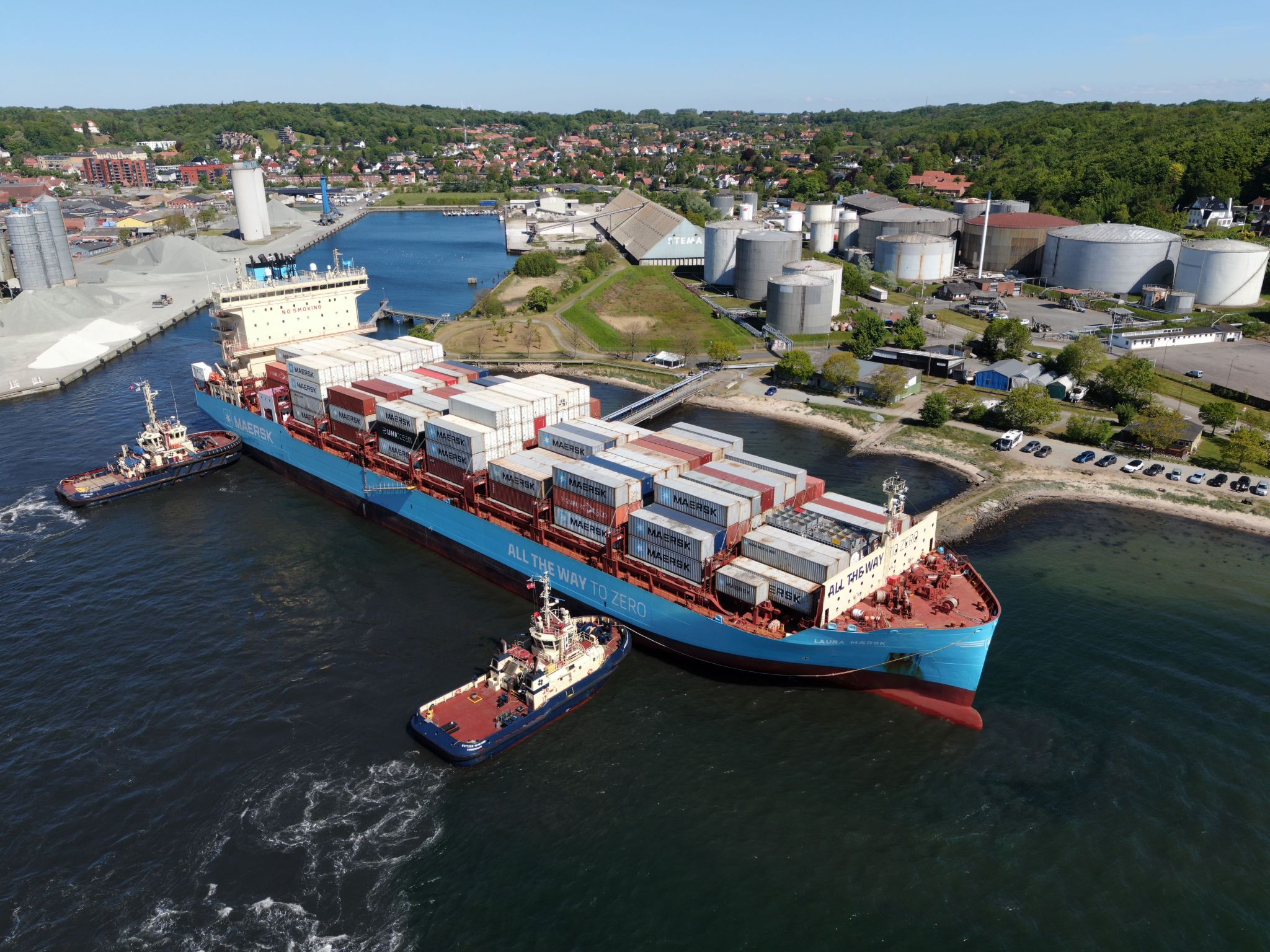
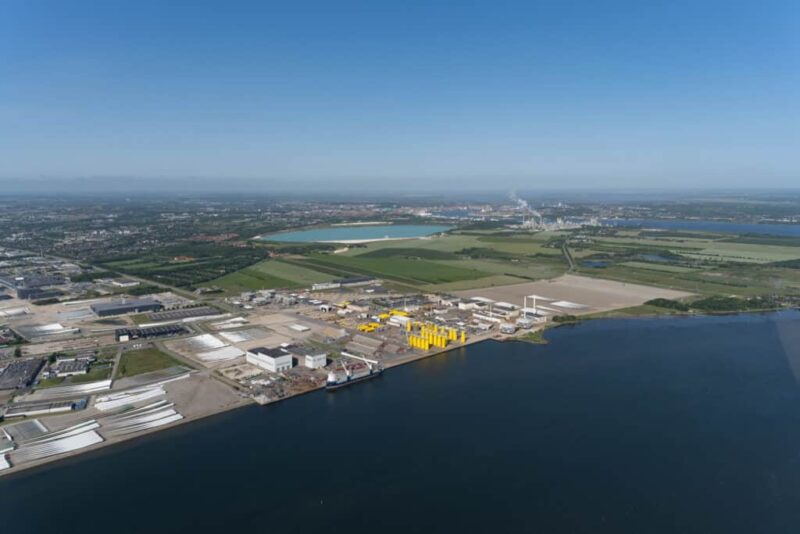
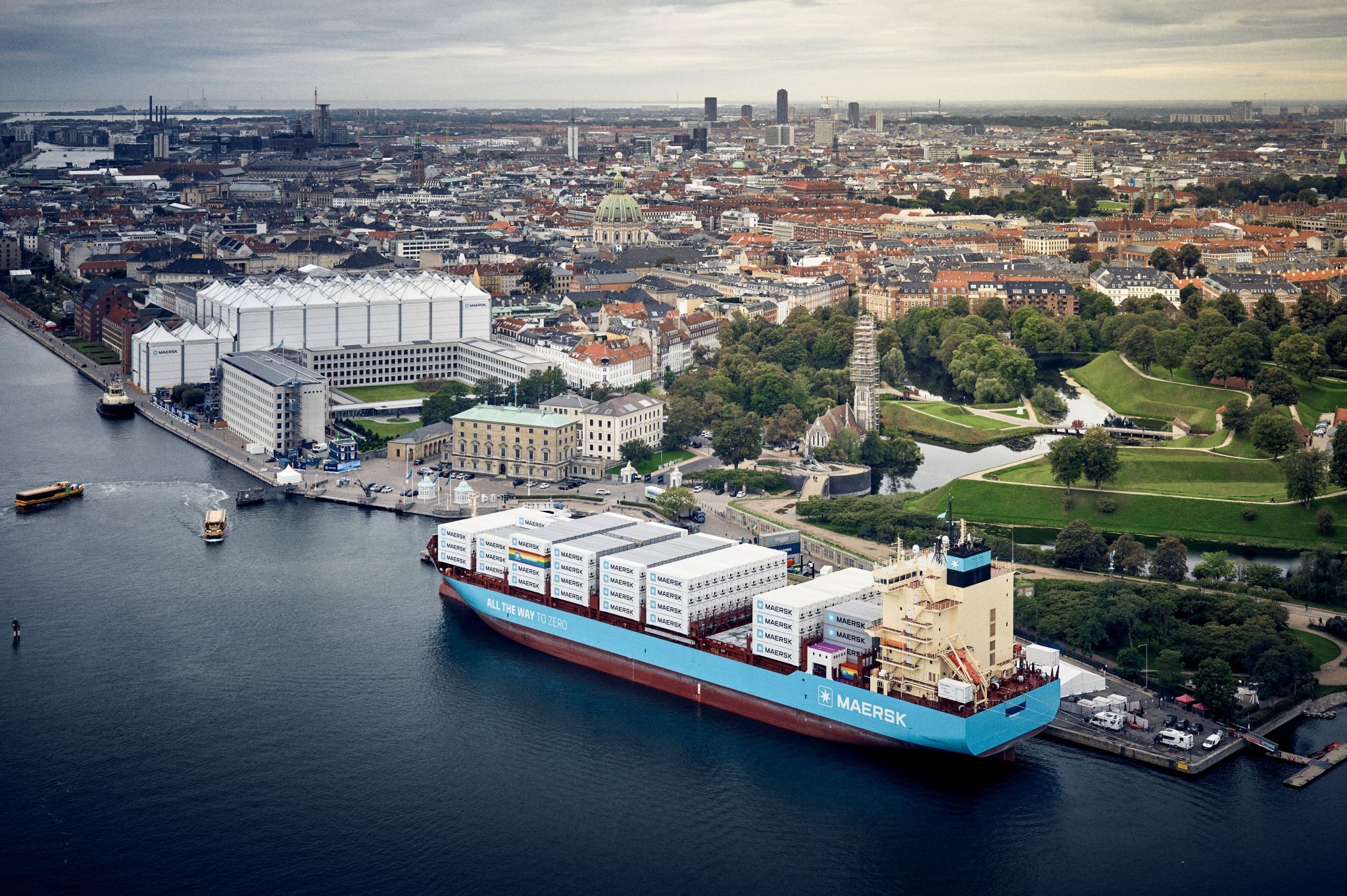
Photo credit: A.P. MOLLER MAERSK | DRONE RUNE 2023 (COPYRIGHTS: @TURE ANDERSEN / [email protected])

image
19 September 2025

The urgency of scaling up green fuel production

Producing green fuels for international shipping is no longer a technological challenge, as the fundamental technologies are known. What remains is scaling them to market in a way that can drive down costs and meet future demand. This transition depends on major investments across the value chain and close coordination between governments, regulators, energy producers, ports and shipowners.

Urgency is key. While it is tempting to wait for more refined technologies, we might not have enough time. Every delay in ramping up green fuel production can have a huge impact on reaching our global climate goals.

Green fuels are typically three to five times more expensive than fossil alternatives. Options such as green ammonia and e-methanol already exist in Denmark, where commercial-scale production and early adoption are demonstrating their viability. Still, their broader competitiveness depends on strong policy support. Regulatory interventions to increase the demand for e-fuels, by reducing their cost and increasing the cost of fossil fuels, will be essential to level the playing field and accelerate uptake across global shipping. Such measures can help ensure that fossil fuels reflect their true societal and environmental costs.

A turning point came in April 2025 when the IMO approved draft regulations to achieve net-zero shipping by 2050. These include a global fuel standard requiring ships to reduce fuel greenhouse gas intensity over time, calculated on a well-to-wake basis. They are supported by an economic mechanism, requiring high-emitting ships to purchase remedial units, while rewarding the use of low- or zero-emission fuels. Together, these measures are shaping investments and steering the market toward low- and zero-emission fuels. Thus, supply-side certainty of green fuels is taking shape, but its strength depends on continued progress on the demand side.
Did you know?

Denmark fuels the world’s first green methanol container vessel.

Mærsk has deployed the world’s first container vessel that can run on methanol, LAURA MÆRSK.

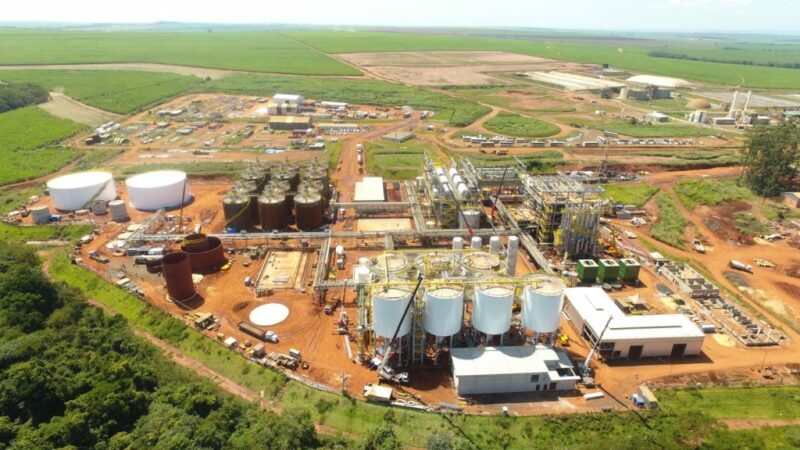
The ship is fuelled by e-methanol supplied by European Energy, coming from the world’s first large-scale commercial e-methanol production site in Kassø, Denmark. The fuel is produced using renewable energy, water and captured CO₂.

Photo credit: European Energy

Read more about Laura Mærsk and green fuels

Increasing the offtake by growing the green fleet

Given ocean-going vessels typically remain in service for around 25 years, it is essential to act today to ensure the future fleet can use carbon-neutral fuels by 2050. From 2030, all new ships ordered by Danish shipowners are to be made ready for green fuels or other zero-emission means of propulsion. This commitment is reflected in current order books, where over 80 percent of total tonnage is already compatible with green fuels. Laying the groundwork for a green fleet sends a strong market signal that, once green fuels are available, they will find a buyer.

Even with uncertainty regarding which fuels will dominate the future, shipowners are responding to climate targets and regulatory signals. In 2024 alone, global orders for alternative-fuelled ships rose by 50 percent, with more than 600 new vessels advancing the decarbonisation of maritime transport. A growing share of these, especially among containerships, are designed to run on green fuels.

Green shipping corridors scales demand for green fuels

Decarbonising international shipping requires targeted efforts across complex global supply chains. Without clear market signals and infrastructure, green fuels struggle to reach commercial scale.

Green Shipping Corridors are collaborative initiatives between governments and industry that aim to demonstrate and scale zero-emission shipping on specific trade routes. While still in their early stages of realisation, they serve as pilot projects to align regulation, fuel supply, ships, and port infrastructure, reducing risk and building real-world demand for green solutions.

As of 2024, 62 green corridor initiatives involving 245 stakeholders are underway globally, spanning various vessel types and regions. Most remain in the conceptualisation or feasibility phase, but they are helping to build investment confidence and create offtake certainty for producers. By driving early action, these efforts are laying the foundation for the IMO’s 2050 net-zero ambition.

Learn more about Green Corridors Hub
Green shipping publication

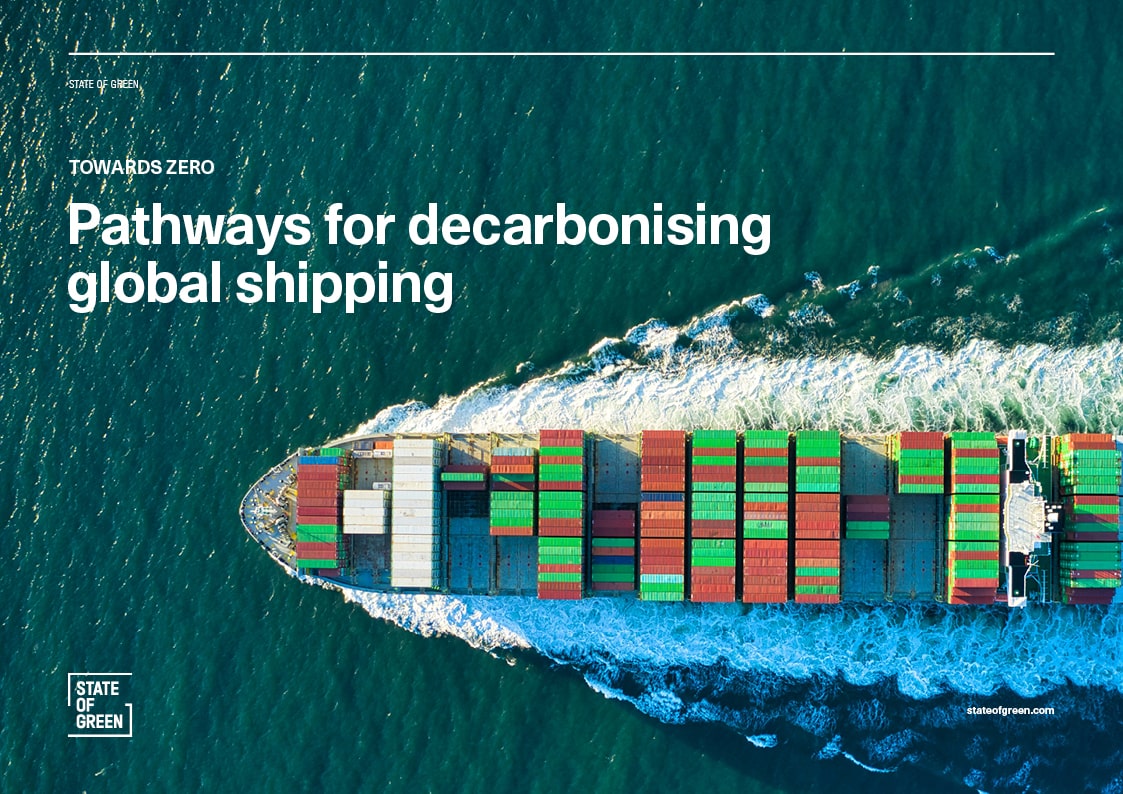
Publication: 'Towards Zero: Pathways towards decarbonising global shipping'

Building on longstanding maritime traditions, Denmark is committed to accelerating the global transition towards climate-neutral shipping and finding ways to overcome regulatory, financial, technological, and political barriers. Dive in to Denmark’s push to decarbonise global shipping by exploring this white paper.

Discover the publication

You should consider reading

E-fuels
Green Shipping
Policy frameworks

Solution

Digitalisation

+7

Floating Offshore Wind Solution Suite

2 April 2026
A US engineering firm sought to commercialise a floating offshore wind technology, requiring a clear market strategy, product-market fit, and access to capital to enable entry into competitive global markets.