News
Urban planning and development
Policy frameworks
Copenhagen aims for climate positivity with new 2035 climate strategy
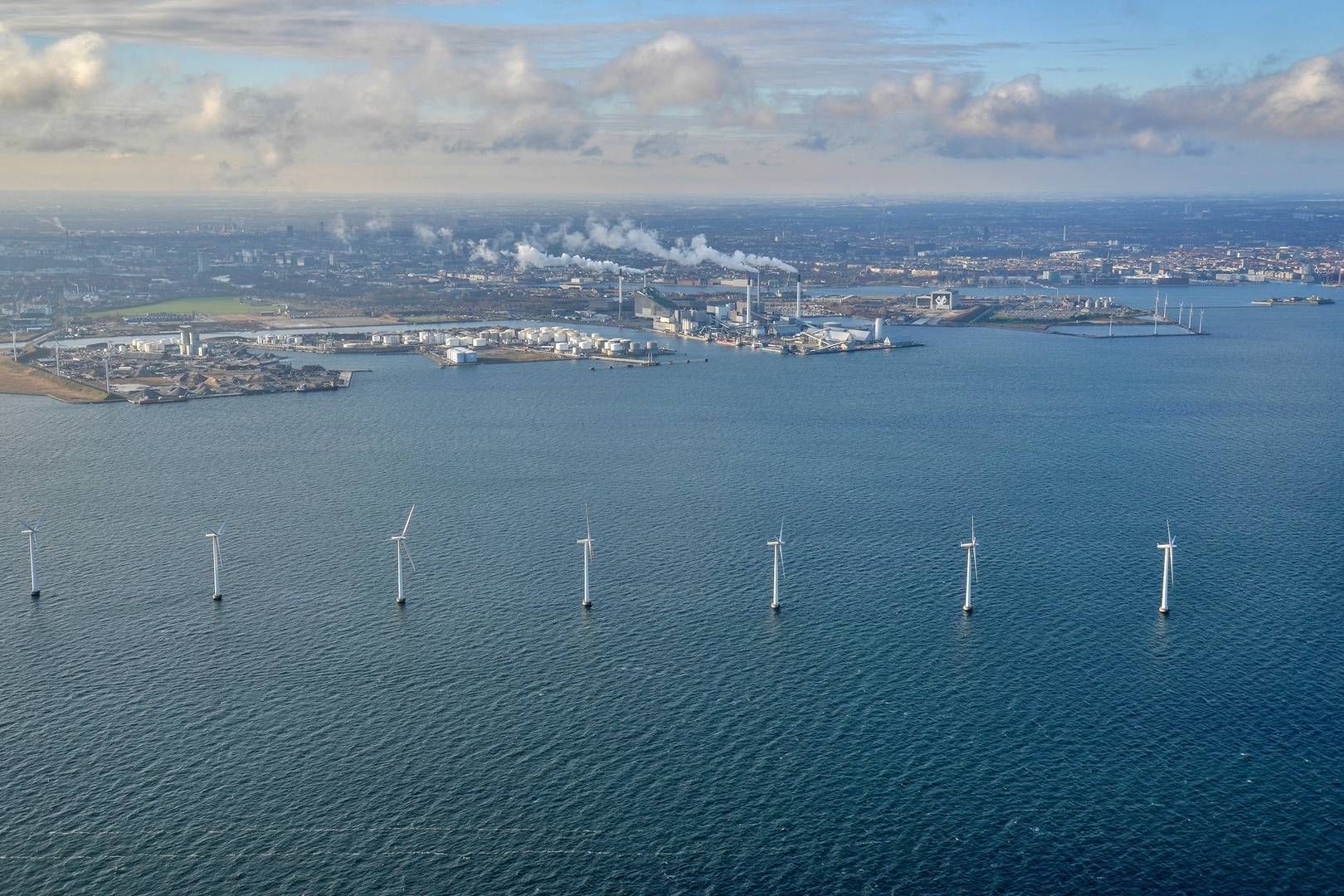
Photo credit: HOFOR
The City of Copenhagen has approved a new climate strategy with bold goals for the next decade. For the first time, the strategy includes objectives not only for reducing the city’s local climate footprint but also for addressing its global impact.
The newly adopted strategy aims for Copenhagen to become “climate positive” by 2035, with a focus on halving its global climate footprint and cutting emissions from municipal purchases by 50%. This represents a significant step forward in the city’s efforts to reduce its environmental impact.
To implement the strategy, three action plans have been devised, the first of which is the Climate Action Plan for 2026-2028, which has also been approved by Copenhagen’s City Council. These plans will lay out the concrete measures that the city will take to achieve its climate targets.
“Copenhagen must be a green city leading with initiatives that have a real impact on the climate. With this new climate strategy, our goal is to become climate positive by 2035. It’s an ambitious target that will attract attention both here at home and abroad. By sharing our experiences and technologies, we can make a significant difference for the global climate footprint. When we come together and collaborate, we can succeed and make a real impact on the climate.” Lars Weiss, Lord Mayor of Copenhagen
Building on KBH 2025 Climate Plan
Copenhagen has already demonstrated its ambitious approach to climate action through its previous climate strategy, the KBH2025 Climate Plan. This plan has brought Copenhagen about 80% of the way to climate neutrality, largely through a shift in the energy sector towards being almost free of fossil fuels. The plan also focused on mobility, renewable energy production, and energy savings.
Since the work on KBH2025 began, all municipalities in Denmark have set goals to reduce emissions within their respective geographies. Many cities and municipalities, like Copenhagen, are also focusing on their climate footprint beyond the municipal borders, collaborating with rural areas to reduce emissions from industry, transport, and energy production, while also influencing the demand driving these emissions.
With the new climate strategy’s ambitious goals for climate positivity and halving the global climate footprint, Copenhagen can continue to inspire other cities both nationally and internationally.
The Danish approach to urban green transition
Denmark has a long tradition of driving urban sustainability, creating green, liveable, and connected cities to cope with the consequences related to population growth, urbanisation, and climate change.
The Danish approach is built on a foundation of holistic planning, where environmental, social, and economic considerations are interwoven. Cities like Copenhagen have shown how urban areas can lead the way in the fight against climate change while creating more livable, resilient, and sustainable environments for their residents.
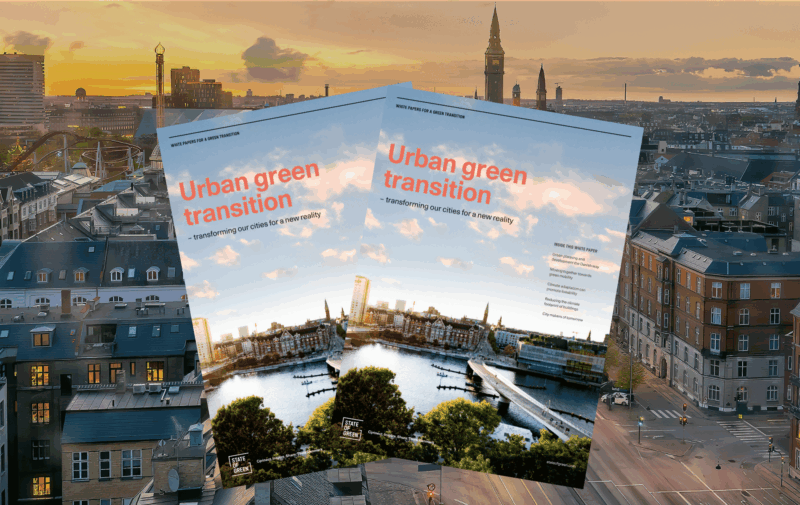
Read more about the Danish approach to creating green and liveable cities in our white paper, which covers a variety of themes under the green transition umbrella.
Discover urban green transition
News
Urban planning and development
+14
White paper: Explore solutions for urban green transition
3 July 2023
You should consider reading
Partner news
Electricity grid
+7