Skip to content

News

Security of supply

Grid and infrastructure

Offshore wind

Denmark and Germany seal landmark deal on Bornholm Energy Island

At the 2026 North Sea Summit, Denmark and Germany reached a historic agreement to jointly finance the world’s first energy island, marking key step towards a more integrated and secure European energy system.

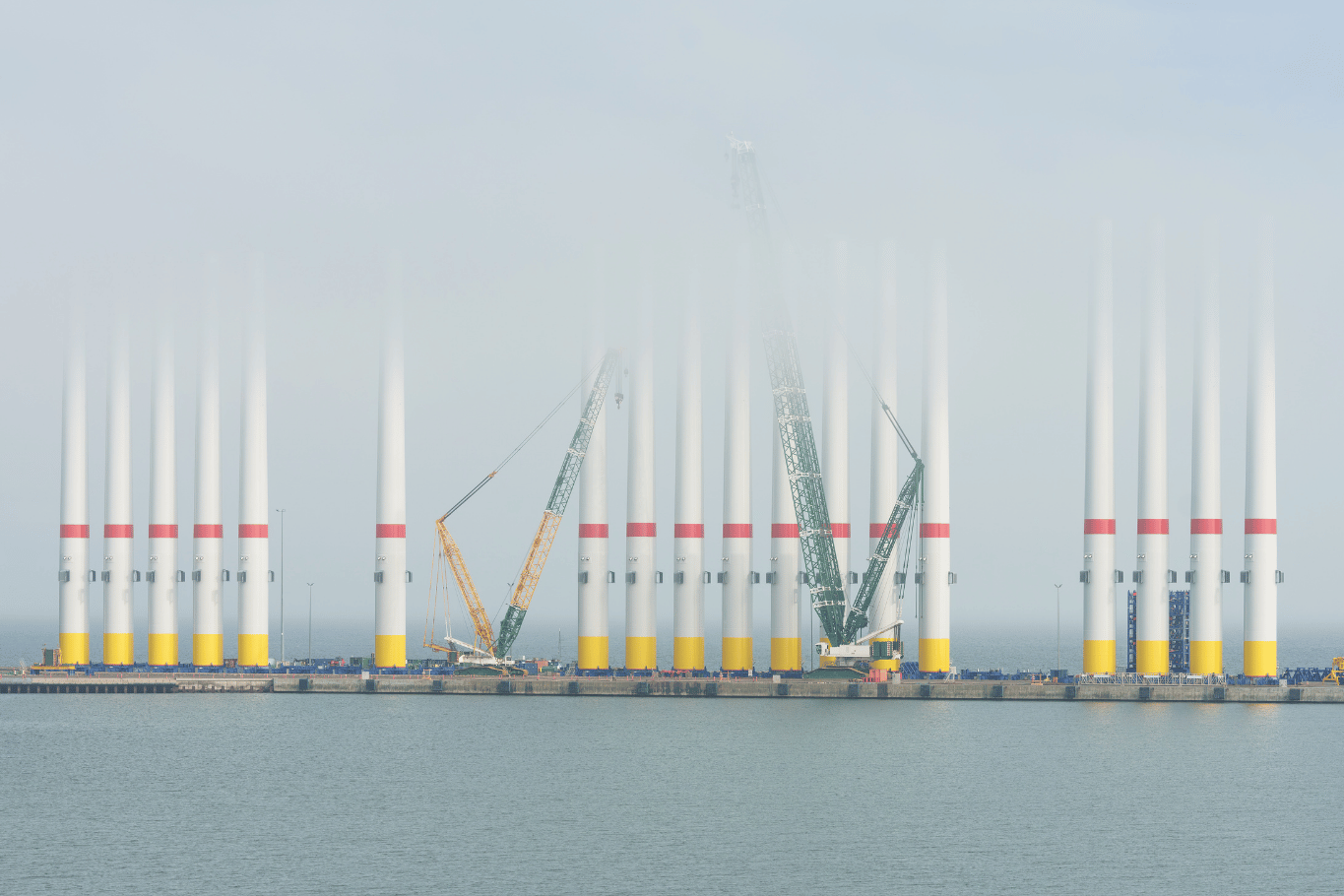
Wind turbine foundations standing in the Port of Rønne, Bornholm.

Security of supply: Building resilient energy systems and societies

Security of supply today goes beyond protecting systems from disruption. It’s about designing energy and water systems that are resilient, efficient, and less reliant on scarce or imported resources.

Explore real-world solutions and connect with providers focused on energy security and water resilience.

Discover the focus area

In Hamburg, Germany, Danish and German officials signed a long-awaited agreement on the Bornholm Energy Island, confirming the financial framework for what will become one of Europe’s most ambitious offshore wind infrastructure projects to date.

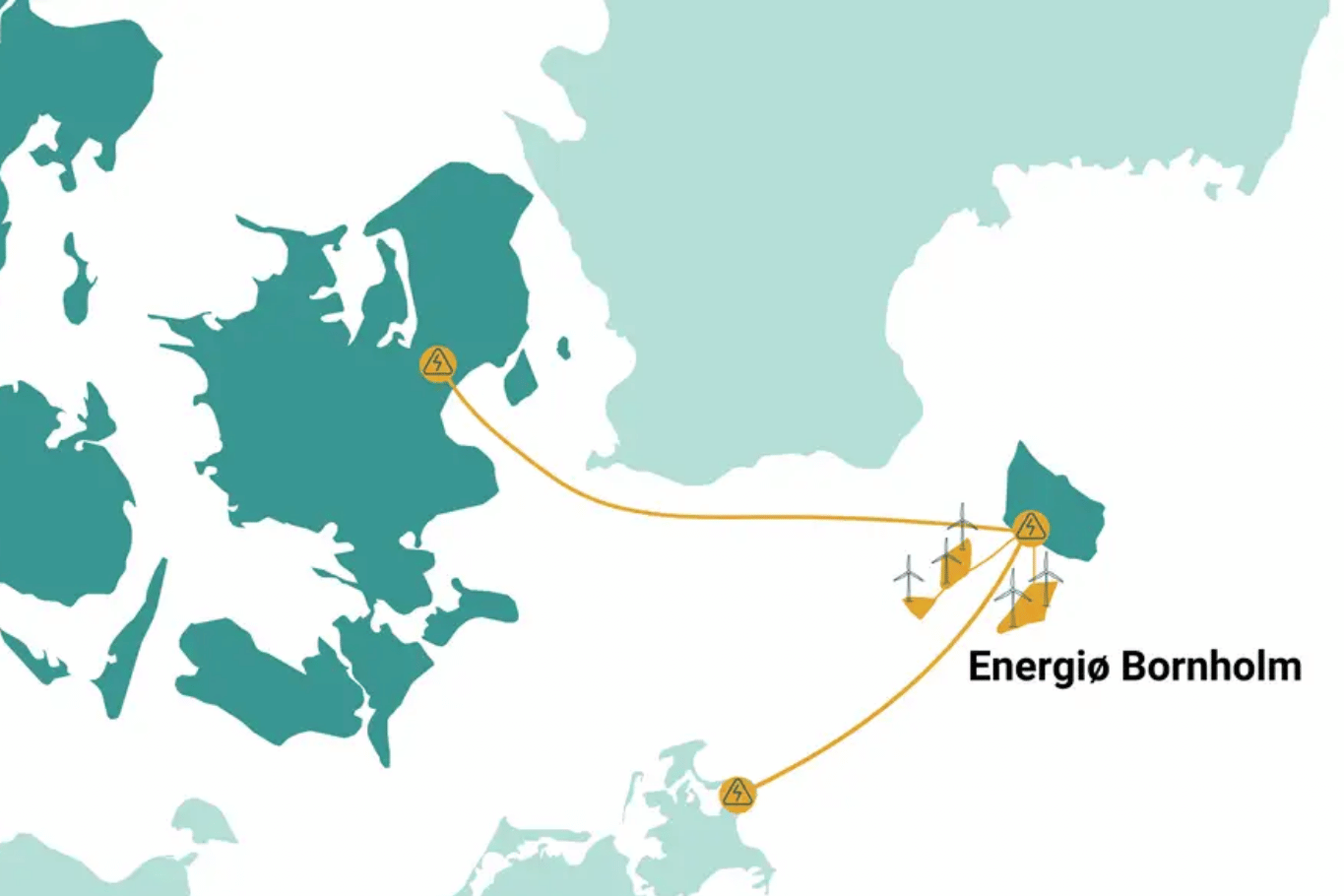
The energy island will connect 3 GW of offshore wind capacity to both Denmark and Germany and help deliver green electricity to millions of households and businesses across the region.

The agreement covers a shared funding model between the two countries, ensuring a balanced distribution of costs in relation to the benefits and expected power flows between the nations.

“The agreement with Germany on Bornholm Energy Island is a major milestone and an important achievement for Europe. In a time of significant geopolitical change, we stand side by side with Germany and strengthen our connection across borders in more than one sense. It is an important step towards a more energy-independent Europe with lower energy prices, which is a cornerstone of the European industry’s competitiveness.” Lars Aagaard, Denmarks Minister for Climate, Energy and Utilities

Illustration: Energy Island Bornholm

Photo credits: Ministry of Climate, Energy and Utilities

Strengthening Europe’s energy independence

Bornholm Energy Island is more than just a Danish-German project – it’s a European priority. Recognised by the European Commission as one of eight “Energy Highways”, the project has already received DKK 4.8 billion in EU funding. It supports broader EU ambitions to reduce dependency on energy imports, integrate regional power markets, and build out large-scale renewables with cross-border infrastructure.

Once operational, the island will serve as a hub where offshore wind is collected, converted, and transmitted through high-voltage cables to Zealand and northern Germany. This setup enables both countries to share renewable power more flexibly and cost-effectively – especially during periods of high production or fluctuating demand.

Next steps: Offshore wind tenders and grid collaboration

In the coming months, Danish and German energy authorities will collaborate on launching a joint tender for the offshore wind farms linked to the island – a crucial next milestone in the timeline.

The agreement also lays the groundwork for deeper grid cooperation between Energinet (Denmark’s transmission system operator) and 50Hertz (its German counterpart), ensuring a robust and coordinated approach to planning and operation.
You should consider reading

Grid and infrastructure
Offshore wind
Security of supply