Skip to content

Perspective

Climate COP

Combined heat and power production

District cooling

+8

Denmark at COP30: Energy distribution and integration

The distribution and integration of energy have in recent years become the new hot topic, and this Monday, the EU Energy Ministers set the end date for the integration of Russian oil and gas in the EU energy infrastructure. Denmark travels to COP with an intention to emphasize that cables and grids is not only a security issue, it is also one of climate.

Discover Denmark at COP30

In the month leading up to COP30 in Bélem, Brazil, we unfold some of the various focus areas for the partners at the Denmark Pavilion.

Learn more about the Danish efforts, ambitions and activities at COP30, and connect with future solution providers.

Discover Denmark at COP30

The recent regional energy crisis and threats to critical infrastructure have highlighted how essential the energy distribution and integration sector is when it comes to the question of security. In the EU, especially, the sector has come under focus as the EU looks to disengage from Russian gas and oil from the energy system.

But the energy distribution and integration sector is not only important within the topic of security. It will play an essential role in reaching the goals of the Paris Agreement. The transformation from fossil fuels into clean energy is highly reliant on well-functioning energy distribution and integration. This is also due to the need to increase electrification of several sectors, which will require strengthening of the grid and interconnectors.

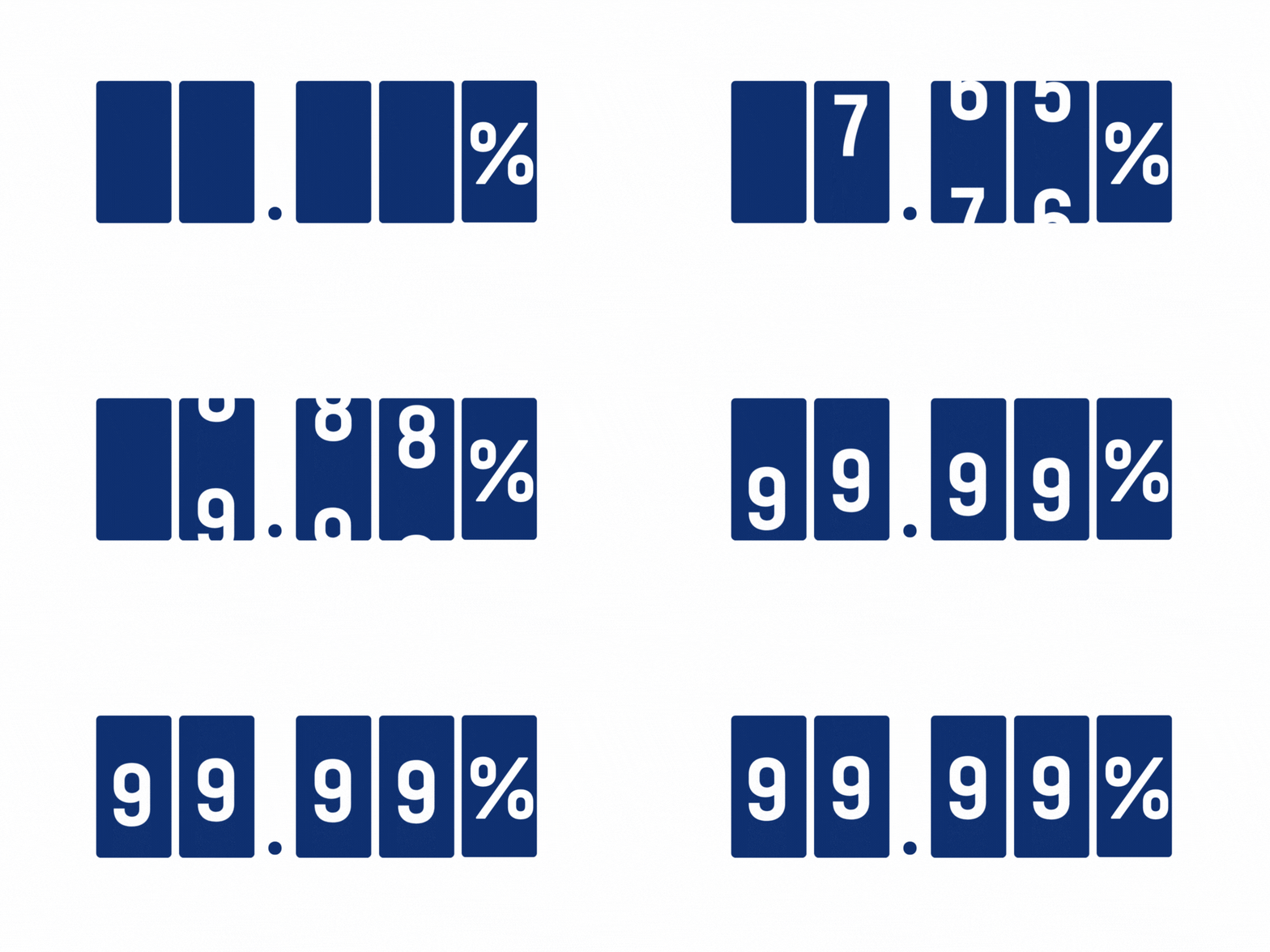
99%

Danish citizens can rely on power in their sockets 99.99% of the time.

This is one of the world’s highest levels of electricity supply security.

Green transition as a catalyst for security of supply

Denmark is a frontrunner in securing an electricity supply

Even though more than 60 percent of Denmark’s electricity comes from wind and solar, Denmark has an electricity security of 99.99 percent. This means that Danish consumers have just 20 minutes of electricity downtime per year.

As the geopolitical events of the past few years have shown, it is an ideal that’s difficult to uphold. However, those same events have also made it clear that we can’t let the flow of renewable energy be constrained by borders if we want to see the green energy transition through.

To be sure, distributing energy across borders and connecting both grids and markets requires a complex level of collaboration – one that Denmark has long succeeded in. By linking with its neighbouring countries, Norway, Sweden, Germany, and the Netherlands, Denmark balances supply, incorporates more green energy, and ensures security of delivery. In 2024, Denmark expanded the network with the inauguration of the world’s longest interconnector, the Viking Link, to the United Kingdom and joined Europe’s PICASSO grid initiative.

Carbon-negative heat and power production

Denmark is on track to have a carbon-negative heat and power production in 2030.

Download our publication on district energy

Discover our white paper on district energy – the backbone of a flexible, resilient and efficient energy system.

District energy

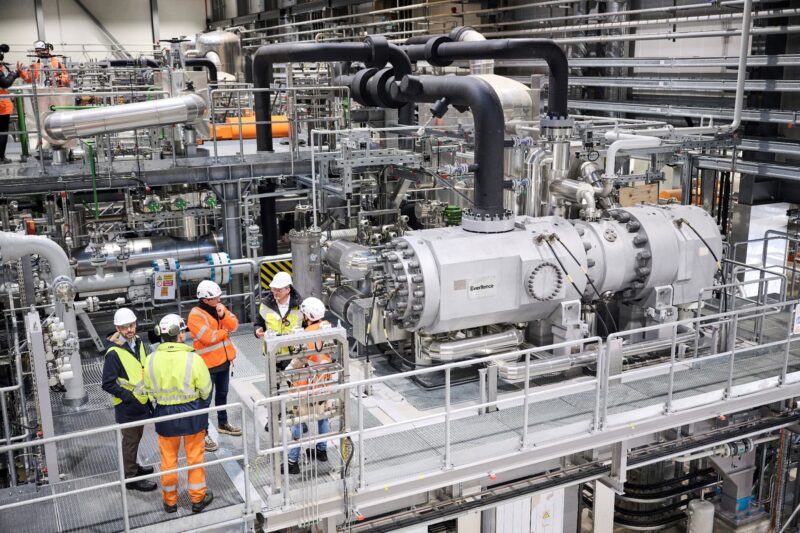
District energy as a backbone for a flexible energy system

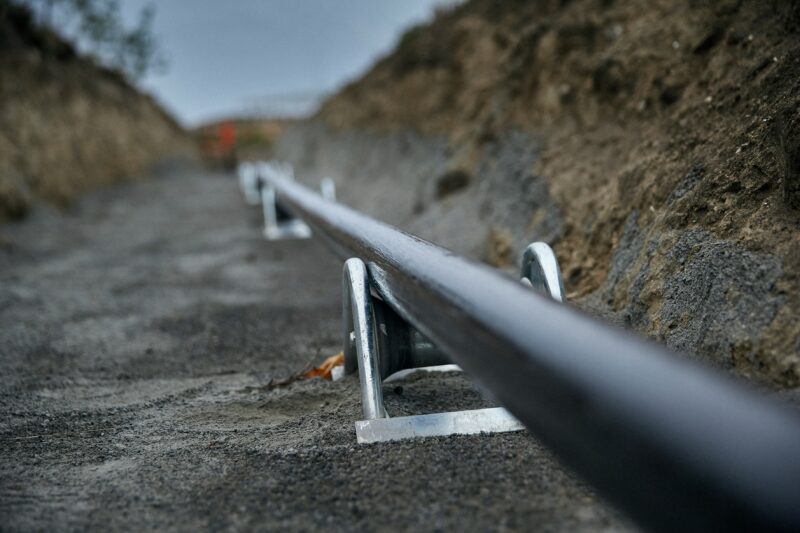
District energy, and in particular district heating, has long been part of the Danish energy system. The first system was built in 1903, and the build-out was further accelerated when, in the 1970s, the global oil crisis forced a change in its energy policy.

Today, 69 percent of Danish homes are heated by district energy, and the number is increasing. District heating was once fuelled by oil and coal, but today, district heating in Denmark is based on more than 75 percent renewable energy, showcasing that district heating is an adaptable solution that can play an important role in global decarbonisation.
You should consider reading

Climate COP
Combined heat and power production
District cooling
District energy
District heating
E-fuels
Green Shipping
Grid and infrastructure
Grid balancing
Heat pumps
Land transport