1/3
High-level Australian delegation
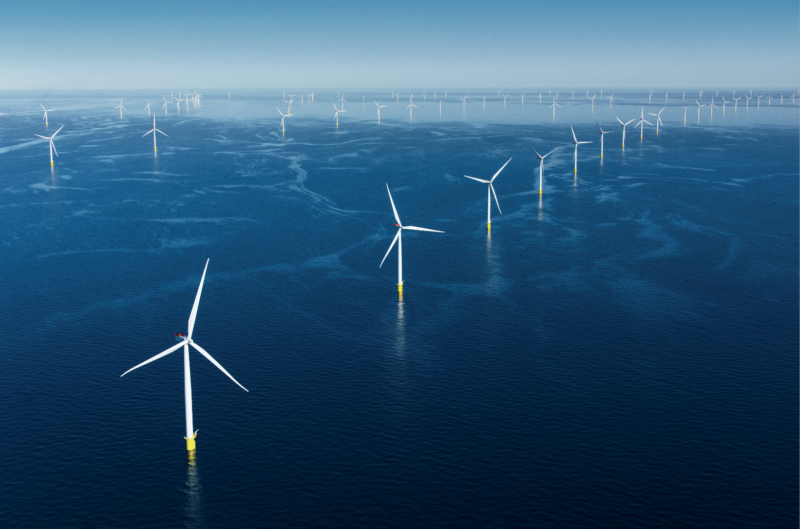
The delegation visiting Denmark contains politicians, senior civil servants, and NGO representatives from Australia.
News
Wind farm planning and development
Job creation and just transition
Offshore wind
+4
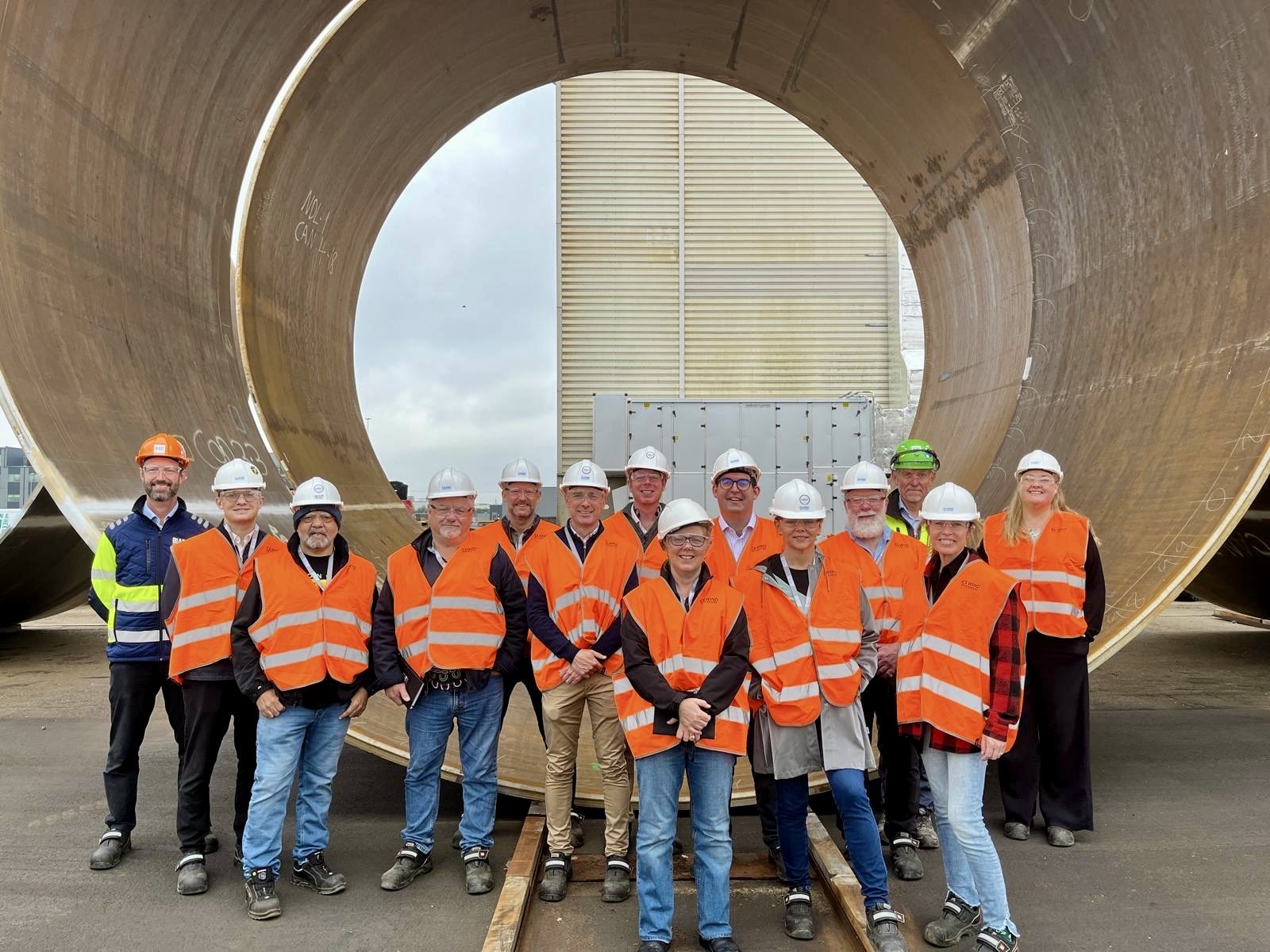
Organised by the Royal Danish Embassy in Canberra in collaboration with State of Green, the programme brings the delegation to key sites and meetings across Denmark – including ports, wind technology manufacturers, project developers and public authorities.
The visit centres on some of the most pressing questions facing Australia’s offshore wind journey: How do you transform industrial ports into global wind hubs? How do you design tenders that attract long-term investment? And how do you grow a domestic supply chain while ensuring strong community support?
These are not theoretical questions – they are urgent, practical challenges for a country working to unlock its vast offshore wind potential. With gigawatts of capacity on the horizon and bold climate targets to meet, Australia is looking to Denmark for proven answers.
Australia has set legally binding climate targets to reduce greenhouse gas emissions by 43 per cent below 2005 levels by 2030 and to reach net zero by 2050. A key pillar of this strategy is the goal to generate 82 per cent of electricity from renewable sources by 2030. To achieve this, offshore wind is set to play a critical role.
Victoria is leading the way, with a dedicated strategy aiming for 2 GW of offshore wind capacity by 2032, rising to 9 GW by 2040. Other states are also entering the offshore wind space, including New South Wales, where the federal government has recently declared an offshore wind zone in the Hunter region of 4.5 GW.
However, like many countries developing a new offshore wind industry, Australia is navigating the complexities of scaling up – from investment conditions to planning processes and infrastructure readiness. These are challenges that naturally emerge along the way and offer valuable opportunities for shared learning.
“The Hunter region has powered the nation for over 50 years, and we are transforming our coal capabilities to continue this important role in the clean energy economy. Regional representatives and the Australian Government are aligned that offshore wind will play a prominent role – not only to secure sufficient supply to power the Hunter’s heavy industry, but to ensure that supply is green, reliable and affordable. This delegation to Denmark offers an important opportunity for strategic discussions on the relationship between our nations, and on what Australia can learn about driving investment and community engagement through ambitious clean energy policies. The Danish One Stop Shop model for offshore wind is an approach that Australia could readily adopt and apply to other classes of green infrastructure,” said Alice Thompson, CEO of the Committee for the Hunter, an NGO representing industry, businesses, unions, governments and the community sectors to support sustainable growth in the region.


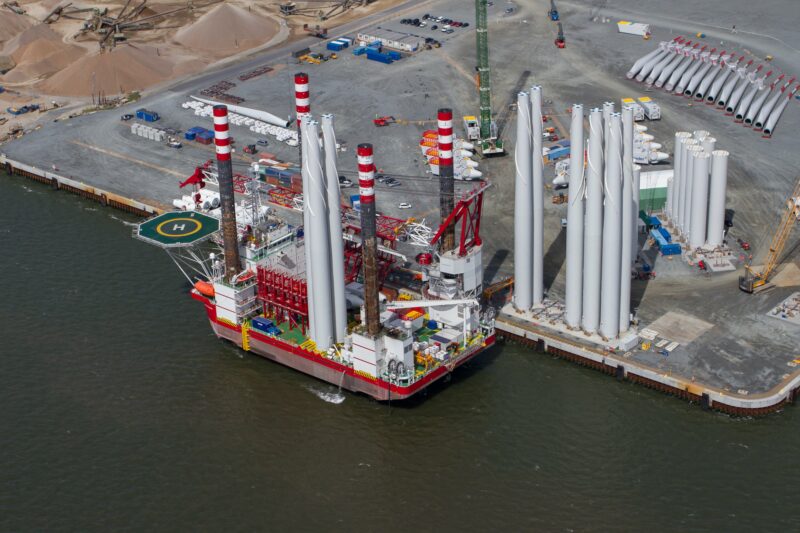
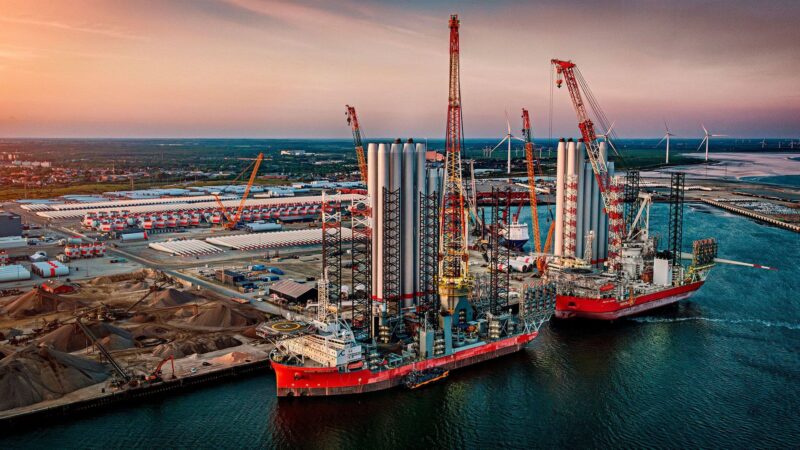
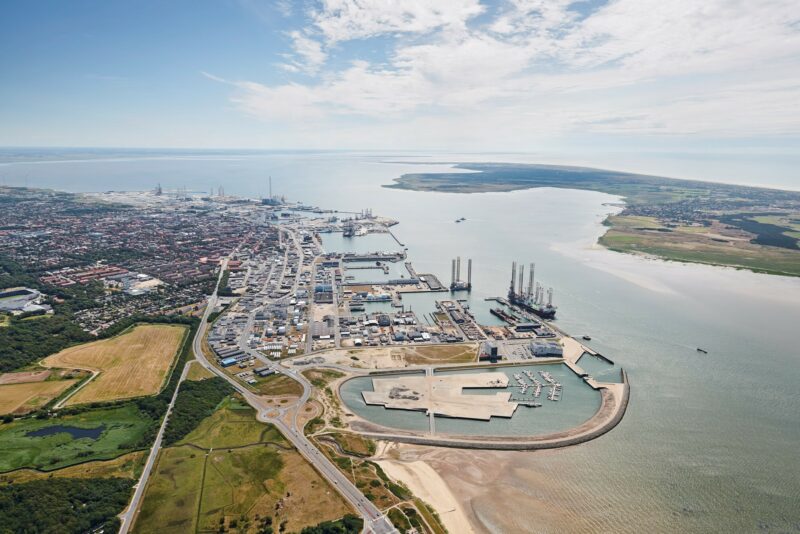
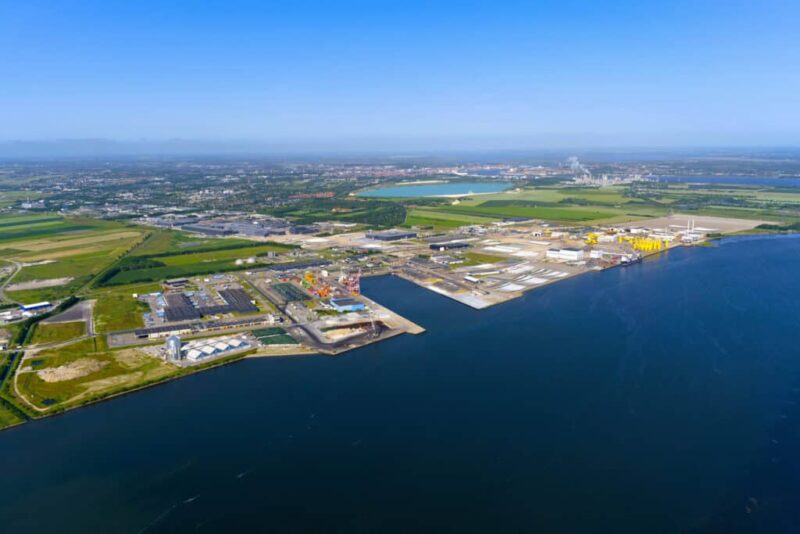
Throughout the week, the delegation is meeting with leading actors across the Danish offshore wind ecosystem, including Ørsted, Vestas, Copenhagen Infrastructure Partners, Cadeler and the Danish Energy Agency. They are also visiting key infrastructure sites such as the Port of Esbjerg, Port of Aalborg and Hvide Sande, which are at the forefront of Denmark’s offshore wind and port development journey.
The programme has been curated to demonstrate how strong political commitment, early planning and close public-private collaboration have enabled Denmark to build a robust offshore wind industry – while ensuring local support and long-term value creation.
“Australia has set ambitious climate goals, and offshore wind will play a vital role in reaching them. As Australia moves to scale up its offshore wind sector, Danish experience offers valuable insights – from how to develop ports and supply chains to building public support and effective governance. We’re pleased to help facilitate this dialogue and exchange of knowledge.” said Maja Schrøder Kristensen, Senior Project Manager at State of Green.


An essential theme of the delegation’s programme is how to secure public support and a lasting social licence for offshore wind. In Denmark, transparent processes and early engagement with communities have proven key to building trust and long-term acceptance.
A highlight of the visit is the coastal town of Hvide Sande on Denmark’s west coast, where wind energy, tourism and local life are closely intertwined. Since 2011, three locally owned onshore wind turbines have not only powered the town’s heating and electricity supply, but also helped revitalise the harbour and support local development. The turbines, once debated, are now embraced as part of the town’s identity – even referred to by some locals as “beautiful engineering”.
The delegation includes Surfers for Climate Action, a non-profit organisation advocating for stronger climate policies across coastal communities in Australia. Their presence underscores the growing relevance of ocean-based renewables to civil society and how the energy transition can align with local values – from clean energy and economic opportunity to recreational use of coastal areas.
“Local concerns about preserving the area’s scenic value are real – and should be taken into consideration. From our part, we are happy to have learned that the area’s appeal remains strong. Even with changes to the landscape, such as wind turbines, we have seen that tourist perceptions are positive, and overnight stays continue to rise. This proves that local identity and tourism growth can go hand in hand with renewable energy build-out,” said Majken Graver, CEO at VisitVesterhavet.
The visit runs from 7–12 September and includes participants from both federal and state governments in Australia, as well as leading civil society organisations engaged in the energy transition.
State of Green is a not-for-profit, public-private partnership between the Danish government and the country’s three leading business associations (Danish Industry, Green Power Denmark, and the Danish Agriculture and Food Council).
State of Green is your one-stop-shop to more than 600 Danish businesses, agencies, academic institutions, experts and researchers. State of Green connects you with leading Danish players working to drive the global transition to a sustainable, low-carbon, resource-efficient society.
Learn more about State of Green
Maja Schrøder Kristensen
Head of Electrification (Renewable Energy Sources, Grid & Infrastructure)
Partner news
Carbon capture, storage and utilisation
+2