Skip to content

News

Combined heat and power production

District heating

Three months without coal in Denmark’s electricity and heat production

Denmark has gone over three months without using coal for electricity or heat production - the longest coal-free period in the country's history. The milestone reflects the rapid green transition powered by renewables, electrification, and biomass.

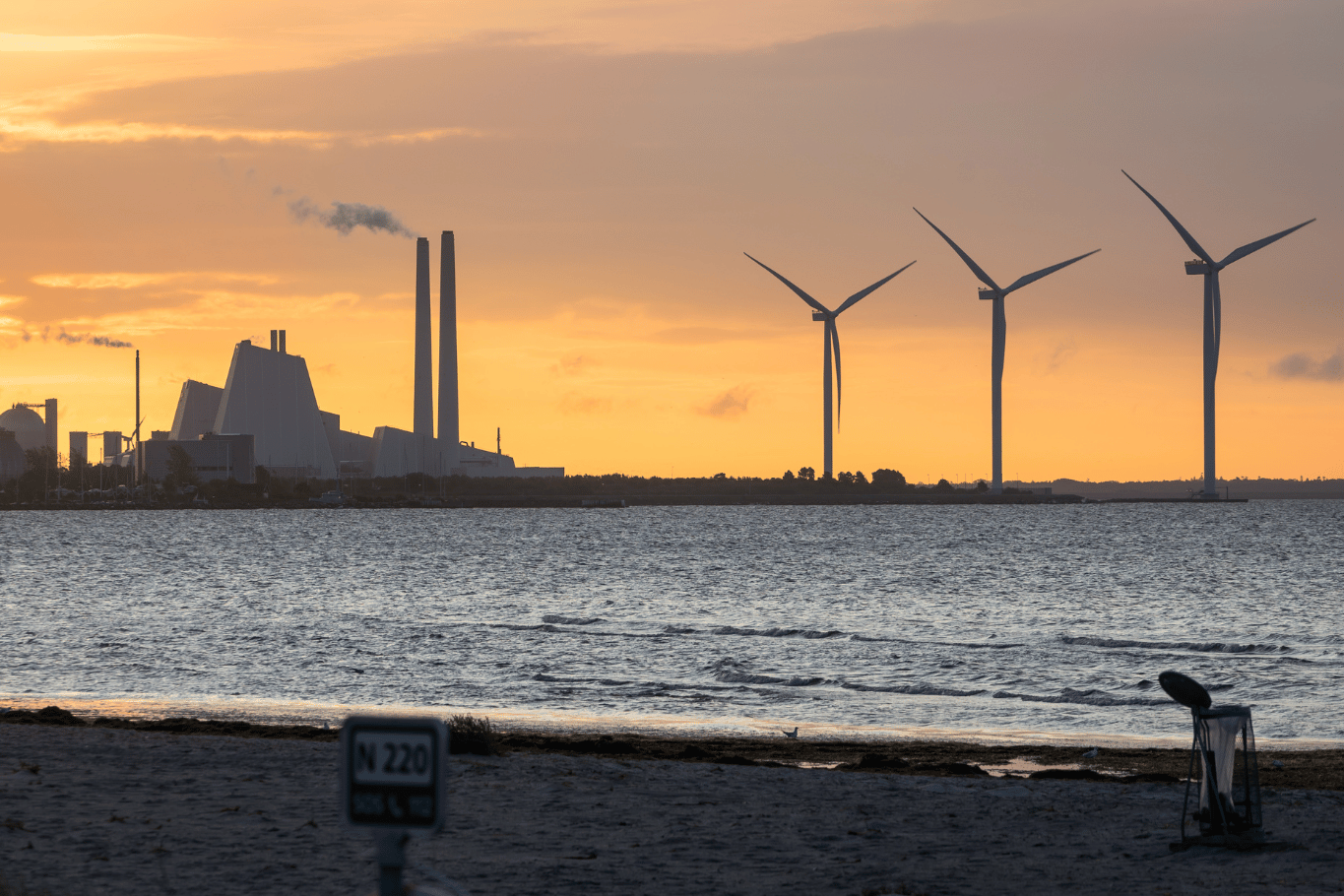
Avedore Holme combined heat and power station delivers flexible and dispatchable energy, generating enough electricity to supply 1.3 million homes. Photo: Adobe Stock

For the first time, Denmark has recorded more than three consecutive months without coal being used in its electricity and heat production. The most recent day of coal-based electricity production was 1 May 2025, according to data from the European transmission system operators, ENTSO-E.

The milestone is a testament to a growing ability to maintain a secure and stable energy supply while continuing the transition towards a greener energy system.

In a time of shifting geopolitical realities and increasing international focus on energy security, the ability to ensure uninterrupted energy access without relying on coal demonstrates the robustness of its energy infrastructure. It also reflects a broader European ambition to reduce dependence on fossil fuels, both for climate and strategic reasons.

Also read: Danish district heating goes green through electrification

Decarbonising power and heat

Behind the achievement lies a mix of large-scale investments in renewables, electrified heating, and fuel substitution. In the district heating sector alone, 97 percent of newly installed heat production in 2025 is based on electricity, significantly reducing reliance on fossil-based fuels. Biomass has also played a stabilising role in the transition, especially in combined heat and power plants.

The shift away from coal has accelerated in recent years. In 2024, Esbjerg Power Station was shut down and replaced by the world’s largest seawater heat pump, together with sustainable biomass and waste-to-energy solutions. In parallel, Fynsværket has transitioned to gas and biomass, with coal now phased out. Today, only one coal-based power plant, Nordjyllandsværket, remains operational, and it is expected to cease coal use by 2029.
Up to 92.4% fossil-free electricity

Only 7.6 percent of Denmark’s electricity consumption in June came from central and decentralised power plants. The remaining demand was covered by wind, solar, and electricity imports, showcasing the increasing share of renewables in the national energy mix and the country’s ability to utilise regional interconnections to balance supply and demand.

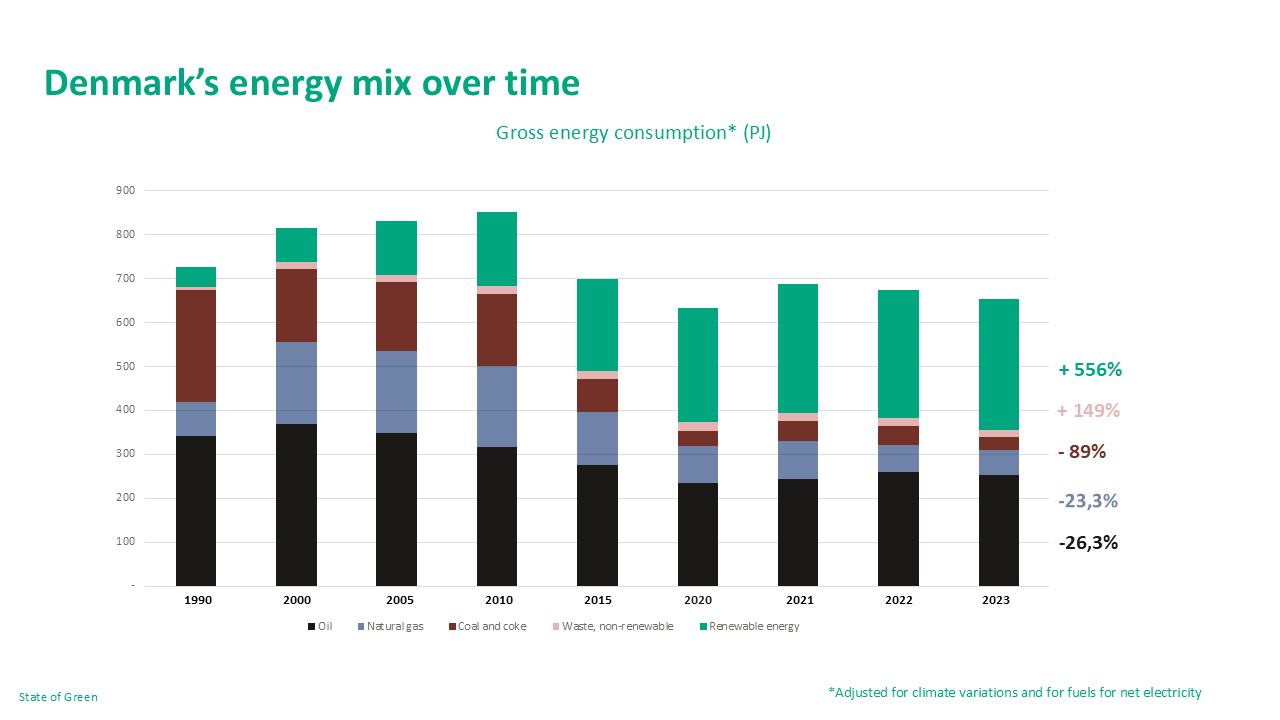
Denmarks energy mix over time

Denmark’s energy mix has undergone a profound transformation over the past decades, shifting from a reliance on coal and oil to a system increasingly dominated by wind, solar, sustainable biomass, and electrified heat solutions.

Denmarks energy mix over time.

Resilience still matters

While the absence of coal in the energy mix marks a significant step forward, it does not signal the end of challenges. Weather-dependent energy sources such as wind and solar remain vulnerable to extreme conditions, and continued development of flexible and resilient systems is necessary. Seasonal variations and peak demand periods can still test the limits of the grid.

Denmark’s ability to maintain energy security through clean solutions strengthens its position as a driver in the green transition. However, ensuring long-term stability will require ongoing investment in flexible infrastructure, strategic reserves, and cross-border collaboration.

Discover related content

News

Energy efficiency in industry

+21

New white paper: Explore how industries can decarbonise while staying competitive

17 July 2025
As industries work to cut emissions and secure long-term competitiveness, efficiency, circularity and innovation are proving essential. Explore how decarbonising industry goes hand in hand with driving costs down, resilience up and future growth in our new white paper "Towards a sustainable industry".

You should consider reading

Combined heat and power production
District heating