Skip to content

Case

Combined heat and power production

District heating

Heat pumps

+4

District heating – the heart of an integrated energy system

17 March 2026

Solution provider

ProjectZero

ProjectZero is Sønderborg’s cross-sector climate partnership, uniting citizens, businesses, utilities and the municipality to achieve a CO₂-neutral energy system by 2029 - and to serve as a living blueprint for cities around the world.

More from ProjectZero

Want to see this solution first hand?

Add the case to your visit request and let us know that you are interested in visiting Denmark

Challenge

Decarbonising heating is one of the key challenges in the green transition. Heating buildings traditionally relies heavily on fossil fuels, contributing significantly to CO₂ emissions.

At the same time, increasing shares of renewable electricity from wind and solar create a need for flexible energy systems that can connect sectors and utilise energy more efficiently.

:

Video of the case

Watch Anders explain the benefits of district heating.

Solution

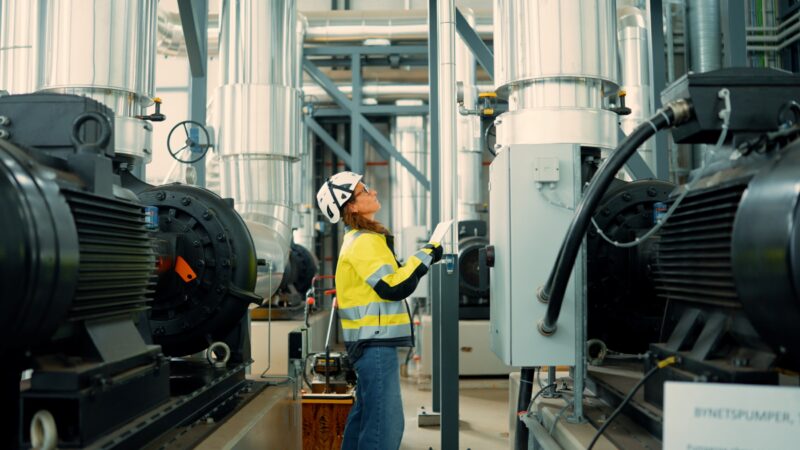
In the Sønderborg area, district heating acts as a central component of an integrated energy system that connects multiple sectors and energy sources.

An extensive network of underground pipes distributes heat from a wide range of sources, including large-scale heat pumps, solar thermal plants, biomass, waste incineration and excess heat from supermarkets, hospitals and industry.

By capturing and circulating heat that would otherwise be wasted, the system reduces energy losses and ensures that locally available energy resources are used as efficiently as possible.

The district heating network also enables sector coupling by linking the heating sector with the electricity system. For example, large-scale heat pumps can convert renewable electricity into heat when power production from wind and solar is high.

Result

The transition to greener energy sources has significantly reduced the climate impact of heating in Sønderborg.

Since 2007, CO₂ emissions from district heating have fallen by 68 %, primarily due to the replacement of natural gas with renewable energy and excess heat.

Today, natural gas accounts for less than 10 % of the heat supply and is mainly used during peak demand to secure stable operation.

As a result, a resident heating a 125 m² home with district heating emits around 361 kg of CO₂ per year, compared to approximately 2,900 kg from a gas boiler – an 87 % reduction.

The system also creates value for local businesses. Companies can supply excess heat to the network, reducing emissions while strengthening their business case through improved energy efficiency.

A circular heating flow

In the Sønderborg area, district heating does more than keep homes warm – it enables sector coupling, strengthens local businesses, and reduces CO₂ emissions across the entire area.