News
Wind farm planning and development
Wind research and development
Wind turbine manufacturing and components
World’s Oldest Operating Wind Turbine Turns 40
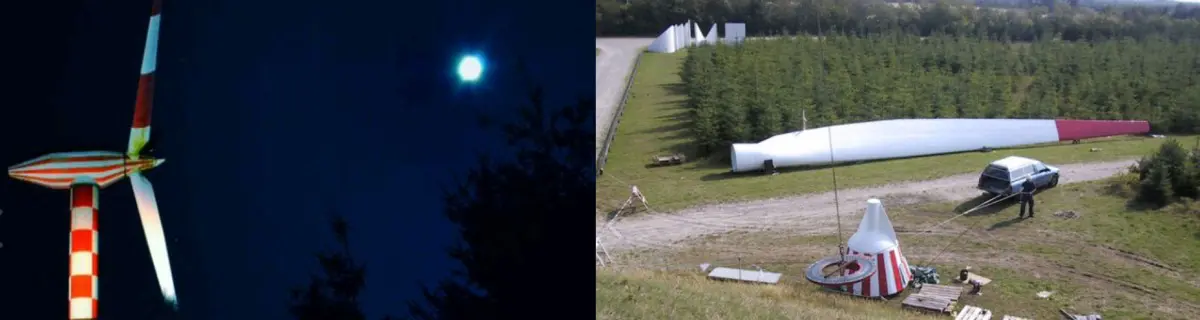

It all began in 1975. The idea of building the world’s biggest wind turbine took shape among the teachers at the Schools in Tvind. To control their own heating bill, to supply the schools with cheap, clean and renewable energy and not pollute the atmosphere, and as an argument in the energy debate. The result was a 54 meter tall turbine with a wingspan of 54 meters, by far the biggest in the world at the time.
Tvindkraft started producing electricity on March 26, 1978. Throughout the years the turbine has proved that wind power is substantial. A turbine of this size could not be overlooked. It was built to last, which it has done. It was important to show that turbines didn’t come down a few years after the construction.
Today it is running with all original parts apart from wings and wing bearings which have been replaced. Thus Tvindkraft continues to be an encouraging example of how common people can blaze new trails through determination and unity. It hasn’t all been plain sailing. Many challenges have turned up, but solutions were found to make sure that Tvindkraft stayed in production.
Through the years we have done maintenance and development much in the same way as when the turbine was built: With participation of volunteers, doing the work ourselves, seeking advice and sometimes assistance from others who knew more, using recycled materials and parts, or getting new parts for free or at reduced prices whenever possible. We have enjoyed great support from many sides. As Tvindkraft is a prototype, we have also developed and modified technical details.
These are the main events during Tvindkraft’s life:
- In 1989 a wing bearing was changed.
- In 1993 all 3 wings were replaced as well as 2 other wing bearings.
- In 1999 the wings, hat and tower were painted in Jan Utzon’s red and white pop-art design.
- In 2000 the yawing and control systems were modernised.
- In 2004 another wing bearing was replaced.
- In 2015 the electric capacity was increased by adding another frequency converter to the original one.