News
Smart buildings
Sonderborg-Area Reaches 22% Carbon Reduction in 5 years
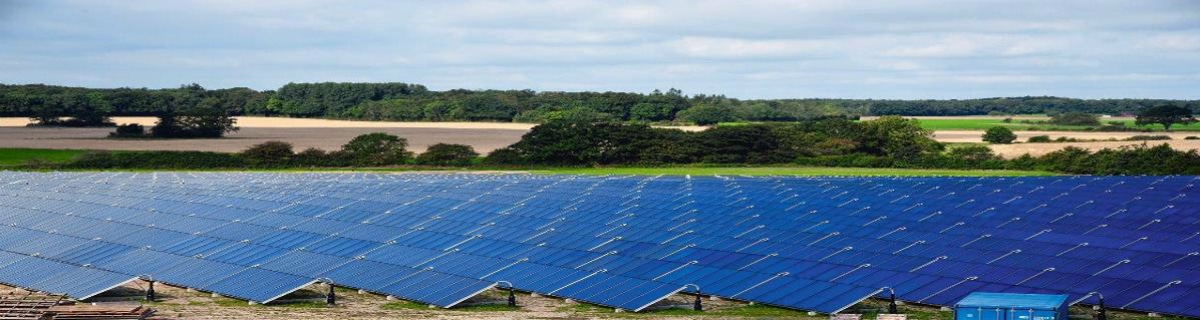
The carbon emissions from the Sonderborg-area have been reduced by 151.000 tons, or an impressive 22 %, from 2007 to 2012. This is the result of ProjectZero’s yearly measurements of the energy consumption and carbon emissions from the Sonderborg-area, a result that has been externally verified by the consultancy company NIRAS.
Read more: Sonderborg's Climate Roadmap2020 recognised by C40 expert committee
Acheiving the 22% reduction
Two of the main elements in the area’s reductions are the positive developments in the production of electricity and district heating.
Locally in Sonderborg the district heating companies have taken charge of the green transition and converted most of the supply structure to renewable energy. Geothermal energy, solar heating, biomass and large scale heat pumps are among the technologies now supplying the Sonderborg-area with green district heating. At the same time a large number of businesses, private homes and public institutions have replaced their oil and gas burning furnaces and boilers with district heating.
The production of electricity has on a national level become much greener as more and more renewable energy has been introduced into the system. The local production of electricity has declined over the last decade, but the electricity being produced in the Sonderborg-area is now also much greener. This means that locally produced electricity has the same emission factor as electricity from the national grid.
The consumption of fossil fuels in the Sonderborg-area has declined significantly over the last five years. Adjusted for seasonal changes the consumption of oil for heating and process related purposes has been reduced by 28 % from 2007 to 2012. The overall energy consumption of the area has been reduced by almost 11 % in the period.
For more news, visit our Newsroom
You should consider reading
Solution
Energy efficiency in buildings
+2
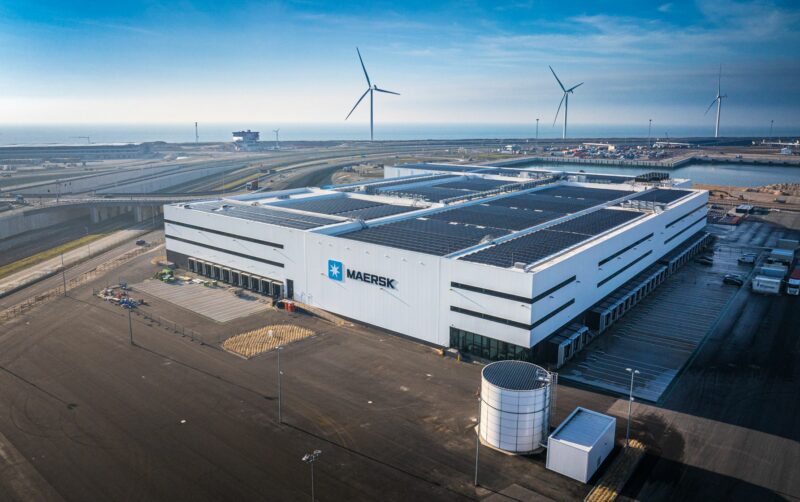
Sustainable Distribution Centre for Maersk in Rotterdam
2 September 2025
State of Green
Buildings
+8