Skip to content

News

Green buildings

Buildings

Electricity grid

+12

Showcasing Denmark’s green ambitions: A press trip ahead of the State Visit to Australia

Australia and Denmark share high ambitions for a green, secure and sustainable society. Ahead of the official Danish state visit to Australia in March, State of Green and The Danish Ministry of Foreign Affairs welcomed a group of Australian journalists for a trip across Denmark, visiting important Danish climate stakeholders from both the public and private sectors.

Australia & Denmark: A partnership for a resilient tomorrow

This press trip is a part of the run-up to Denmark’s official state visit to Australia on 16-19 March 2026.

The press trip has been arranged by State of Green and the Ministry of Foreign Affairs.

Learn more about the state visit

Australia has set legally binding climate targets to reduce greenhouse gas emissions by 43 per cent below 2005 levels by 2030 and to reach net zero by 2050.  To achieve these ambitious goals, drawing on the expertise and experiences of others will be crucial, allowing Australia to build on established solutions rather than starting from the ground up.

From 14 March to 19 March 2026, Their Majesties King Frederik X and Queen Mary will undertake an official state visit to Australia. Building on the strategic partnership established between the two nations in 2023, the visit will enhance cooperation in various sectors, including green transition and economic security. A key focus of the visit will be green transition, with 55 Danish companies participating in the official business delegation, “Partnering for a Green, Secure and Sustainable Tomorrow.” The delegation will aim to foster collaboration in renewable energy and energy-efficient urban development, highlighting the role of green innovation in driving sustainable business growth.

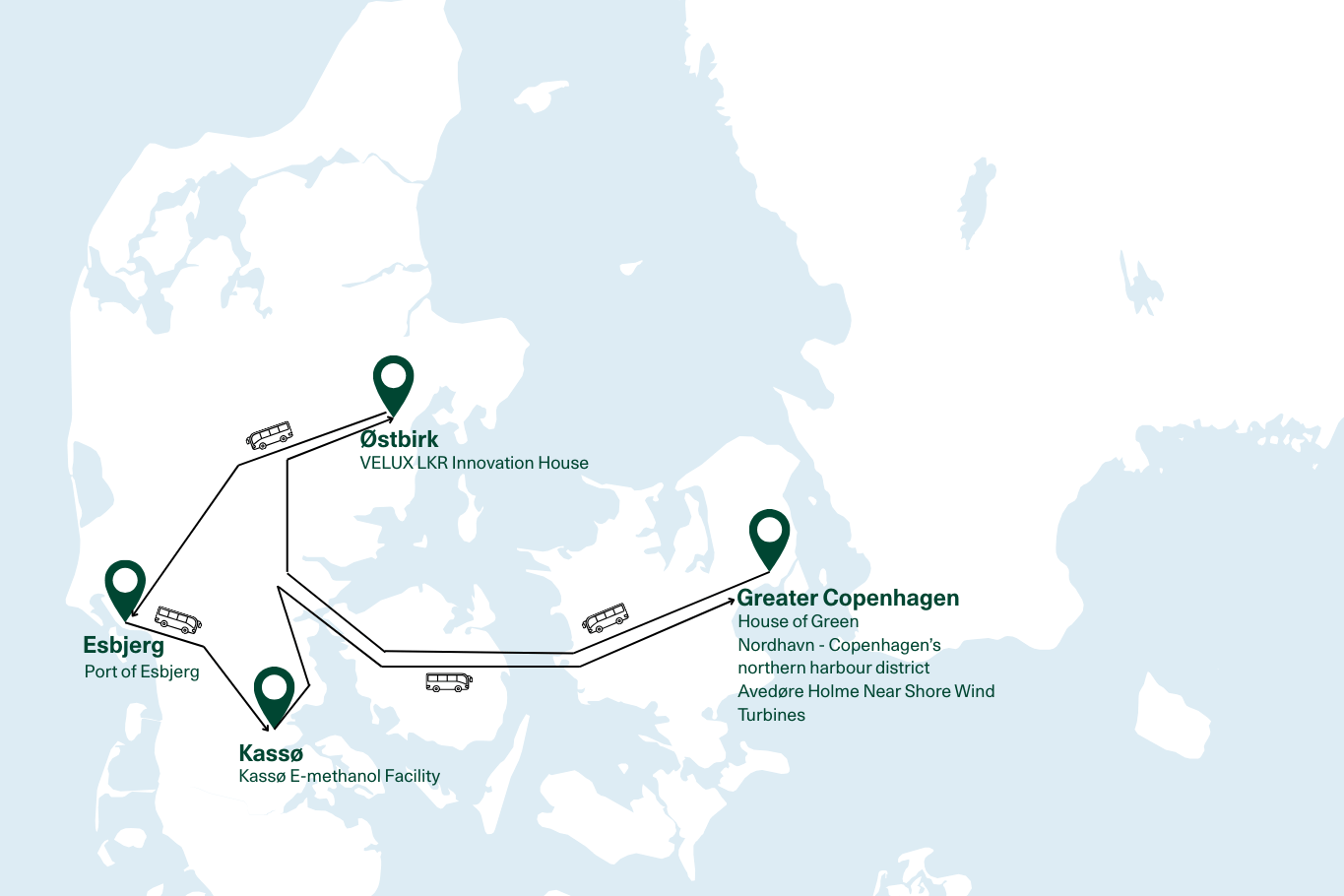
In the lead-up, State of Green and the Ministry of Foreign Affairs of Denmark invited a group of Australian journalists for a three-day press tour across Denmark, from Copenhagen in the east to the windy west coast of Esbjerg. The tour offered an in-depth look at Denmark’s renewable energy and green building ecosystem, covering everything from national policy and financing frameworks to offshore wind logistics and built-environment solutions. The programme was packed with site visits and interview sessions, providing a comprehensive insight into Denmark’s green transition.

Tag along – and discover the programme below.

Day 1: From local initiatives to government

On the first day of the press trip, the group arrived in Copenhagen to meet a diverse range of stakeholders united by a shared commitment to Denmark’s green transition – from local energy communities to leaders at the highest levels of Danish decision-making. These actors recognise that supporting the green transition is not only crucial for the climate, but also an integral part of a sustainable and future-proof business model.

The day’s packed agenda began at The Royal House in central Copenhagen, where Christian Schønau, Lord Chamberlain of the Royal Household of Denmark, welcomed the delegation. The Danish Royal Family shares a close relationship with Australia, and the planned state visit will mark the first official trip to Australia by the royal couple.

Next, the group visited the House of Green, where Charlotte Gjedde, Executive Director of State of Green, introduced Denmark’s green transition through key insights and examples. The delegation then heard from Christian Stenberg, Deputy Permanent Secretary at Denmark’s Ministry for Climate, Energy and Utilities, who detailed the Danish Government’s approach to renewable transformation, focusing on the role of legislation, policy frameworks, and long-term political stability.

Ole Thonke, Denmark’s Climate Ambassador at the Ministry of Foreign Affairs, followed with a discussion on the critical importance of global cooperation in tackling climate change, particularly in the context of the upcoming COP31, which Australia is co-hosting.

The session at House of Green concluded with a presentation by Peter Boeskov, COO of The Export and Investment Fund of Denmark (EIFO), on how to mobilise capital to accelerate the green transition. Per Mejnert, President of APAC at Ørsted, also shared Ørsted’s journey from fossil fuels to renewable energy, and how offshore wind can be part of a diverse and green energy system.

Denmark’s climate commitment unfolds at multiple levels of society. In the afternoon, the group visited Avedøre Holme, where local renewable energy initiatives are embedded in a broader energy landscape. Here, they met representatives from the energy community Hvidovre Vindmøllelaug and Energifællesskab Avedøre, illustrating how the transition is also driven from the ground up, with citizens engaging directly through co-ownership of wind and solar projects and building local support along the way.

The day concluded with a meeting with Lars Aagaard, Denmark’s Minister for Climate, Energy and Utilities, who shared insights into the development and current direction of Denmark’s climate policy, as the country works towards its legally binding target of a 70 per cent reduction in greenhouse gas emissions by 2030.
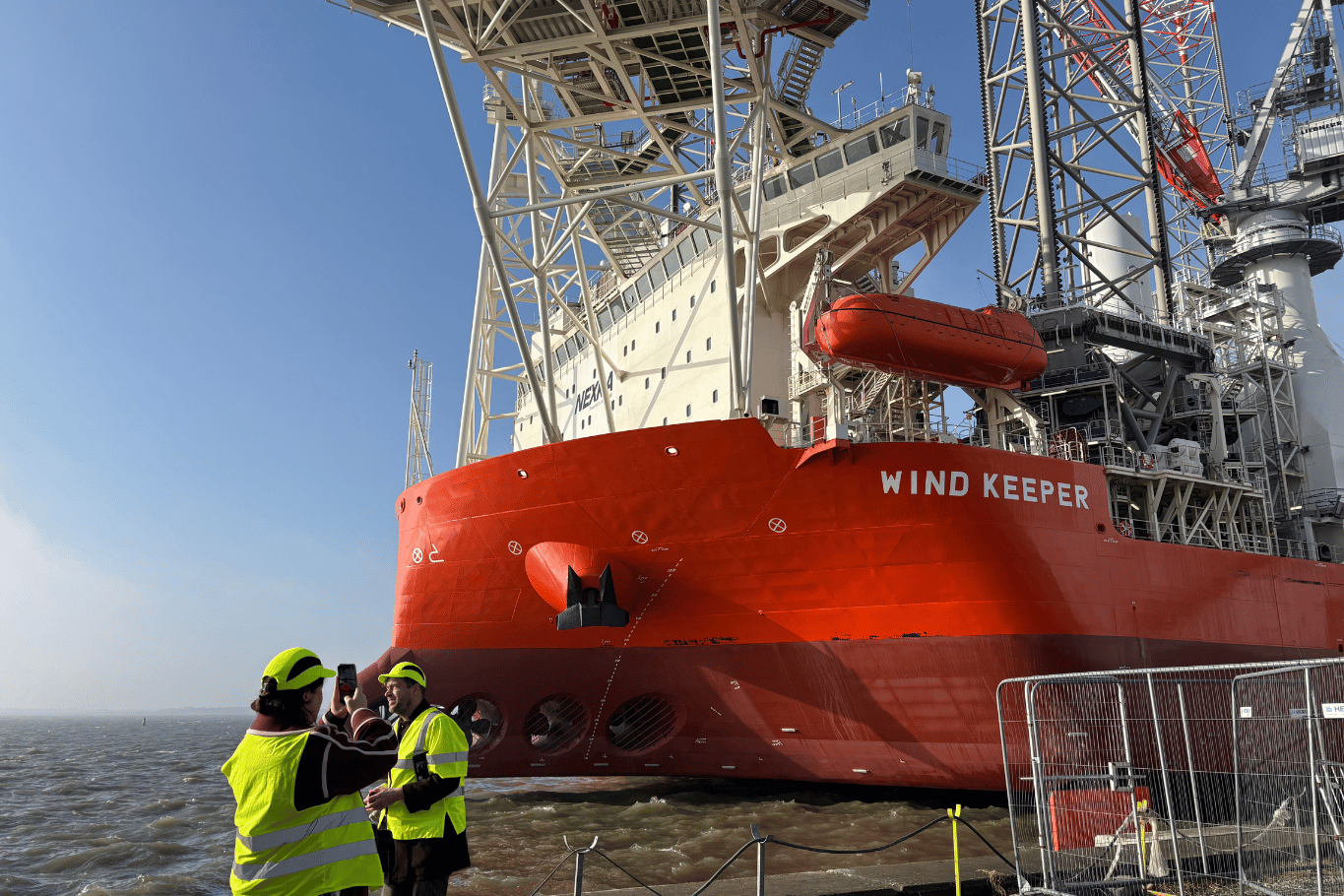
Press trip: Connecting Australian climate ambitions with Danish know-how

The press trip ahead of the official Danish state visit to Australia takes journalists from various Australian news outlets through Denmark’s renewable energy and green building ecosystem – from national policy and financing frameworks to offshore wind logistics and built-environment solutions.

Day 2: Green buildings and living places 

On the second day of the trip, the press delegation visited the Nordhavn district of Copenhagen: Denmark’s largest and most ambitious urban development project, transforming a former industrial port into a vibrant, sustainable waterfront community.The development of Nordhavn has been guided by a clear ambition to embed sustainability across planning, design, and operations. At the site, the delegation met with key developers, including Rambøll, Henning Larsen, 3xN Architects, Danfoss and Urban Partners, who shared insights into concrete solutions such as adaptive reuse of existing structures, recycling of building materials, low-carbon construction methods, energy-efficient building design, and district heating and cooling systems.

The day concluded in Østbirk, Jutland, at VELUX’s LKR Innovation House, a former timber warehouse reimagined as a modern, collaborative hub for sustainable building solutions. LKR Innovation House exemplifies innovation, combining creativity, collaboration, and product development in a space that reuses over 50% of its original materials, featuring cutting-edge laboratories, modern workspaces, and an optimised indoor climate.

Day 3: Ports and emerging technologies

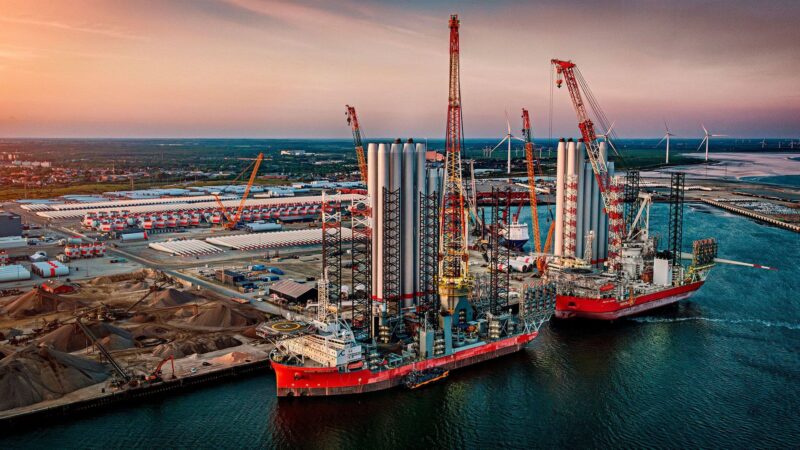
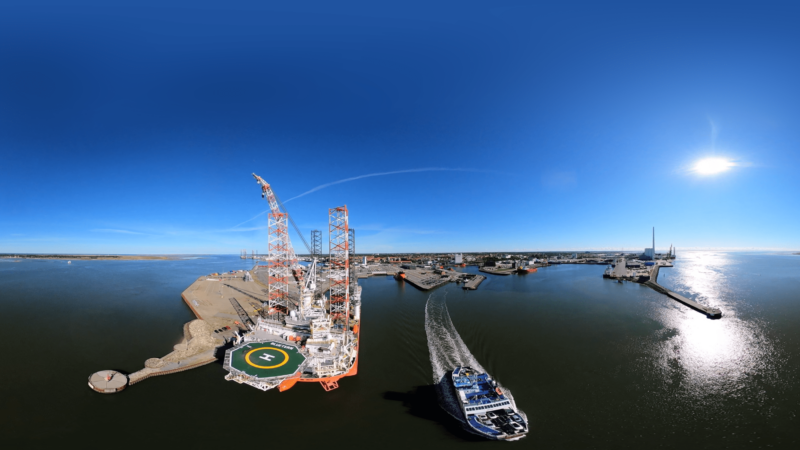
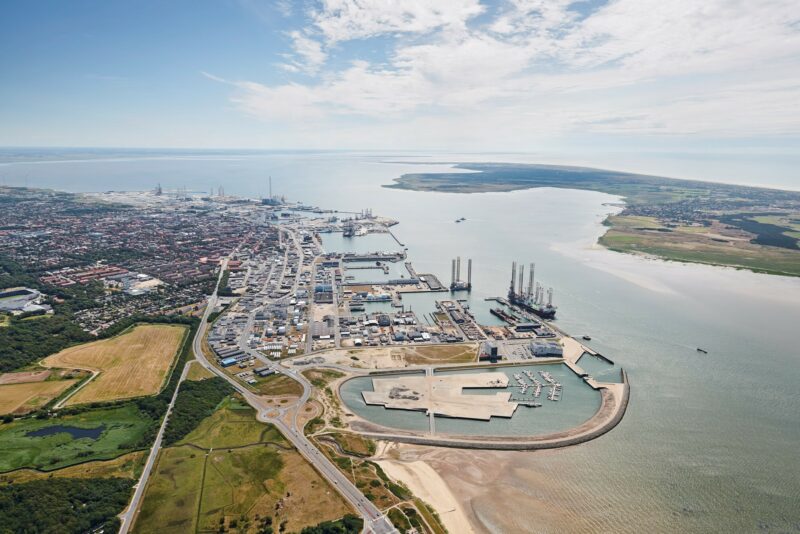
On the final day of the trip, the press delegation visited Port Esbjerg, the largest port in the North Sea, originally founded in 1874 to support fishing and trade. Over the years, the port has transformed into a vital hub for offshore wind energy logistics and services. The delegation was given a guided tour of the area, where they explored the port’s critical role in the green transition. They also had the opportunity to speak with local workers, including Kurt Mathiesen, Port Operations Assistant, and Jesper Bank, COO of Esbjerg Harbour, and Rune Callesen, Operations Manager at NorSea Denmark, about the port’s significant expansion – primarily driven by offshore wind – and how this development has strengthened local industry and created new jobs in the region.

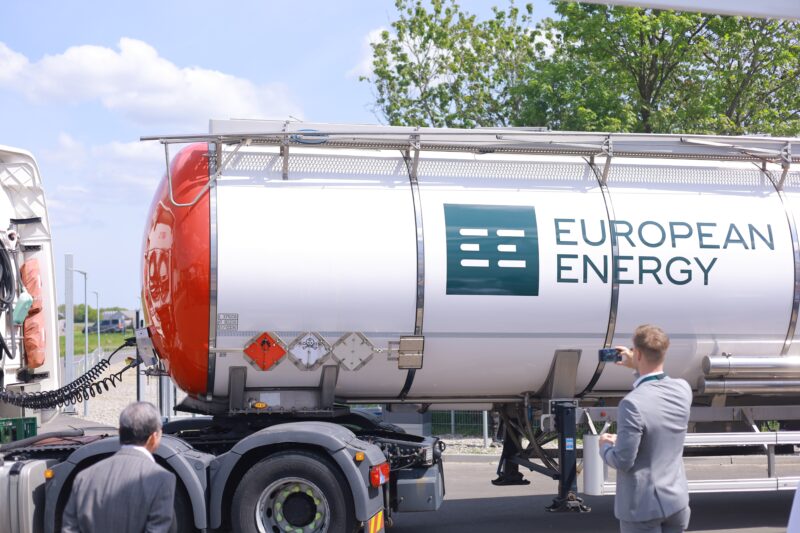
In the afternoon, the delegation travelled to Kassø in the Southern part of Jutland to visit the world’s first large-scale commercial e-methanol plant, powered primarely by a nearby solar park. Hosted by René Alcaraz Frederiksen, Director of Project Economics & Optimization at European Energy, the visit offered insight into the facility, which forms part of an ambitious effort to address emissions from hard-to-abate sectors, such as shipping and heavy industry, by converting renewable electricity into e-methanol using green hydrogen and biogenic CO₂. At Kassø the delegation also met with Brian Jensen, Partner at Copenhagen Infrastructure Partners (CIP), and Kristina Herold-Høgh, Director of Origination and Contract Management at Centrica Energy, who shared perspectives on how large-scale renewable energy sources – including offshore wind and solar – can strengthen energy security, and what this in turn requires in terms of grid flexibility, market design, and system management.

Discvoer the official state visit to Australia

Renewable energy

Discover how Denmark and Australia is partnering for clean, secure and affordable energy. Connect with future business partners and get inspired by the Australian-Danish collaboration driving solutions and change across borders.
Discover partners on renewable energy

Green buildings

Discover how Denmark and Australia is partnering for efficient and sustainable buildings. Connect with future business partners and get inspired by the Australian-Danish collaboration driving solutions towards a net-zero society.
Discover partners on green buildings

Danish strongholds

Discover how Denmark and Australia is partnering for a climate resilient tomorrow. Engage with potential business partners and discover the inspiring Australian-Danish collaboration paving the way for net-zero solutions.
Discover Danish strongholds

You should consider reading

Buildings
Electricity grid
Energy efficiency in buildings
Green buildings
Green financing
Green hydrogen
Green Shipping
Grid and infrastructure
Grid balancing
Job creation and just transition
Offshore wind
Power-to-x
Smart energy systems
Urban planning and development
Wind energy