Skip to content

Perspective

Green Shipping

Offshore wind

Scaling offshore wind to enable shipping’s green transition

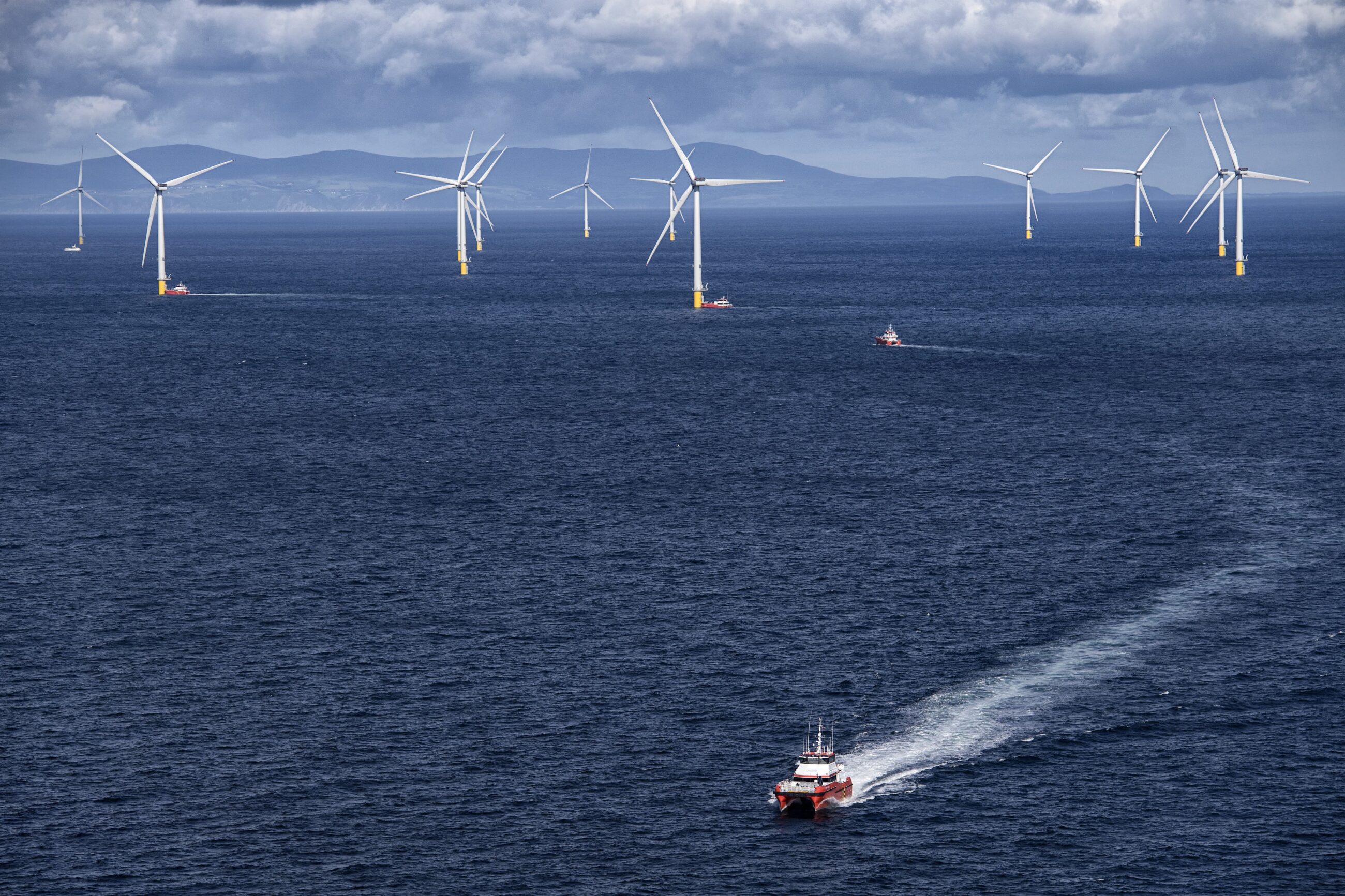
Offshore wind is the cornerstone for the green transition of shipping, both as a source of renewable power and as a sector built on maritime expertise.

Photo credit: Ørsted

image
19 September 2025

The scale-up of offshore wind is essential to shipping’s global transition to net zero, whether it concerns producing green hydrogen for fuels such as green ammonia and green methanol, or supplying electricity directly to battery-driven ships.

In 1972, Denmark started exploration of oil and gas in the North Sea. Two decades later, as a shift from fossil fuels to renewables picked up momentum, Denmark was the first country in the world to build an offshore wind farm. Today, wind energy is the backbone of Denmark’s electricity supply, covering more than 54 percent of Denmark’s electricity consumption in 2024.

Denmark’s energy transformation over the past decades has been shaped by grassroots movements, industrial pioneering, public engagement and an unwavering political commitment to phasing out fossil fuels. This history provides a solid foundation for accelerating the green transition in sectors like shipping.

Shipping’s rising demand for renewable energy

Shipping is beginning to adopt propulsion systems based on green energy sources. An increasing number of battery-driven vessels are in operation, and the first uses of green fuels produced from renewable energy are underway. However, much more wind energy is required if shipping is to fully transition to green energy-based propulsion.

The world’s 100,000 shipping vessels consume roughly 300 million tonnes of fuel every year. To replace this consumption and meet the net-zero target with green fuels, the shipping industry alone would require three to four times the renewable energy capacity Europe has today. It is crucial that this energy is additional and not diverted from the broader electrification of society, which often achieves a higher greenhouse gas reduction per green electron.

Scaling offshore wind to meet future energy needs

To meet the need for a massive build-out of renewables, nine North Sea and neighbouring countries signed the Ostend Declaration, committing to 300 GW offshore wind by 2050. Similarly, the Baltic Sea nations joined forces in Denmark, where the Marienborg Declaration was signed which set the target of expanding the regions offshore wind capacity to 93 GW by 2050. Combined, these commitments from countries in the Baltic and North Seas amount to 393 GW of offshore wind by 2050.

How shipping supports offshore wind

While the maritime sector is dependent on the wind sector for renewable energy production, the wind sector will continue to rely on maritime vessels and expertise. Ships are necessary for transporting and installing turbines, playing a crucial role in the build-out, operation and maintenance of offshore wind farms.

As turbines grow larger, there is an increasing demand for more advanced vessels that can handle the massive components in the changing conditions at sea. The maritime sector also provides skilled personnel, certified to operate safely at open sea in difficult environments and at great heights.

Denmark’s maritime sector has played a vital role in enabling the offshore wind industry to evolve from a niche technology into a vital source for green energy globally. With more than three decades of experience since creating the world’s first offshore wind farm, Danish shipping companies have set international standards in wind installation, transport and servicing.

Green shipping publication

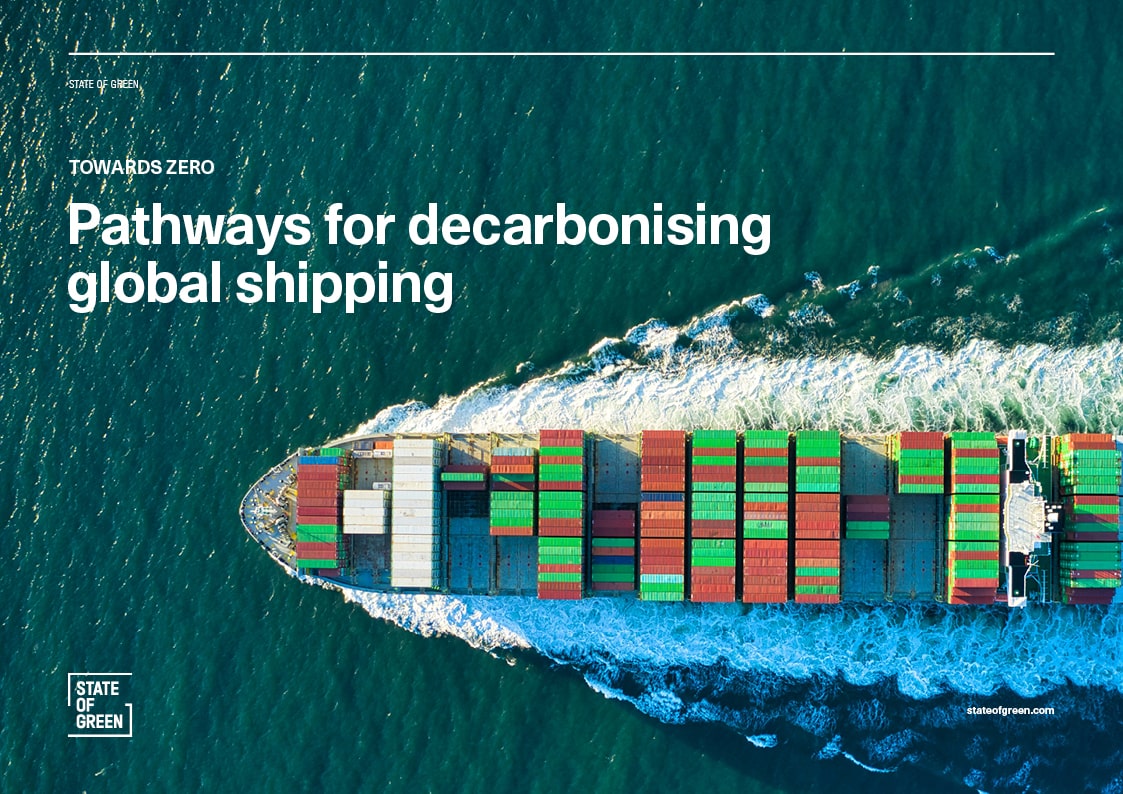
Publication: 'Towards Zero: Pathways towards decarbonising global shipping'

Building on longstanding maritime traditions, Denmark is committed to accelerating the global transition towards climate-neutral shipping and finding ways to overcome regulatory, financial, technological, and political barriers. Dive in to Denmark’s push to decarbonise global shipping by exploring this white paper.

Discover the publication

You should consider reading

Green Shipping
Offshore wind