Skip to content

Perspective

Green Shipping

Carbon capture, storage and utilisation

Realising the potential for carbon capture, utilisation and storage

Denmark is using its strong maritime and offshore expertise to become a key hub for transporting and storing captured CO₂, helping meet Europe’s climate targets.

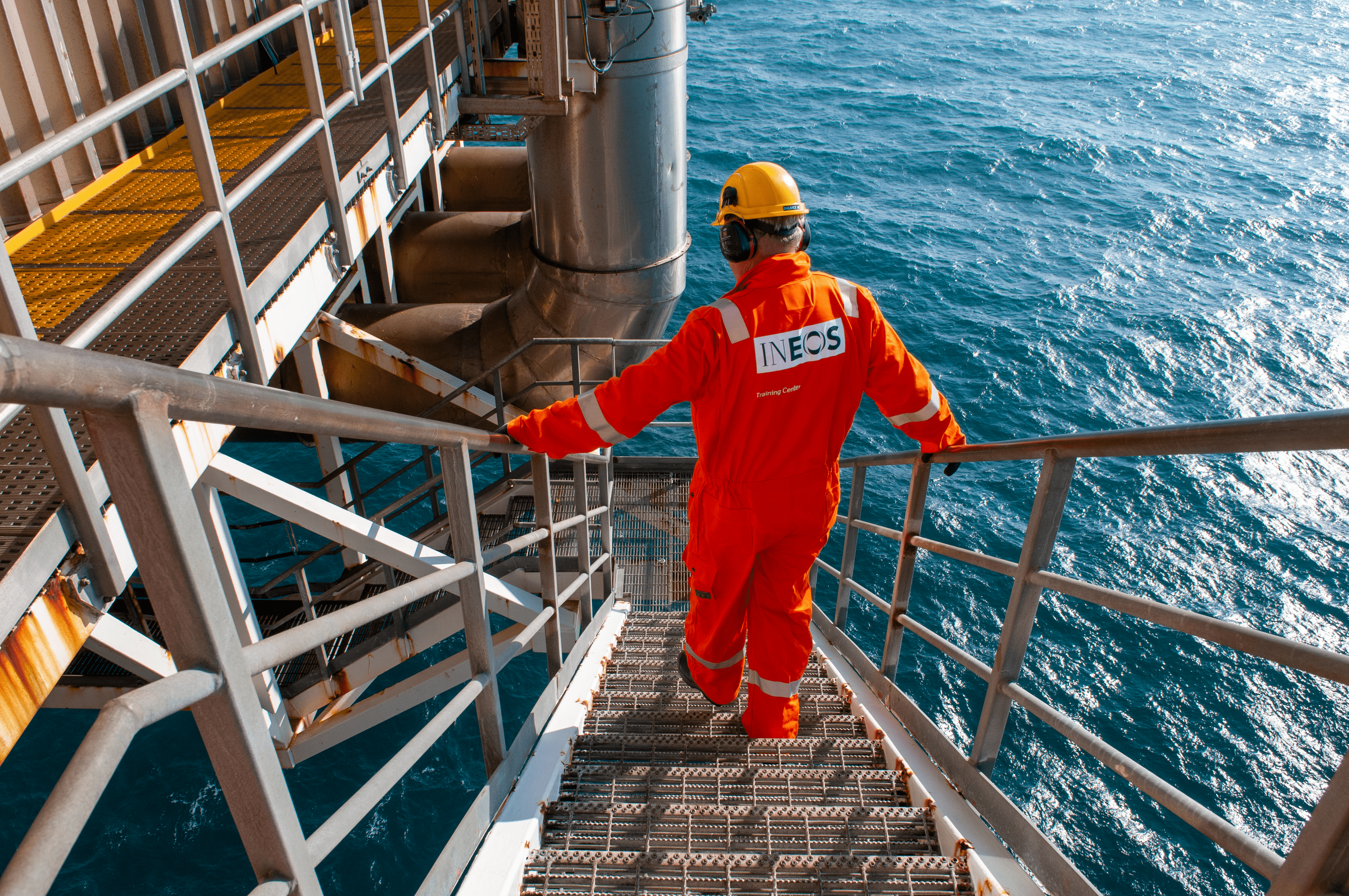
Photo credit: Ineos

image
19 September 2025

As a strong shipping nation and a key player in developing energy technologies, Denmark is well-positioned to drive the development of carbon capture, utilisation and storage (CCUS) across Europe. Danish shipowners, port operators and specialists in the offshore sector are ready to support the entire CCUS value chain. Especially in the safe and efficient transport of captured CO₂ to offshore storage sites and across the ocean for onshore storage.

Storing CO₂ is essential for Europe to reach its goals of climate neutrality by 2050 and mitigate the effects of climate change globally. This is why Denmark is pushing for developing commercial-scale CO₂ storage in EU. Denmark’s subsoil holds a storage potential of enough CO₂ to cover several hundred years of the country’s current annual emissions. Most of this capacity lies beneath the Danish part of the North Sea, making it a strategic location for storing CO₂ from hard-to-abate sectors like cement production or waste-to-energy plants.

Realising the North Sea’s storage potential depends heavily on the maritime sector. Ships are essential in transporting captured CO₂ from hubs, often located by ports across Europe, to offshore storage. This is important where pipelines are not feasible or cost-effective. In such cases, ports with large emitters are ideal sites for CO2 hubs. Ports can streamline the logistics by integrating the collection, liquefaction and transportation of CO₂.

Why CO₂ is key to scaling green shipping fuels

When it comes to the future of green shipping, CCUS and green fuels are interlinked. In the production of green fuels, CO₂ from biogenic sources like sustainable biomass, biogas and organic waste is necessary to turn green hydrogen into certain green fuels like e-methanol. Instead of storing all captured CO₂ underground, a share can be recycled into green fuel as production scales. With shipping responsible for nearly three percent of global emissions, scaling e-methanol production requires a steady CO2 supply to meet climate goals. By setting clear targets and developing supportive regulations, the EU is driving towards a robust CCUS market. Achieving EU’s goal of climate neutrality by 2050 means capturing around 550 million tonnes of CO₂ each year, with up to 300 million tonnes needing to be stored. The EU’s Net-Zero Industry Act from 2024 underlines carbon capture as a key net-zero technology.

For green shipping, progress will depend on new energy technologies such as CCUS and the conversion to green fuels. All areas where Denmark is closely involved.

Green shipping publication

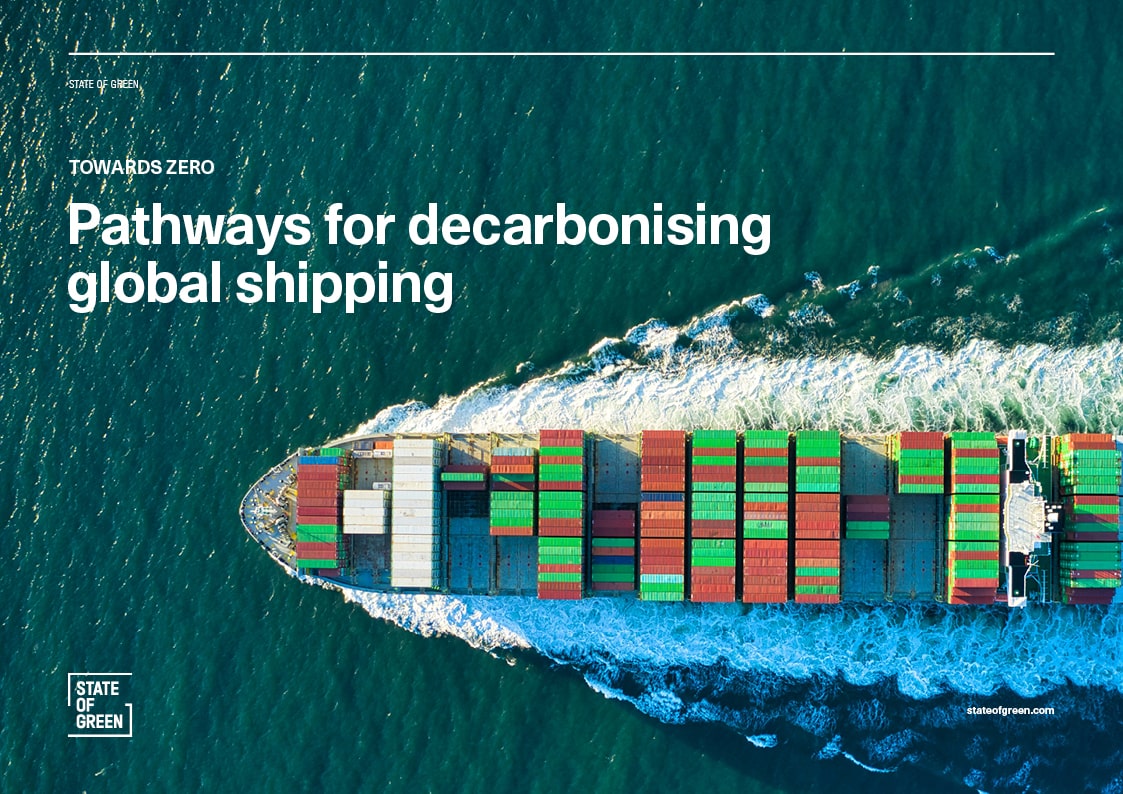
Publication: 'Towards Zero: Pathways towards decarbonising global shipping'

Building on longstanding maritime traditions, Denmark is committed to accelerating the global transition towards climate-neutral shipping and finding ways to overcome regulatory, financial, technological, and political barriers. Dive in to Denmark’s push to decarbonise global shipping by exploring this white paper.

Discover the publication

Discover carbon capture, utilisation and storage (CCUS)

Carbon capture, storage, and utilisation (CCSU) are important tools for reducing emissions and accelerating the green transition. Through technologies like power-to-x, we can use the CO2e we already emit as a sustainable energy and fuel in other sectors.

As the North Sea is already considered a prime location for potential CO2 storage in Europe, Danish shipping plays an increasingly important role in not only storage operation, but also the maritime CO2 transportation across Europe. This focus marks the next phase in Denmark’s energy transition.

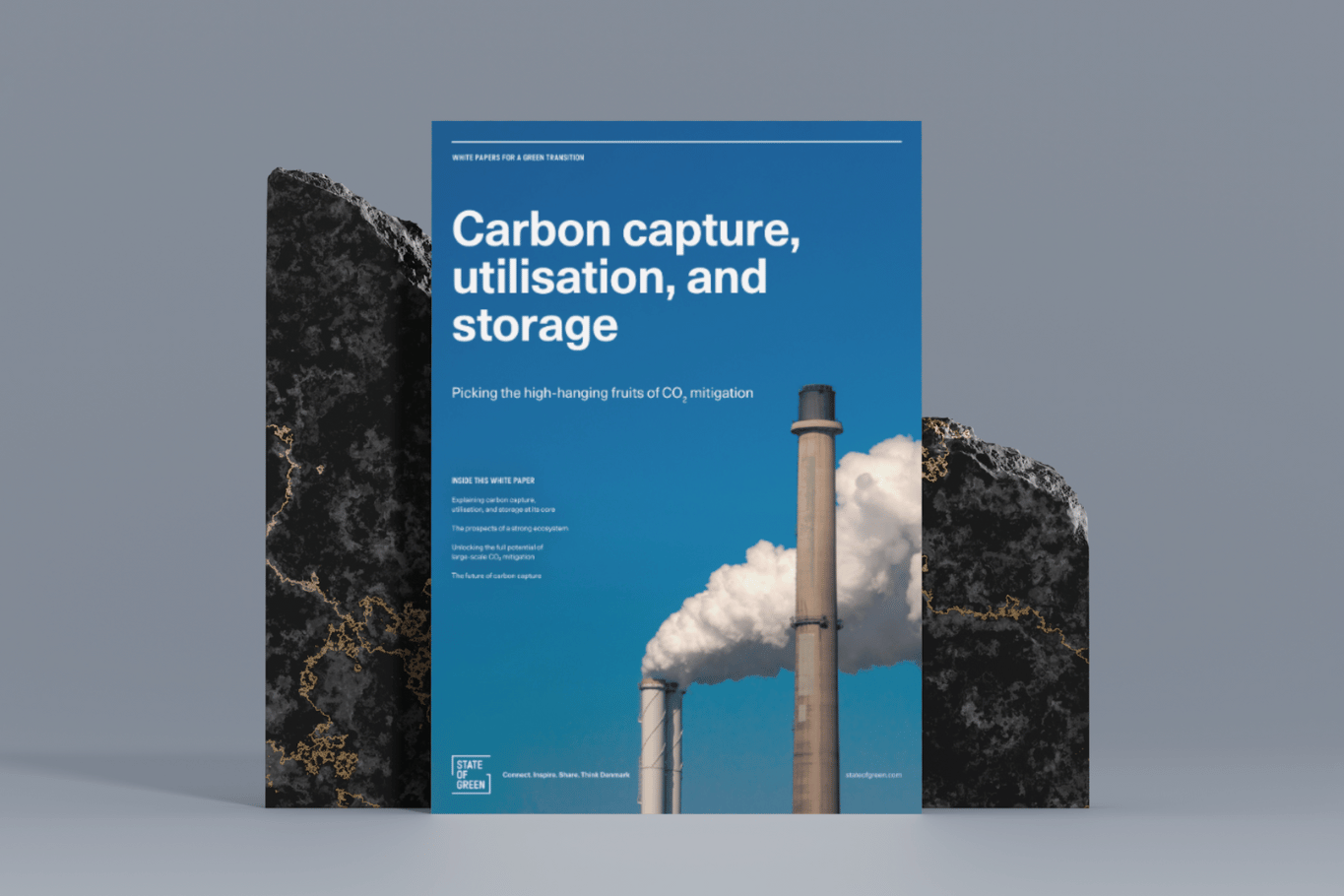
Learn more about picking the high-hanging fruits of CO2 mitigation in this white paper about carbon capture, utilisation, and storage.

Discover the publication

You should consider reading

Carbon capture, storage and utilisation
Green Shipping

Solution

Building design

+20

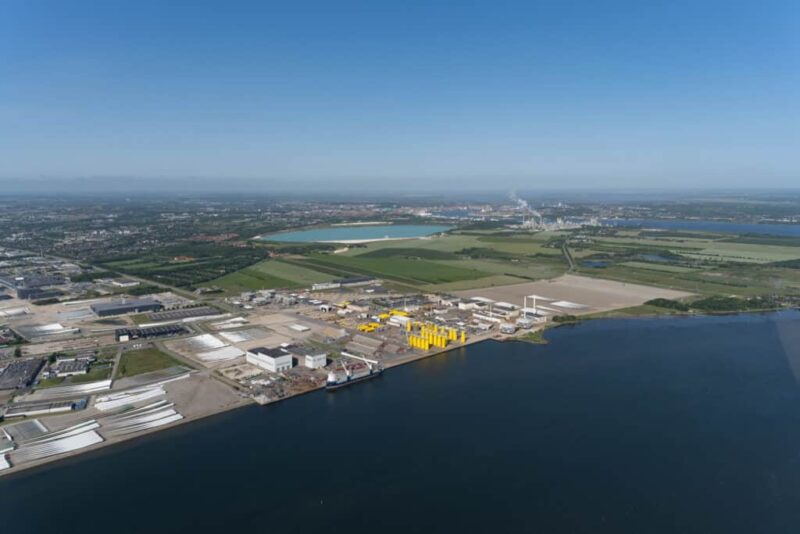
Renewables Focus with Port Development

2 April 2026
A European municipality sought to define a clear vision for transforming an industrial area into a hub for renewable energy manufacturing, while aligning stakeholders including municipal staff and elected officials.