Technology and innovation are central to advancing the global green transition. Denmark is well-positioned to serve as a living lab for CCUS, fostering innovation and testing new solutions in real-world conditions. Securing skilled professionals and attracting global companies is crucial to filling the gaps in the existing workforce and strengthening the talent base. This not only supports economic growth but also enhances the competitiveness of Danish companies, researchers, and institutions, reinforcing Denmark’s position as a leading knowledge society.
CCUS as a driver of job creation
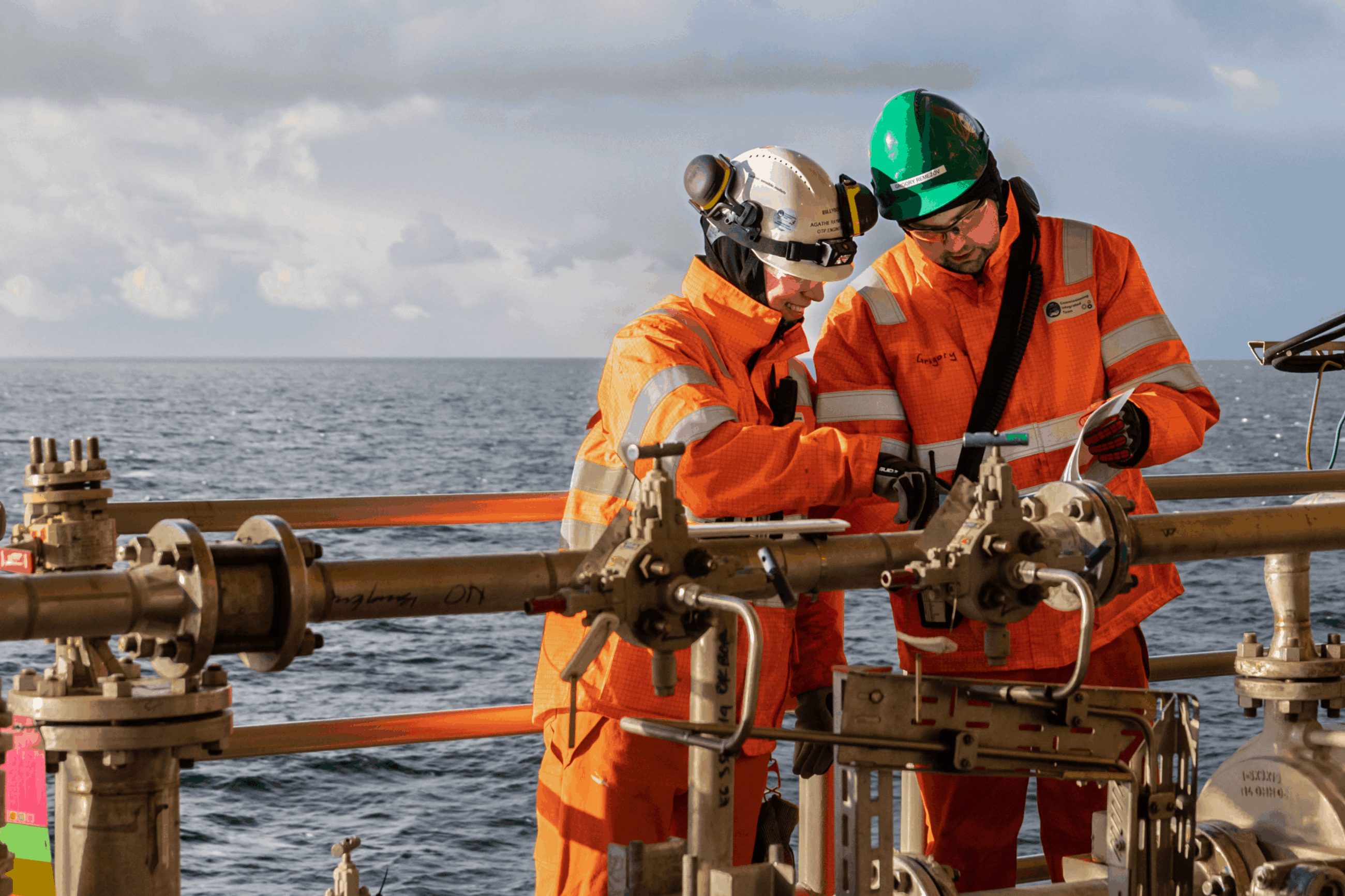
Analyses indicate the significant job potential of CCUS. The Danish Metalworkers Union estimates that repurposing fields in the North Sea for CO₂ storage alone could support more than 3,000 jobs. Offshore storage sites draw on the same knowledge and skills required for operating oil fields. This allows workers, whether electricians or engineers, to transition seamlessly into the new sector.
At a broader scale, think tank Kraka projects that the European market for CO₂ capture and storage could grow by EUR 60 to 134 billion, creating between 75,000 and 170,000 jobs across sectors directly and indirectly involved with capturing and storing CO2. E.g., jobs will be created in the production of new equipment such as capture systems, leakage monitoring, or transport containers. That said, these jobs largely represent a shift of labour from other industries, meaning capturing and storing CO2 is unlikely to raise overall employment levels.
With flexible business conditions and an internationally oriented workforce, Denmark is building a nationwide CCUS ecosystem that positions the country as a hub for CO₂ storage and utilisation.
How Denmark is upskilling for a future CCUS workforce
Some of the ways Denmark is upskilling its workforce include offering specialised courses to supplement existing skills, as well as new degrees and educational programmes directly focused on CCUS. For instance, Danish universities are developing master’s courses and professional training programmes that cover CO₂ capture technologies, storage solutions, and utilisation pathways.
At the same time, vocational institutions and industry partnerships are providing short courses and certifications to equip engineers, technicians, and project managers with practical skills in operating capture facilities, handling CO₂ transport, and implementing monitoring systems.
This dual approach ensures that Denmark can strengthen the expertise of its current workforce while also cultivating a new generation of professionals with specialised knowledge in CCUS, directly supporting the country’s ambitions to scale up CO₂ storage and utilisation solutions.