Skip to content

News

Sector coupling

District heating

Power-to-x

Excess heat from Kassø PtX facility is now used in Denmark’s district heating network

Excess heat from European Energy's Kassø PtX facility is now integrated into Denmark's district heating network, supporting decarbonisation and optimizing energy use across sectors.

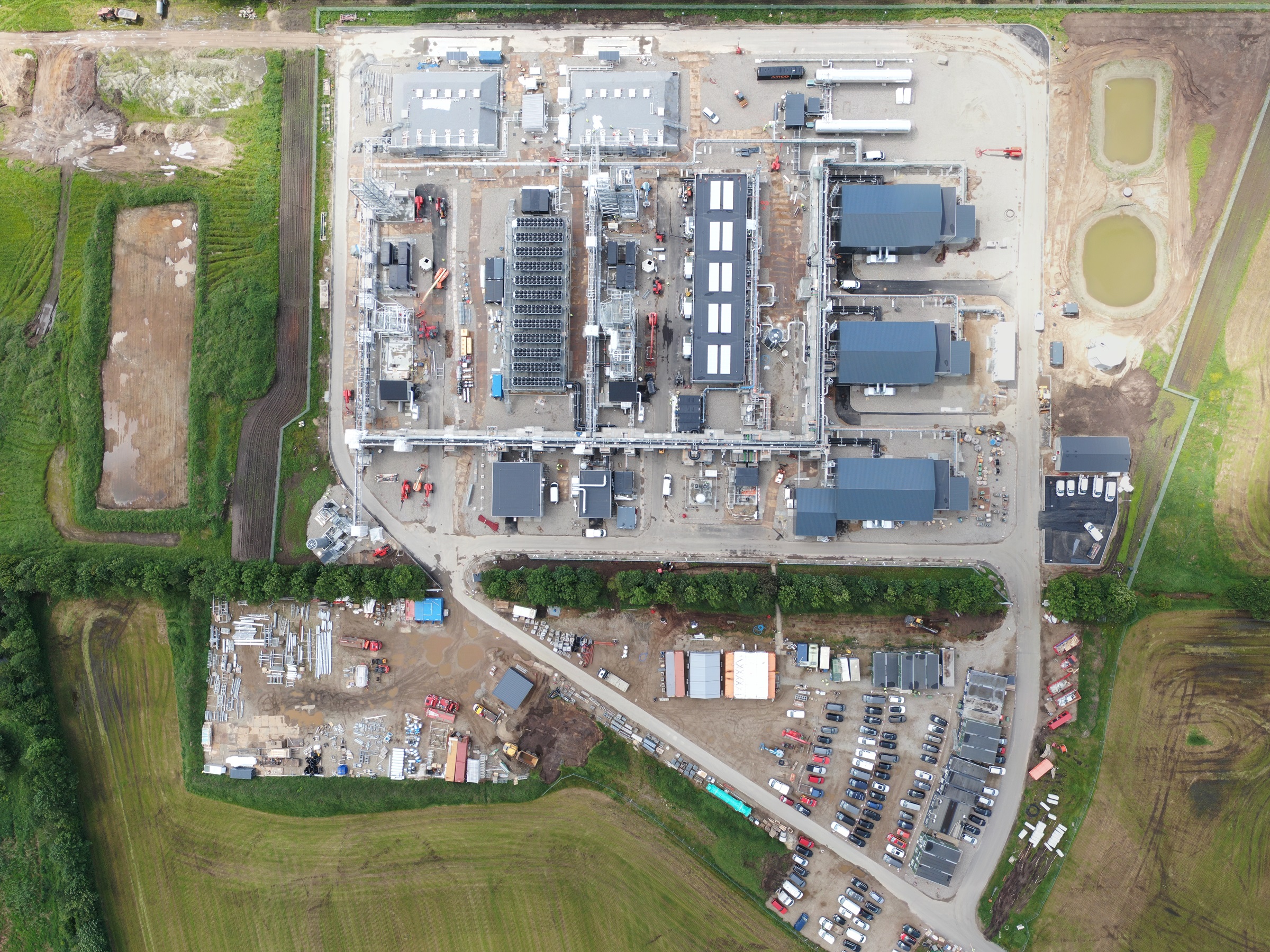
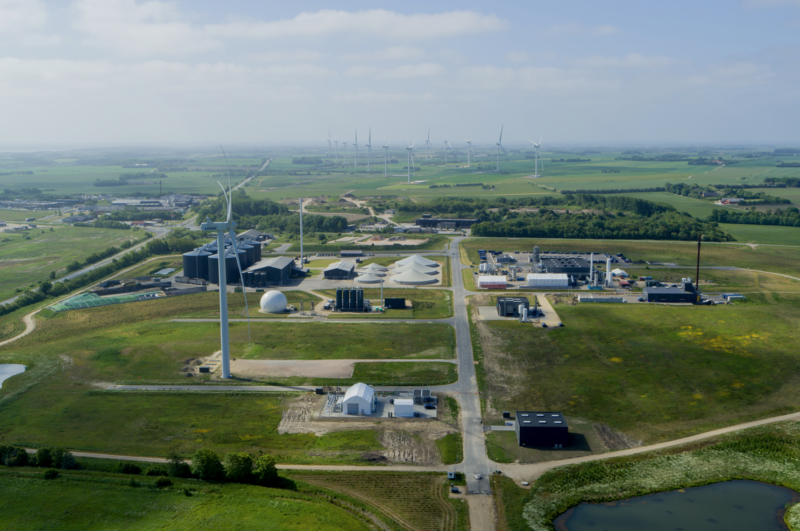
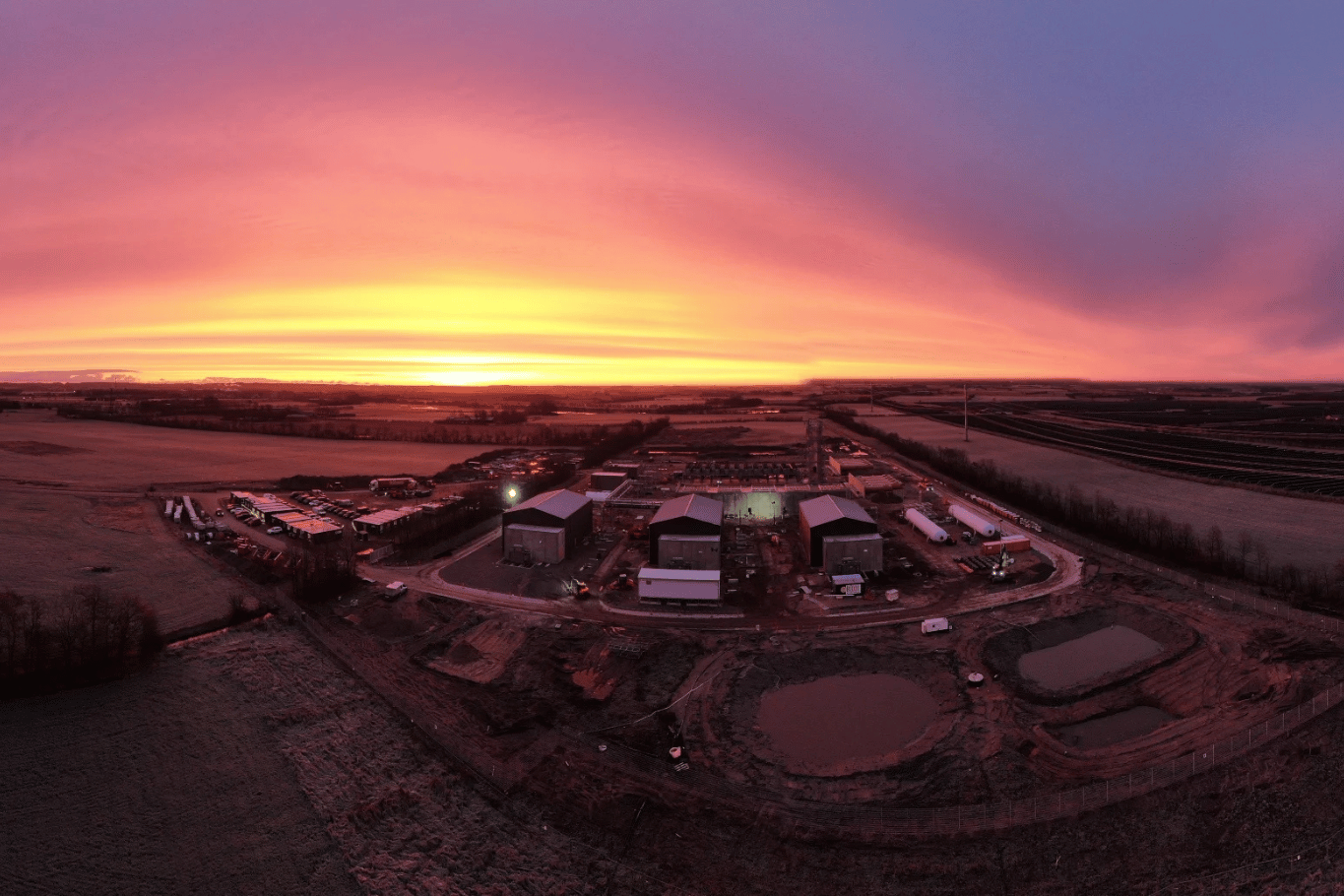
Kassø PtX facility. Photo credit: European Energy

image
3 September 2025

After years of preparation, the excess heat from European Energy’s large Power-to-X (PtX) facility in Kassø has now been successfully integrated into the local district heating network. In May, the PtX plant was inaugurated, and in June, the first commercial deliveries of excess heat began flowing to Aabenraa Fjernvarme. Since then, these deliveries have amounted to a seven-digit number of kilowatt-hours.

Rene Alcaraz Frederiksen, Director of Kassø PtX at European Energy, stated to Energy Supply, “In this first phase, we have already delivered more than 1 million kWh of excess heat to the local network.” This energy is enough to cover a full year’s heating needs for nearly 60 households.

Read the full article at Energy Supply

The world’s largest green methanol plant fuels green shipping and industry

The Kassø PtX project, located in Southern Denmark, is the world’s first large-scale green methanol plant, set to produce up to 42,000 tonnes of e-methanol annually using solar-powered green hydrogen and biogenic CO2. Excess heat from this process, according to plans, will be repurposed to supply district heating for up to 3,300 households, contributing to CO2 reduction in sectors such as shipping, aviation, and industry.

Discover the Kassø project

Integrating energy through sector coupling

The energy being delivered comes from the water used in the electrolysis process at Kassø. This water, which exits the facility at a temperature of around 50 degrees Celsius, is upgraded to 65-72 degrees Celsius using a heat pump before being pumped into the district heating network.

While the heat delivery from the electrolysis facility is not constant, it fluctuates between 0 and 8 MW depending on methanol production.

“We work closely with Aabenraa Fjernvarme and share our expected production profile so they can adjust their biomass consumption accordingly,” Frederiksen explained. So far, the facility has reached a load level of 4-5 MW and expects to reach full capacity of 8 MW by the end of the year.

In addition to Kassø, European Energy is also running a smaller-scale test facility in Måde, near Esbjerg, where excess heat is already being supplied to Din Forsyning. “Although on a smaller scale, this demonstrates how the excess heat from our projects can contribute to local district heating systems. We are also in dialogue with Aabenraa Fjernvarme and others interested in receiving excess heat,” Frederiksen said.

Also read: Denmark’s latest hydrogen plant is now operational
The potential of sector coupling

Sector coupling – the integration of different energy systems such as electricity, heat, and gas – is a key element in the transition to a sustainable energy future. By utilising excess heat from projects like Kassø and Måde, renewable energy sources can be better integrated into existing infrastructure, reducing waste and optimising energy use across sectors.

For Aabenraa Fjernvarme, the excess heat from Kassø is just one of three projects aimed at optimising energy use. The company is also working on a 1 MW heat pump at Aabenraa Hospital and a 4.5 MW heat pump at a local wastewater treatment plant. Together, these projects, including Kassø, are expected to deliver nearly 30 percent of the company’s base load.

This integration of excess heat into district heating networks highlights the growing role of sector coupling in Denmark’s energy landscape, offering not just efficiency but also a cleaner, more flexible energy system.

Sector coupling explained

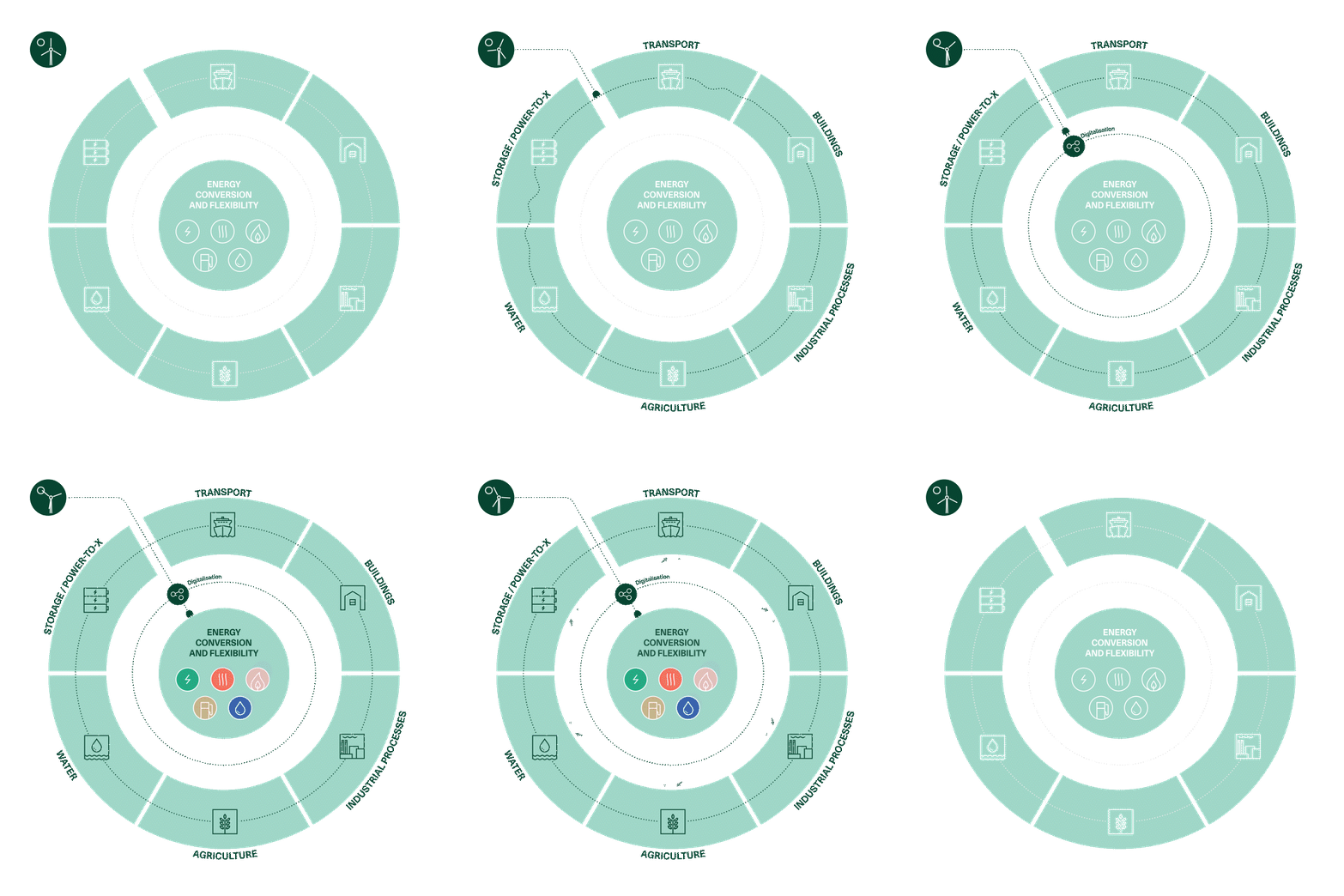
This model illustrates a simplified model of sector coupling with an emphasis on energy. The main catalyst for decarbonising energy use is the shift from fossil fuels to green electricity via direct electrification, depicted by the green line linking the six application areas in the model: transport, buildings, industrial processes, agriculture, water management, and storage/Power-to-X.

Sector coupling explained video

You should consider reading

District heating
Power-to-x
Sector coupling

Solution

Digitalisation

+7

Floating Offshore Wind Solution Suite

2 April 2026
A US engineering firm sought to commercialise a floating offshore wind technology, requiring a clear market strategy, product-market fit, and access to capital to enable entry into competitive global markets.