Event details
Dates
20 sept - 27 sept
Where
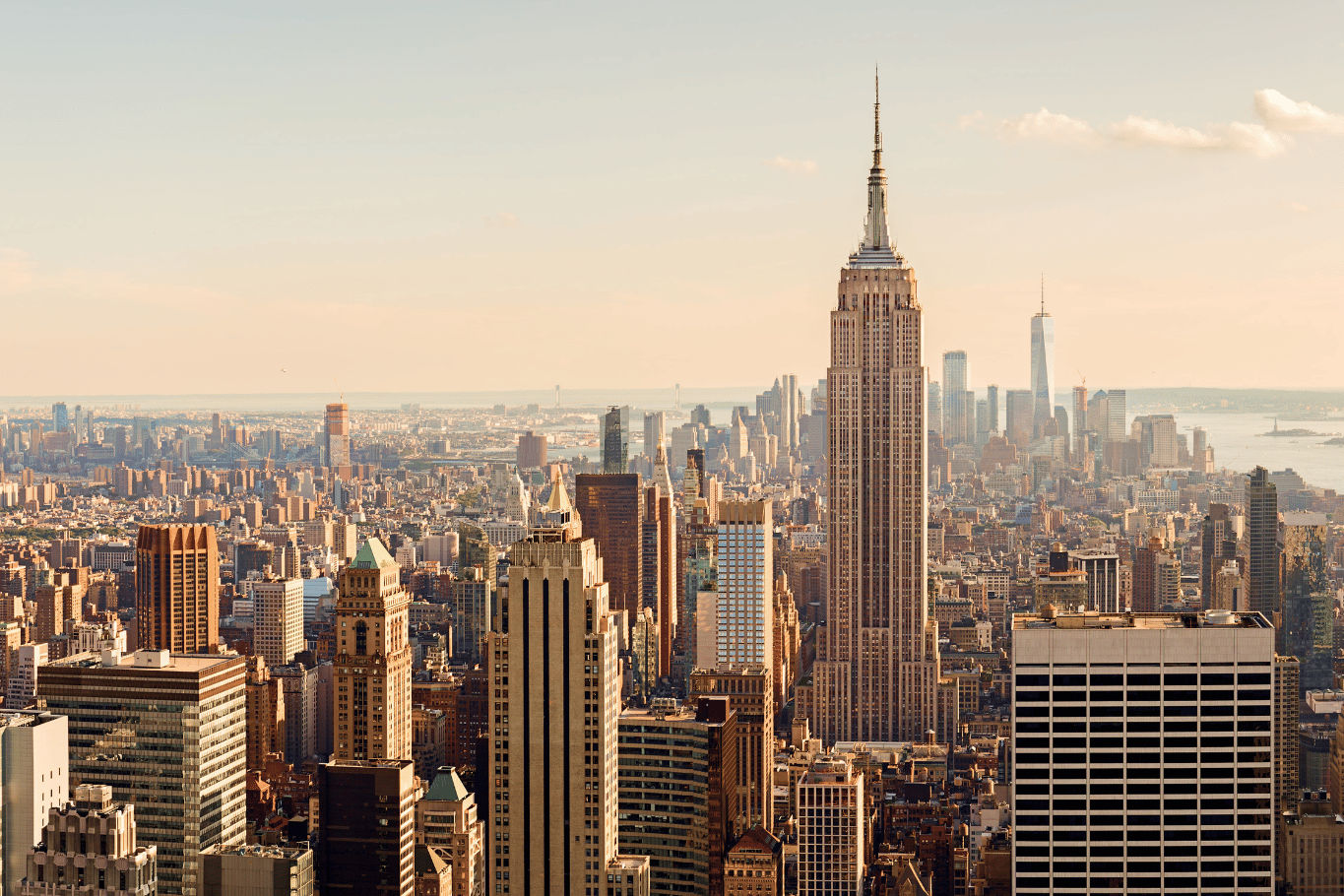
New York City, United States of America
Physical event
Partnerships
Green financing
Resource efficient production
+1
Taking place alongside UN General Assembly, New York Climate Week is a global platform where world leaders, businesses and civil society come together to discuss and strategize on tackling the pressing issue of climate change. State of Green will be present to facilitate dialogue and spur international partnerships.

Victoria Kimberly Kristensen
Head of International Events and Partnerships
With global emissions still off track and the impacts of climate change intensifying, 2026 stands as a pivotal year for turning ambition into implementation. At this year’s New York Climate Week, the focus is on accelerating collective efforts ahead of COP31 in Antalya, Türkiye, where the world meets once again to raise climate ambition accordingly.
Key discussions will centre around how to:
In this context, State of Green will once again highlight the strength of public-private partnerships and showcase scalable, green solutions from Denmark that can contribute to global progress.
Keep updated on this page, or reach out for the latest news about the Danish events at New York Climate Week.

Climate Week NYC is organized by Climate Group, an international organization that has driven climate action for over 20 years by convening leaders across business and government. Taking place alongside the UN General Assembly, our event brings together the decision-makers and experts shaping capital, policy and markets across sectors and regions.
Read more about Climate Week NYCDuring New York Climate Action Week State of Green will be hosting and participating in activities in the following focus areas:
The disappointing outcomes of COP30 have once again demonstrated the magnitude of the challenges facing international climate cooperation. Despite strong intentions from many governments, the conference fell short of delivering robust, actionable progress — especially regarding the phaseout of fossil fuels, accelerating the adoption of renewable energy, and enhancing global energy efficiency.
State of Green is hosting a closed high-level gathering during New York Climate Action Week to catalyse ambition and action between COP30 and COP31 by convening leading voices from government and business around climate solutions, clean energy, and public-private partnerships.
This event is by invitation only.
Developing countries face investment needs of USD 3.1–3.5 trillion a year by 2030, requiring far more private capital than public finance alone can provide. Development banks already mobilise most private development finance, but results fall short and mobilisation is often treated as secondary rather than core.
Together with OECD and the Danish Ministry of Foreign Affaird, State of Green is hosting a roundtable session that explores how country-led investment plans, better risk data and stronger capital markets can turn institutional reform into practical collaboration between governments, investors and businesses.
Volatility in global energy markets is strengthening the case for homegrown energy: renewables-based, privately financed and locally owned. In the US, states like Texas show how private capital and state-level momentum can drive a renewable buildout. Denmark offers a longer reference point, moving from over 99% import dependency after the 1970s oil crisis to a grid based on more than 60% homegrown renewables, with comparatively stable, low prices through the current energy crisis.
Hosted with BloombergNEF and World Climate Foundation’s Future of Energy Coalition, this roundtable explores how to mobilise more private capital toward secure, affordable and independent energy systems.
Global electricity demand from data centres is set to more than double by 2030, led by the US, where grid demand is projected to grow from 64.4 GW in 2025 to 183.2 GW by 2030. Grid capacity is becoming a critical constraint: more than 2,500 GW of renewables, storage and large-load projects, including data centres, are stalled in connection queues worldwide, with new US projects typically waiting around five years to connect. This is driving new approaches such as onsite generation and flexible grid connection, alongside growing attention to water, heat and local impact.
Together with Bloomberg NEF, State of Green is hosting a roundtable session explores how data centres can combine resource efficiency, system integration and local value as the sector grows









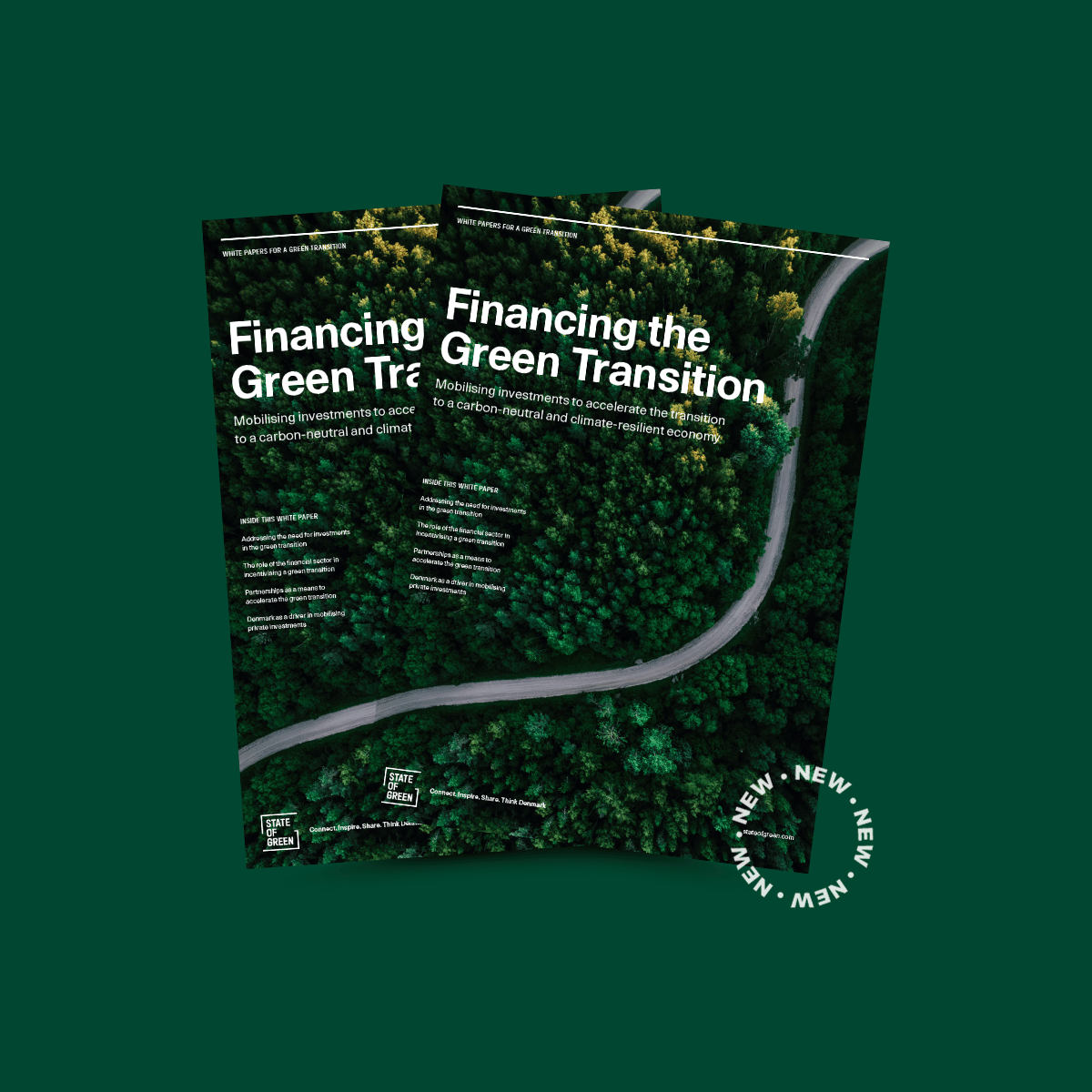
The world urgently needs to transform energy systems, reduce CO2 emissions, conserve natural resources, increase biodiversity, and increase climate resilience through adaptation measures in a socially just manner.
This white paper seeks to provide a comprehensive overview of key aspects of financing the global green transition. By exploring successful examples of green financing measures, it aims to create mutual understanding among key stakeholders and inspire decision-makers to take steps to accelerate the green transition.