News
Energy efficiency in buildings
Rethinking Supermarket Energy Demand with Integrated Systems
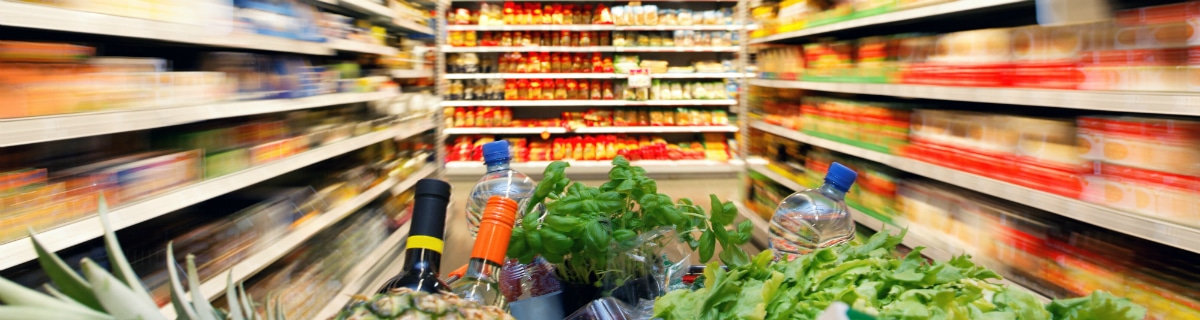

Every day, refrigeration systems in supermarkets consume a great deal of energy to maintain a high food quality for consumers all over the world. Most supermarkets expel the heat produced during the cooling process into the air outside, but considerable energy savings could be obtained through large-scale heat retention. This is easily done if the refrigeration system is integrated with the existing heating, ventilation and air-conditioning (HVAC) system. In the long run, any excess heat not used by the supermarket itself could be exported to a smart district heating grid, and the quantity could depend on the electricity price to obtain the optimal business case.
Creating both economic and environmental capital
Not only supermarkets, but also buildings with high ventilation rates such as movie theaters, hospitals and hotels are suitable for integrated systems. For instance, in an effort to increase the exploitation of refrigeration system waste heat, one installation requirement could be that refrigeration or air-conditioning systems are only installed when integrated with a heat using entity.
Along with the positive environmental impact that energy recovery has on reduction of CO2 emissions, businesses will also make a profit from reduced heat costs and some retail stores could even obtain a revenue, selling excess heat to external users.
Integrated systems can optimise energy demand and fit perfectly into the “smart energy” agenda, however policy-makers have yet to become aware of this. Traditionally, heating and cooling systems have been considered opposite to each other, perhaps because the necessary technologies have not been in place. Today they are, and this calls for rethinking energy demands with integrated systems.
For more news, visit our Newsroom
Source: Danfoss