News
Wind farm planning and development
Wind turbine manufacturing and components
World’s largest rotor blades will be put up in Denmark
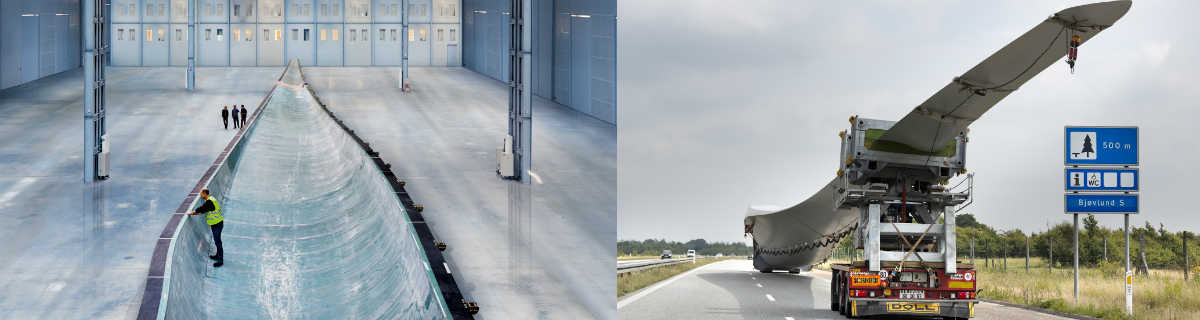

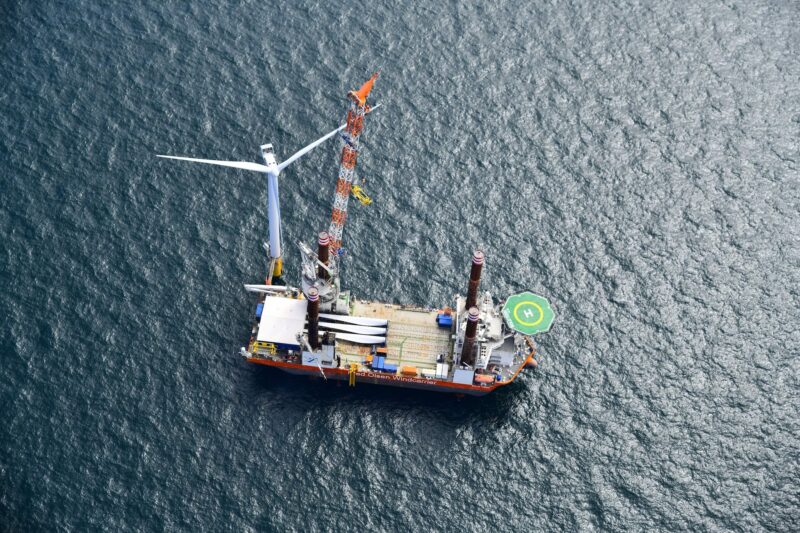
With a length of 75 meters, Siemens has built the world's largest rotor blades for wind turbines. The giant components made of fiber glass will be used by Siemens' new offshore wind turbine generation with a capacity of 6 megawatts (MW). They will be installed on the first prototype of Siemens' 6-MW offshore wind turbine with the 154-meter-rotor, which will be erected this summer in Denmark's Østerild.
Record-breaking rotor
Each rotor has a diameter of 154 meters covering 18,600 square meters, which is the size of two and a half soccer fields. The tips of the blades move at up to 80 meters per second, or 290 kilometers per hour.
The huge rotor was made possible by special technologies that enable Siemens to make extremely strong yet lightweight structures. If the B75 Quantum blade were produced using traditional technology, it would be 10-20 percent heavier. The B75 blade is the world's largest fiberglass component cast in one piece.
See video and pictures of the world's longest rotor blades here
Size goes up, prize goes down
Henrik Stiesdal, CTO at Siemens Wind Power, explains how the size of the turbines makes a difference in relation to the prize of the electricity produced:
“The prize on electricity from offshore wind turbines decreases, when the size of the turbines increases. This is due to the simple fact that infrastructure costs for a big turbine do not increase proportionally with the size. This means that the turbine might be more expensive in absolute numbers, but in relative numbers it is cheaper.”
Leading turbine testing facilities
The installation of the Siemens wind turbine at Østerild is part of a greater project that the Danish wind industry, researchers and public authorities all agree on: Maturing the market for offshore wind turbines and lowering the price on the turbines in comparison to electricity produced by fossil fuels.
Managed by the 150-strong wind energy department at The Technical University of Denmark (DTU), the Østerild site confirms Denmark’s leading position in providing turbine testing facilities. The DTU's test sites are part of the country’s strategy to become a global leader in wind energy research and development.
Sources: www.siemens.com, www.windpoweroffshore.com and www.energy-supply-dk (in Danish)
Photosource: Siemens