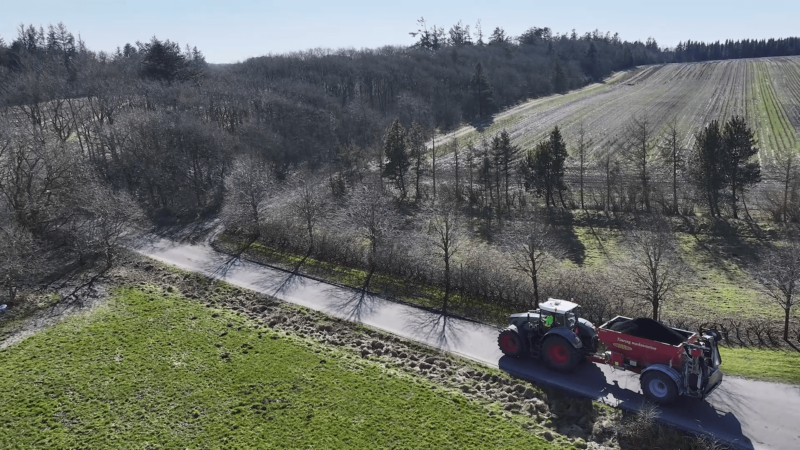
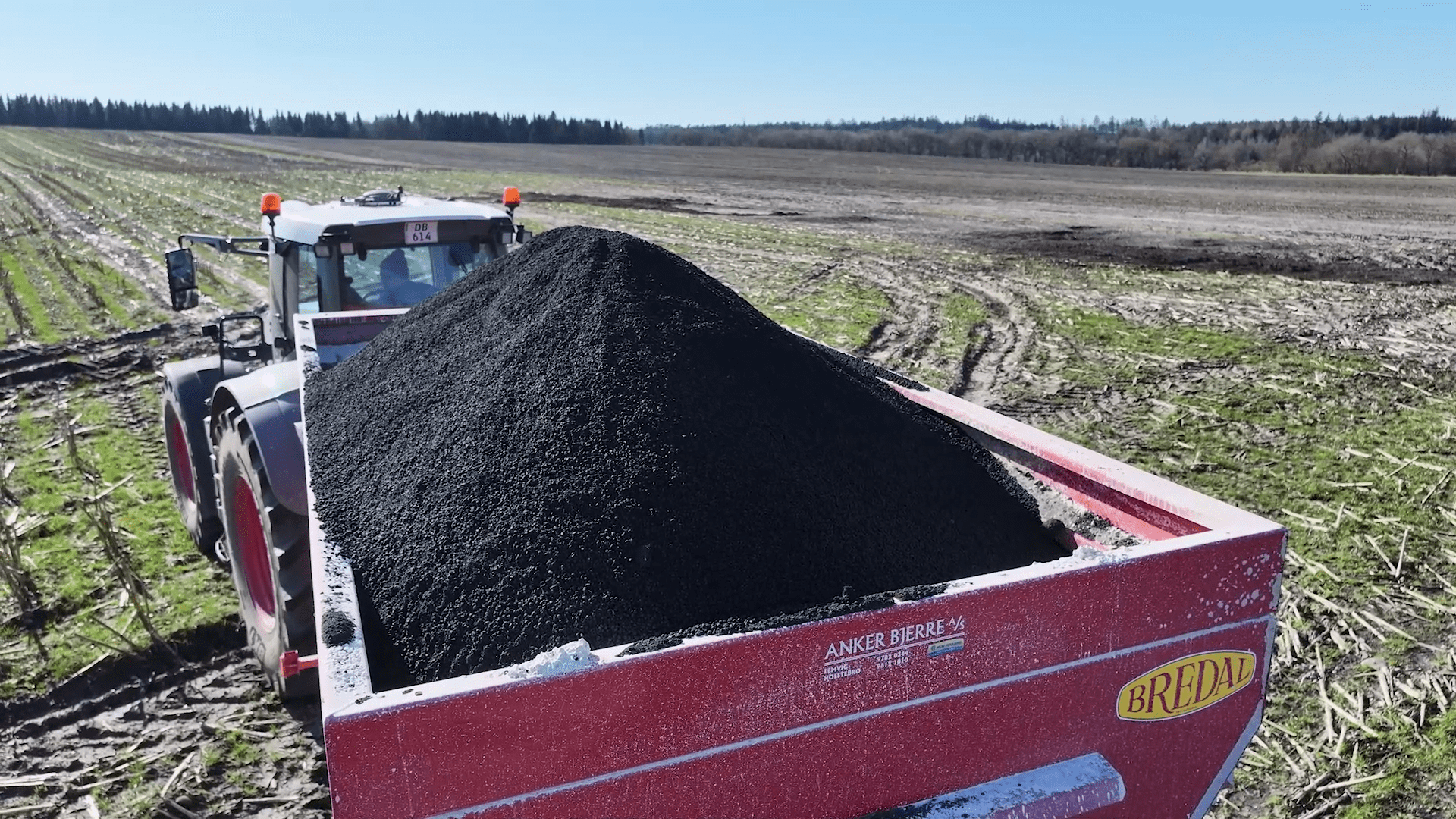
Agriculture accounts for nearly one-fourth of Denmark’s greenhouse gas emissions. Biochar is set to become a significant tool in mitigating these emissions with the potential to securely store CO2 for hundreds of years.
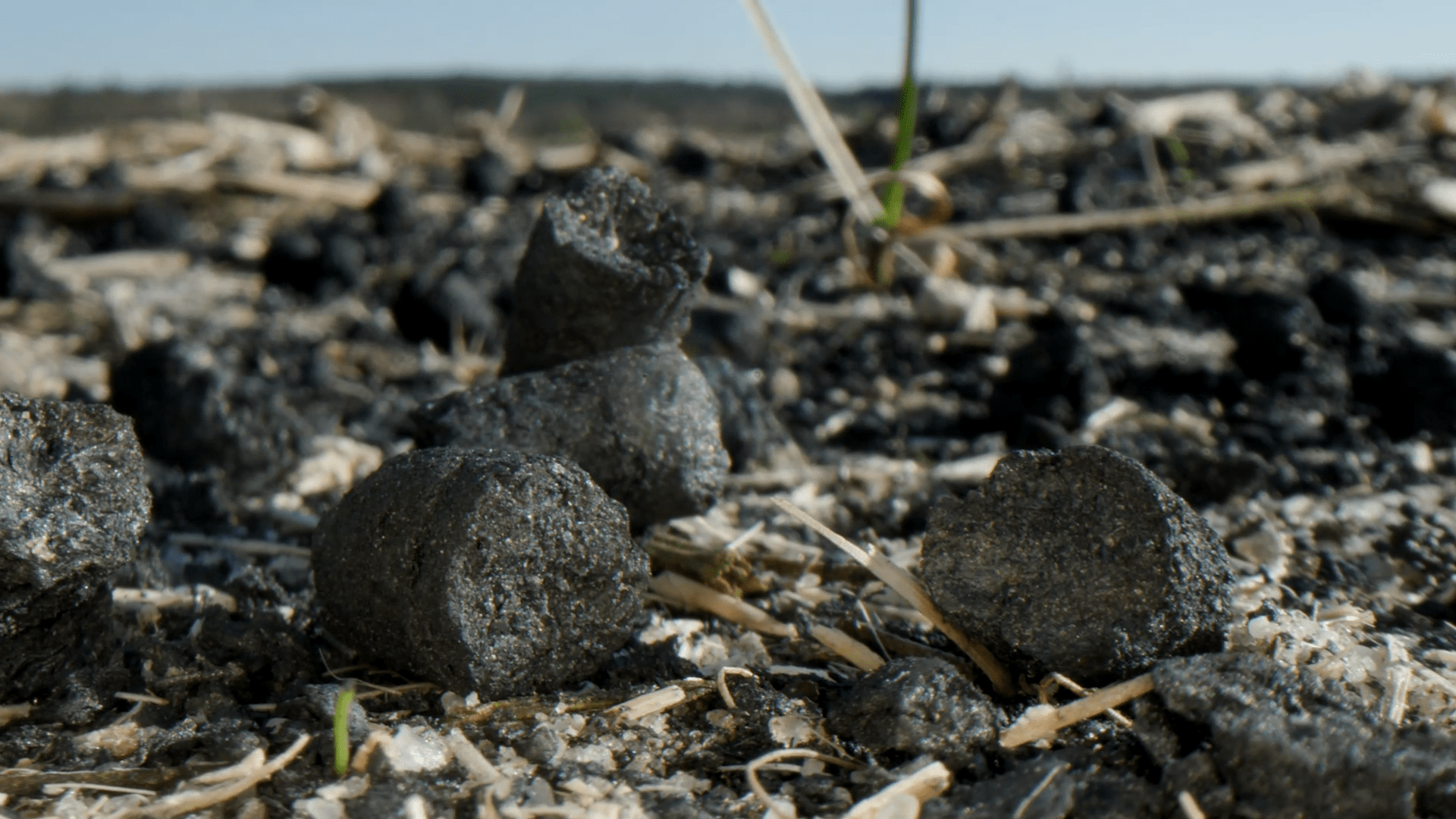
Biochar is a type of charcoal produced by heating organic material in an environment with limited oxygen, a process known as pyrolysis. This process not only stabilises the carbon in the biomass, preventing it from decomposing and releasing carbon dioxide back into the atmosphere but also turns it into a substance that can be beneficial when added to the soil.
However, no two soils or types of biochar are the same. To achieve widespread implementation of biochar solutions in Denmark, we need a deeper understanding of the overall effectiveness and environmental impacts of biochar in different settings and soils. Moreover, we lack the necessary legal and economic framework to support and regulate its use effectively.