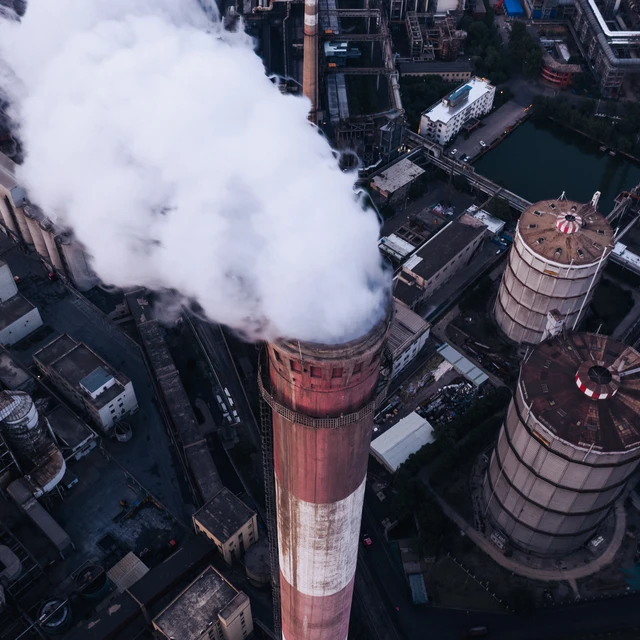
Emitted CO₂ has traditionally been treated as a form of waste. When captured, the CO₂ was used in the production of fossil fuels to maximise output. However, CCUS technologies enable us to turn CO₂ into valuable products. CO2 of biogenic origin is key to making the products climate-neutral by substituting the use of fossil-based products.
The many uses of CO2
CO2 is used for a wide range of commercial and industrial purposes. When CO2 is combined with hydrogen it can produce, e.g., e-methanol and e-kerosene. These fuels can be used in plastic production, in the chemical industry, or as fuels for shipping and aviation. Utilisation of CO2 plays an important role in securing the green transition of these sectors. Industrially and commercially, CO2 can also be used for carbonation of beverages, dry ice for refrigeration, and in fire extinguishers. In agriculture, CO2 is often used as a fertiliser in greenhouses and for treating grain to protect it from insects.
Producing green fuels with biogenic CO2
Green carbon-based fuels are produced when biogenic CO₂ is combined with green hydrogen. Green hydrogen is produced via electrolysis powered by electricity from renewable sources. To qualify as green fuel, the electricity used in the process must come from renewable sources, e.g., from wind and solar, and comply with EU requirements for Renewable Fuels of Non-Biological Origin. These fuels are referred to as “e-fuels”, where “e” stands for electric. Chemically, they are identical to fossil-based counterparts. Green fuels can therefore directly replace fossil fuels in aviation, shipping, and other energy-intensive industries. This makes e-fuels essential in decarbonising hard-to-abate sectors that rely heavily on fossil fuels.
Green fuels play a crucial role in reducing the world’s reliance on fossil fuels, securing energy resilience both within Denmark and across its borders. Moreover, Danish production of green fuels will increase European energy independence, as Europe is currently importing most fossil fuels from third countries. Green fuels will also assist in a diversified energy mix, supporting Denmark’s goal of becoming 100% independent from fossil fuels by 2050.
Building a market for green fuels and hydrogen in Denmark
Denmark has great ambitions for producing green fuels. The government has allocated approximately EUR 456 million for green aviation, and a new green domestic route between Copenhagen and Aalborg will open in 2026. By 2030, the Danish government aims to have all domestic flights use SAF.
In addition, a hydrogen pipeline is being planned to transport green hydrogen from production plants to key industrial clusters, laying the foundation for a competitive and integrated market. The hydrogen pipeline will connect Denmark to the German border. To support the pipeline, the government has committed approximately EUR 2.3 billion million in loans and operational subsidies.
Great conditions for sector coupling
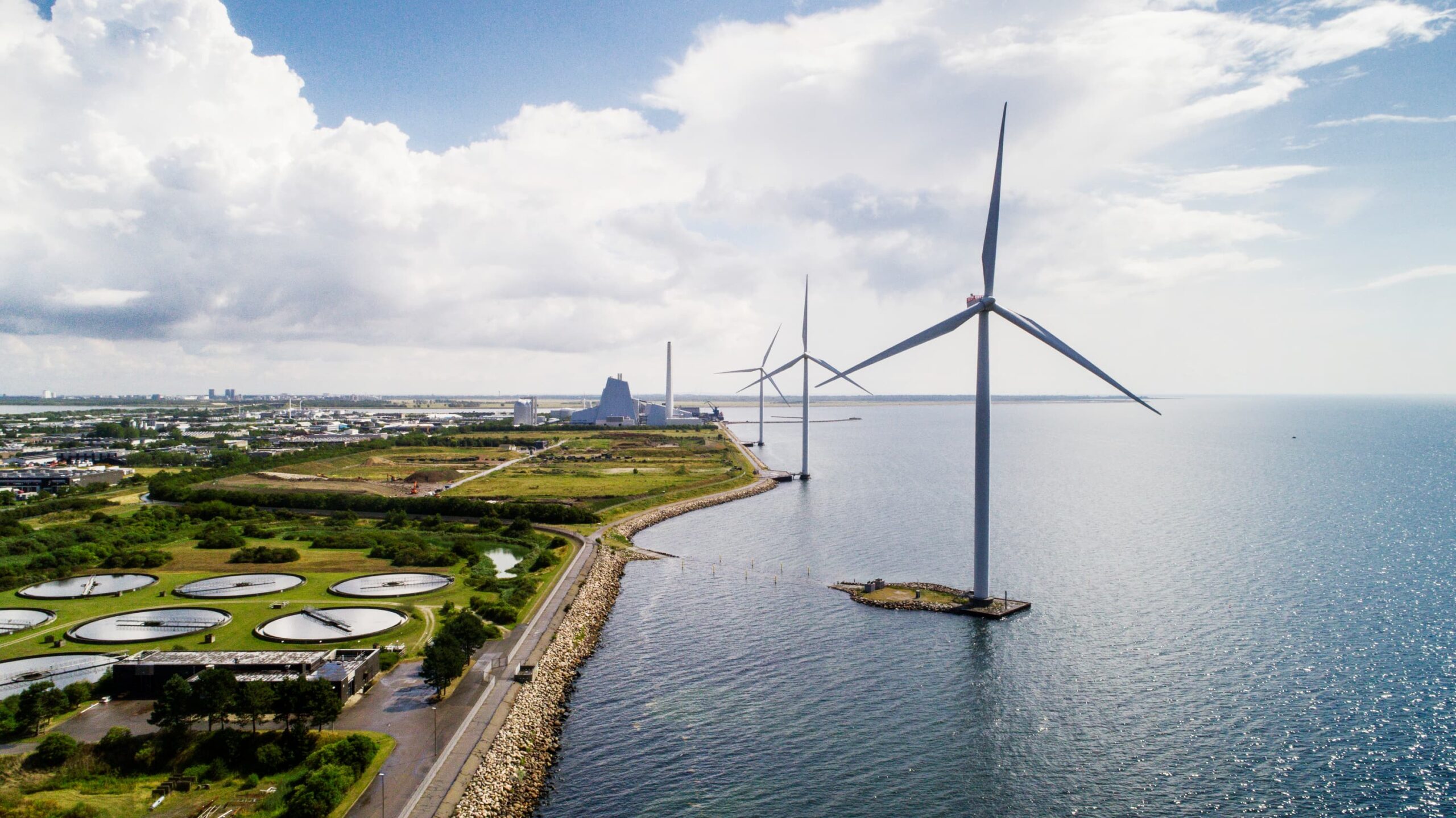
With a highly integrated energy system, Denmark can combine sectors to accelerate the green transition. Excess heat from electrolysis, synthesis, and capture processes can be reused in district heating, while large volumes of renewable electricity can be used to produce green fuels. Renewable energy and the development of PtX are therefore closely linked. Building on this strong foundation, Denmark also benefits from steady access to biogenic CO₂, making Denmark an ideal location for advancing CO2 utilisation.