The purpose of CCUS is to prevent large amounts of carbon dioxide (CO₂) from being released into the atmosphere. Capturing CO2 is also essential to achieve negative emissions which is done by storing CO₂ captured from biological sources like biomass or biogas. This is referred to as biogenic CO₂, and it is considered net-zero since it is part of the natural carbon cycle. Biogenic CO2 is also used to produce green fuels for e.g., aviation and shipping.
Today, carbon can be captured from the flue gas of industrial facilities and heat and power plants, or separated from biogas. In either case, the captured CO₂ can be used or stored rather than released into the atmosphere. This makes CCUS a key enabler for the decarbonisation of hard-to-abate sectors, where electrification, energy efficiency, or green fuels are not technically or economically viable.
Denmark is actively working towards making CCUS a viable solution, with several pilot and commercial projects already underway. By capturing both fossil and biogenic CO₂, Denmark aims to reduce emissions, support new green industries, and mitigate the effects of climate change. This also helps inspire a global green transition.
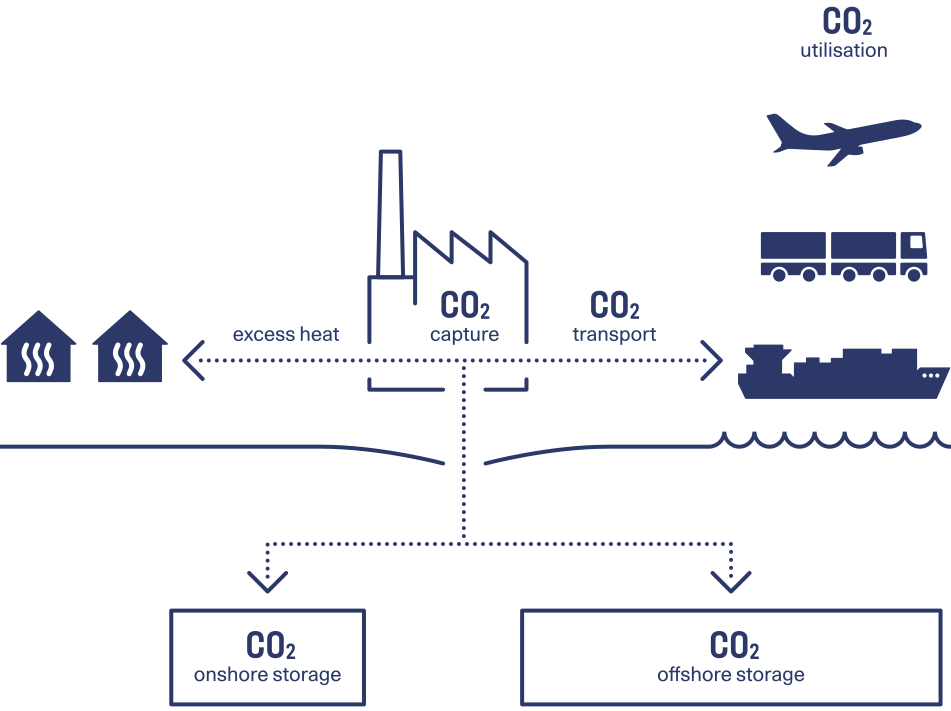
Capturing CO₂
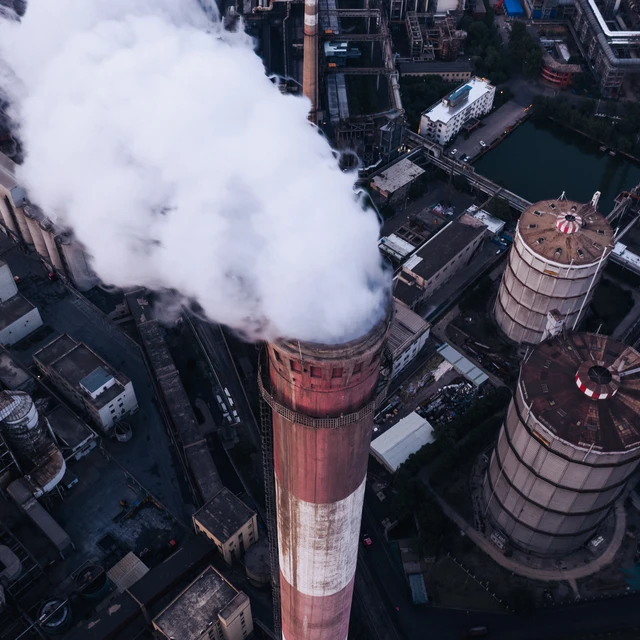
CO₂ capture is the process of separating carbon dioxide from other gases, such as industrial exhaust gases or biogas. It is done by chemically treating the hot gases released during combustion. In these industries, the high CO₂ concentrations make it easier to separate CO₂ from other substances in the gas stream. In a similar way, biogas can be upgraded using various technologies to remove its CO₂ content. The CO₂ from biogas can be used directly on-site or collected for later use or storage. Although more difficult, CO2 can also be captured directly from the atmosphere, a process known as Direct Air Capture.
Storing CO₂
Storing CO₂ involves injecting the carbon into a suitable reservoir deep in the subsoil, while an impermeable layer above, such as clay, acts as a cap. A reservoir fit for CO₂ storage must be made up of porous rock with many well-connected cavities of a certain size, allowing the CO₂ to spread throughout the formation, and at a depth deeper than 800 metres. Sandstone, which is abundant in the Danish subsoil, is one such type of rock well-suited for CO₂ storage.
CO₂ utilisation
Captured CO₂ can also be used in various ways. E.g., biogenic CO₂ is essential in the production of green fuels such as e-methanol and e-kerosene. E-methanol is produced by combining biogenic CO₂ with green hydrogen. E-methanol can be used to fuel heavy transport such as shipping and serves as a key ingredient in the chemical industry for producing plastics and other materials. The green fuel e-kerosene is often referred to as sustainable aviation fuel (SAF or e-SAF) which can be used to decarbonise aviation. By using captured CO₂, carbon is effectively recycled, helping to avoid emissions from new fossil fuels.