Skip to content
Featured content

5 solutions to utilise wastewater as a resource

The perspective on wastewater is shifting from a waste byproduct to a valuable asset. We have gathered five cases proving that wastewater can be a key contributor to both environmental and economic sustainability.

Read the news

White paper: Unlocking the potential of wastewater

Launched at the IWA World Congress & Exhibition 2024 in Toronto, a new edition of the white paper "Unlocking the potential of wastewater" presents insights and solutions from Denmark's water sector on viewing wastewater as a resource while safeguarding people and ecosystems.

Read the news

The digital transformation of the wastewater sector

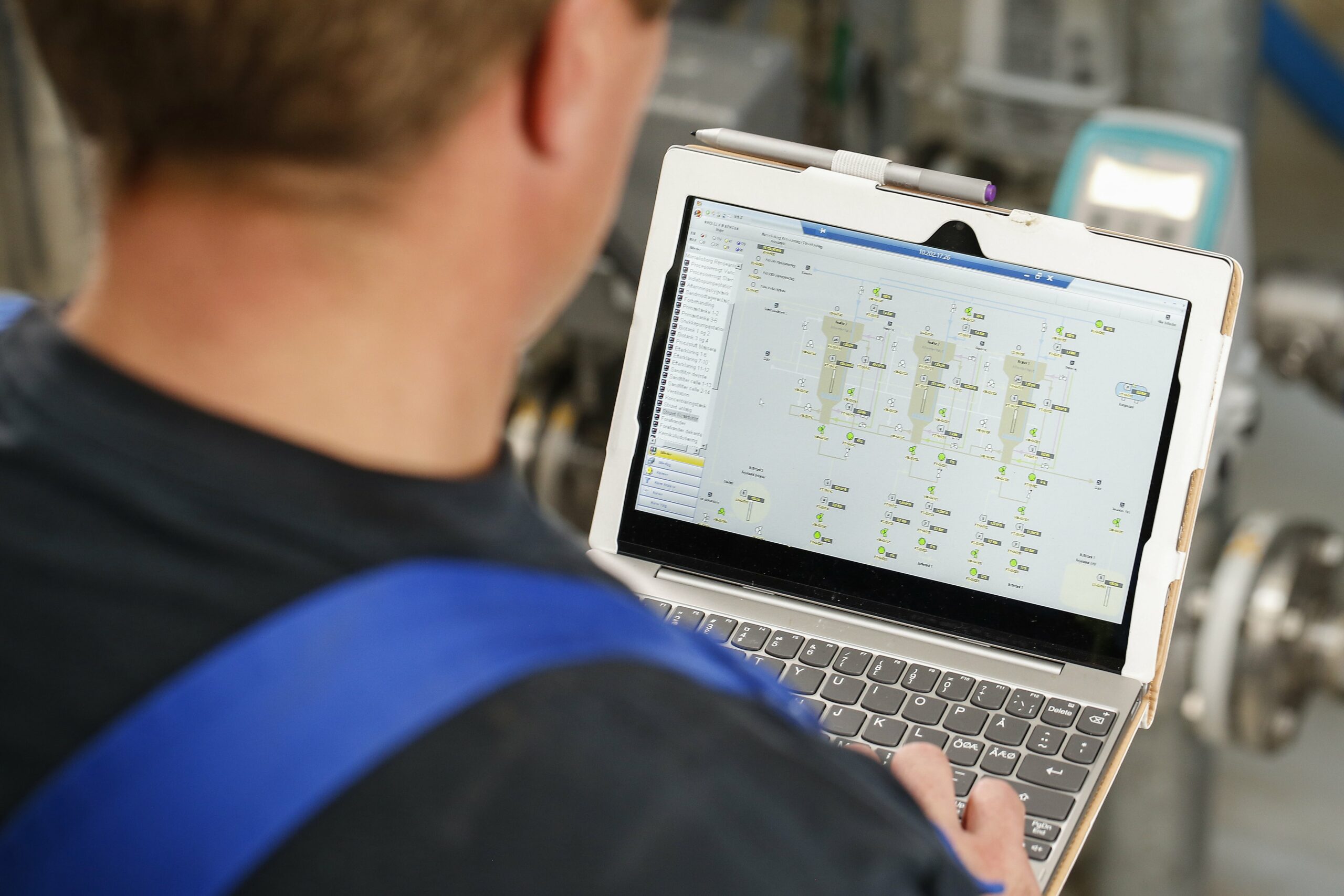
The water sector is facing a growing number of challenges affecting all aspects of operations. Taking a data-driven approach to running a wastewater treatment plant opens new opportunities for optimisation. The Danish water sector has already proven that digitalisation holds the key to radical transformation.

Read the news

5 solutions to utilise wastewater as a resource

White paper: Unlocking the potential of wastewater

The digital transformation of the wastewater sector


Explore the Danish water value chain

Dive into our digital visualisation of Denmark’s water value chain, and discover companies and organisations that specialise in water-related technology, research, and innovation.

Discover the Danish water value chain

What is Danish wastewater management?  

Every day, billions of litres of wastewater flow through pipes, treatment plants, and back into nature. For a long time, this was thought of as a problem to manage. Denmark decided to think differently, and treat it as an opportunity. 

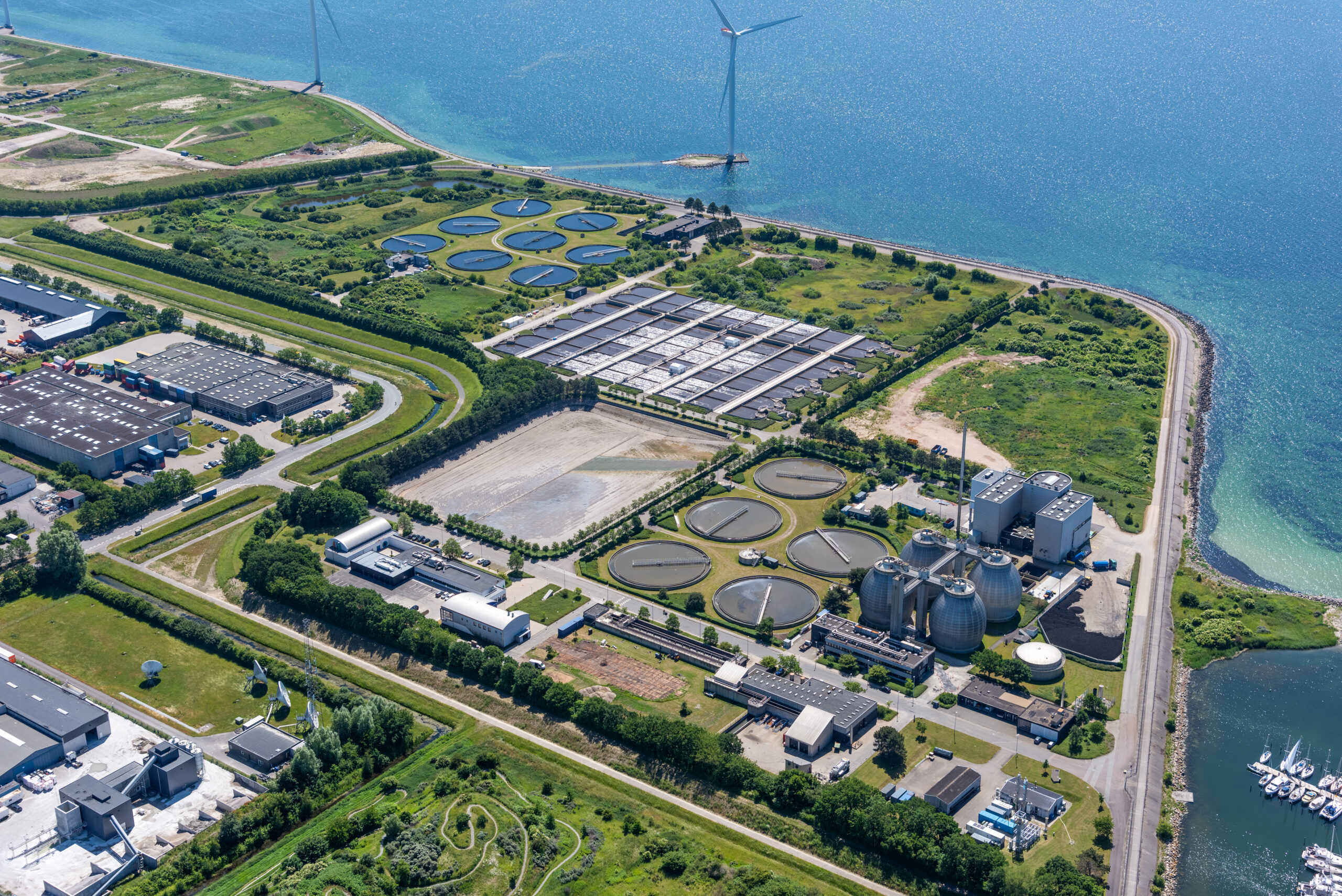
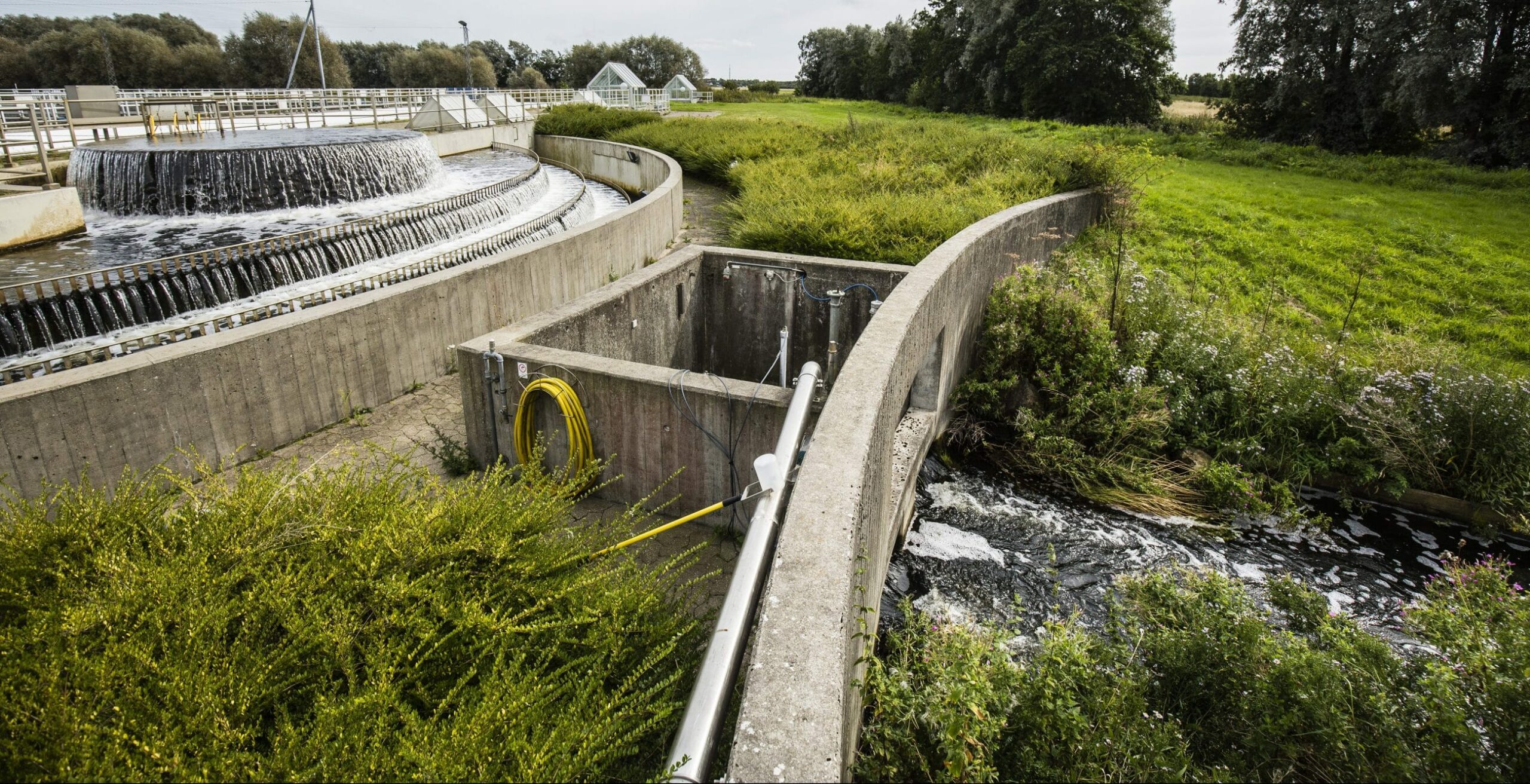
Today, Danish wastewater treatment plants don’t just clean water. They produce energy, recover nutrients, and help power entire neighbourhoods. And they do it while protecting rivers, coastlines, and drinking water for millions of people. 

Download the latest white paper to learn more.

What has Denmark learned?

Denmark started taking wastewater seriously in the 1980s, when its lakes and coastal waters were showing clear signs of damage. Strict rules were introduced. New technologies were developed. And over time, a culture of innovation took hold. 

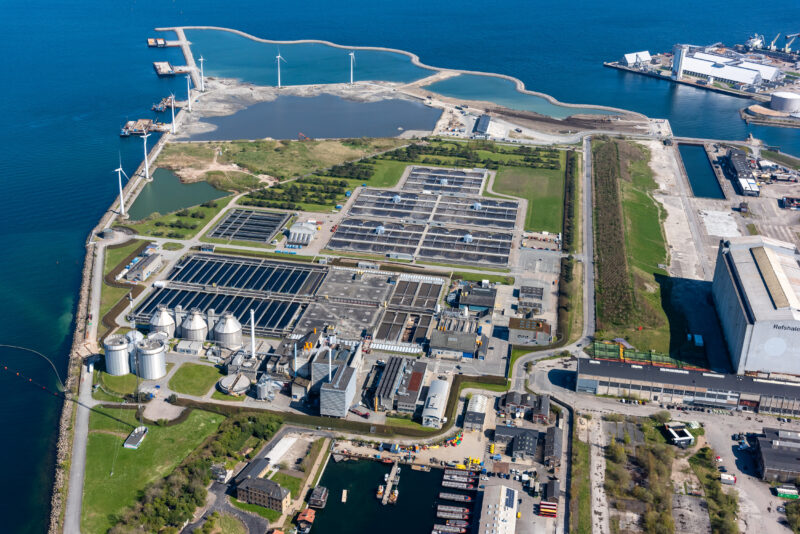
The results speak for themselves. Today, more than 95% of all wastewater in Denmark is treated to the highest biological standard. The sector aims to be fully energy neutral by 2030, and some plants are already producing more energy than they consume. 
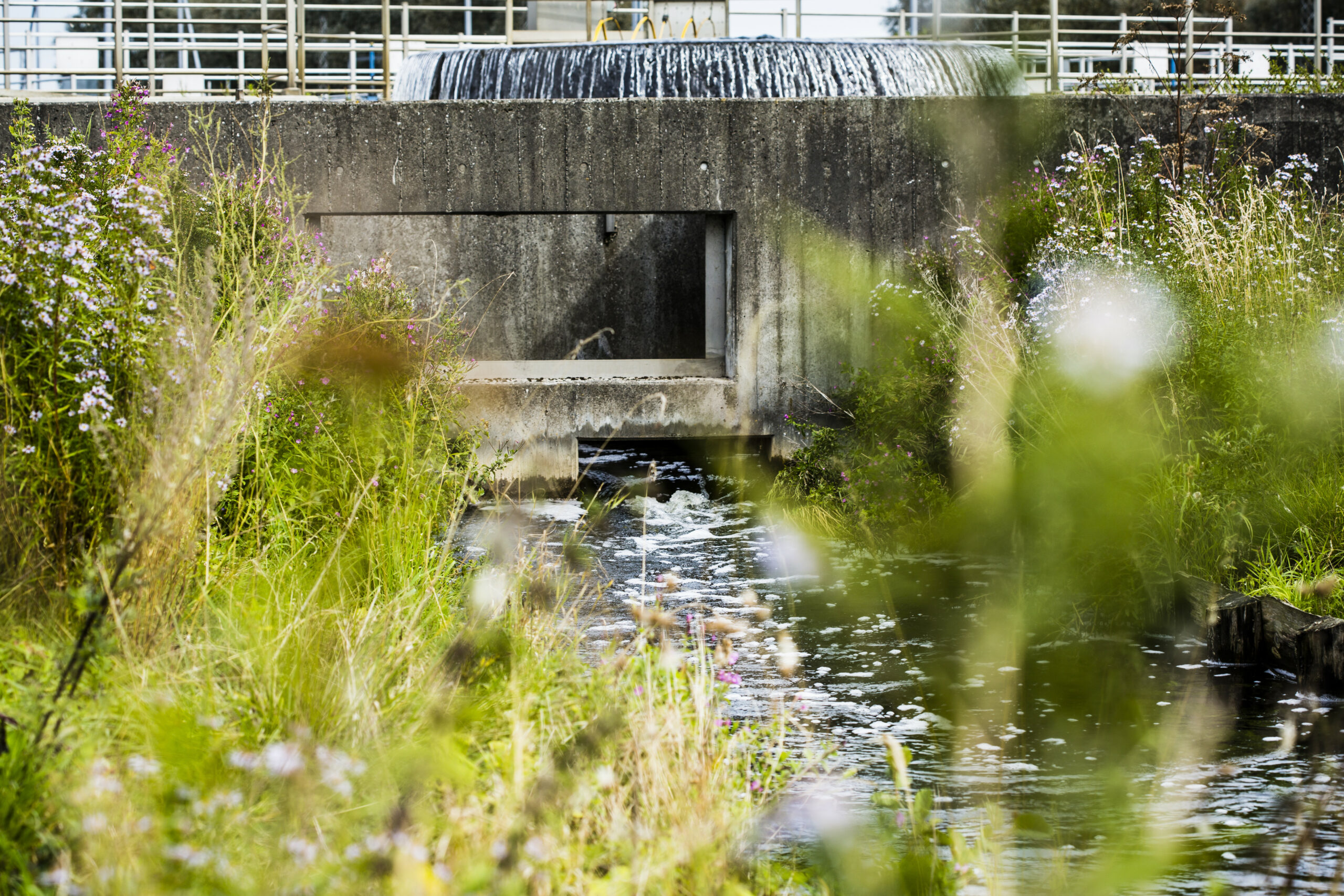
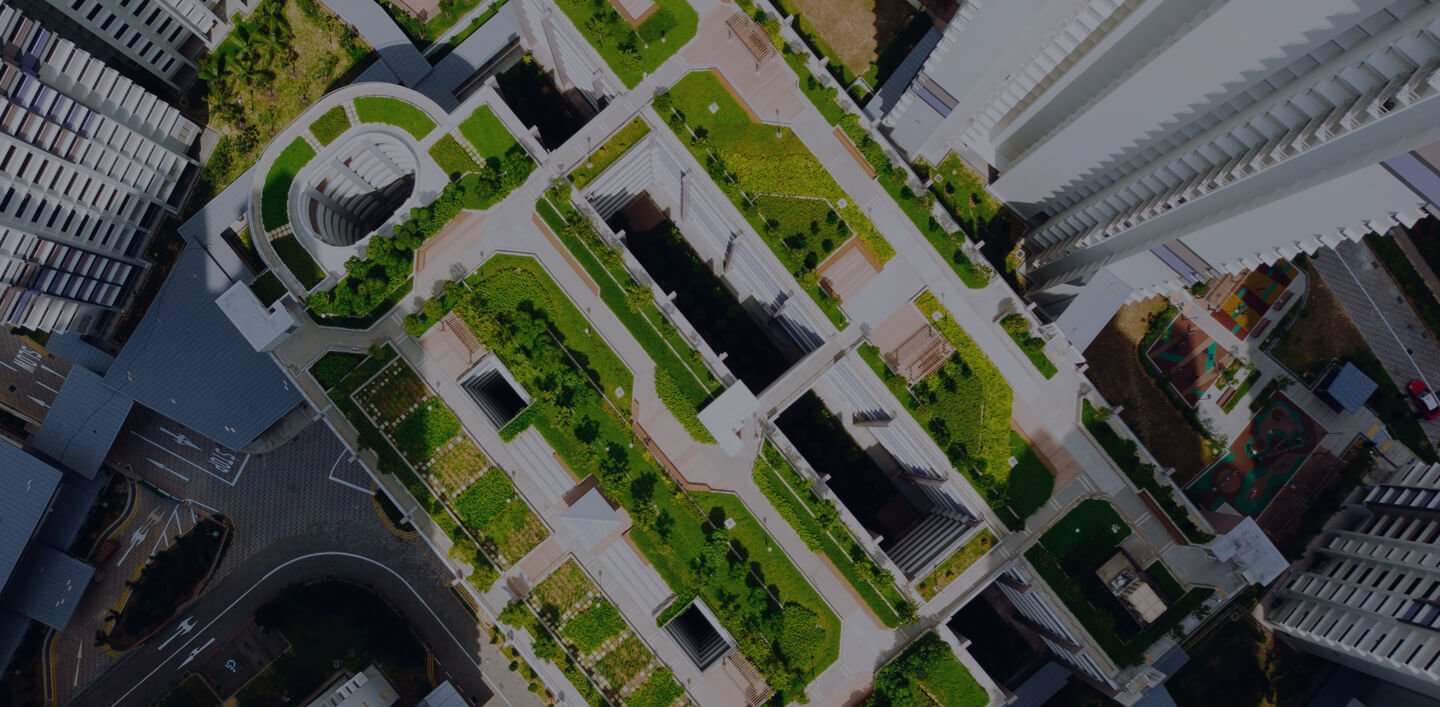
Photo credit: Luftfoto Danmark ApS

What can wastewater become?

Energy. When organic matter in wastewater breaks down, it produces biogas. That gas is used to generate electricity and heat — which can power the treatment plant itself, and even supply nearby homes through district heating networks. 

Fertiliser and soil improver. The solids left over after treatment — called sludge — are rich in phosphorus and other nutrients. Instead of throwing them away, Denmark uses advanced processes to turn them into safe, valuable materials for agriculture. 

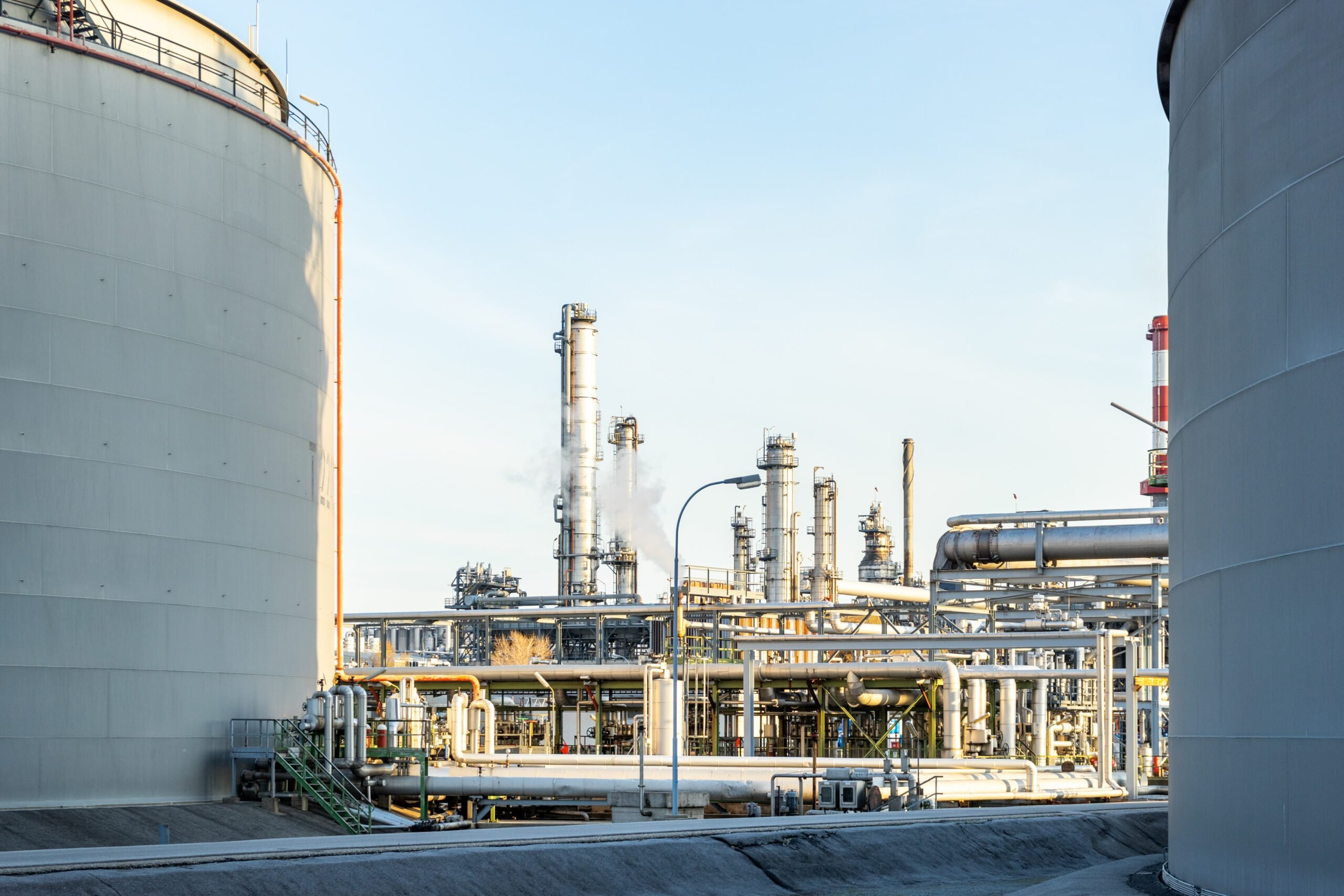
Clean water for industry. Industrial facilities can treat their own wastewater on-site and reuse it in production processes, reducing pressure on freshwater sources. Carlsberg’s largest brewery in Denmark, for example, treats and recycles 90% of its process water on-site, cutting both water consumption and wastewater discharge.”

A foundation for green energy. The hydrogen economy needs enormous quantities of ultra-pure water. Treated wastewater is one of the most promising sources — meaning wastewater plants could become a critical part of tomorrow’s clean energy infrastructure. 

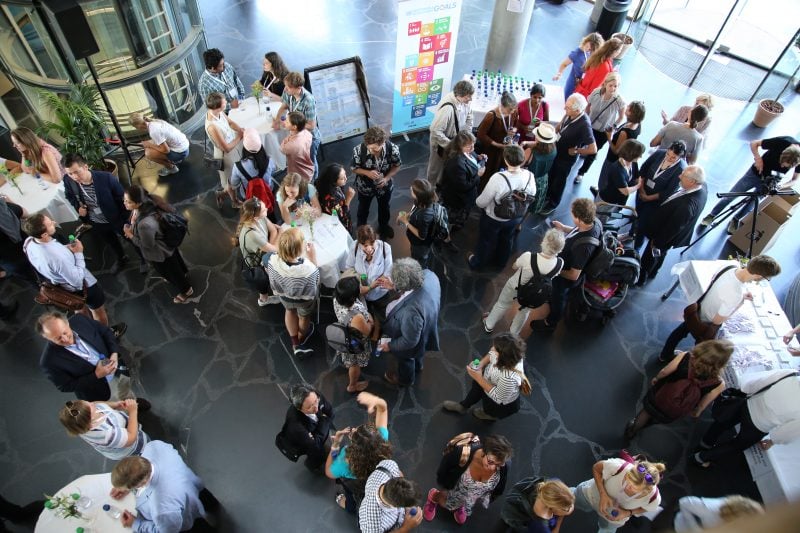
Photo credit: Christoffer Regild

Moving beyond Danish borders

Denmark’s approach to wastewater shows what is possible when regulation, investment, and long-term thinking work together. The results are real — but so are the remaining challenges. PFAS contamination, greenhouse gas emissions from treatment processes, and the energy demands of advanced purification are problems the sector is still working to solve. 

The technologies being developed and tested in Denmark are not exclusive to Denmark. They are scalable and have already been applied in Singapore, the United States, China, Italy, and Germany, among others. But scaling them requires commitment, from governments, utilities, and industries alike. 

Wastewater is one of the most underused resources we have. Using it better is not a silver bullet for the water or climate crisis. But it is a meaningful and necessary part of the solution. 

Danish solutions in action

Denmark’s wastewater sector demonstrates how treatment plants can serve multiple purposes at once, producing energy, recovering nutrients, protecting water quality, and supporting climate targets. The best solutions solve more than one problem at the same time. Achieving this, however, requires close collaboration between authorities, utilities, research institutions, technology providers, and industries.
Dive into the digital visualisation of Denmark’s water value chain, and discover companies and organizations specialising in wastewater treatment, resource recovery, and digital innovation.

Explore the water value chain

Exploring Denmark’s approach to wastewater management

In this Q&A, we explore why wastewater management plays such a central role in Denmark’s water-flow, how wastewater management supports climate targets, and what makes the Danish model a source of inspiration for policymakers and water-technology developers worldwide.

Explore wastewater management

Energy recovery from wastewater
Resource recovery from wastewater
Wastewater management
Wastewater treatment

Event

Water supply

+19

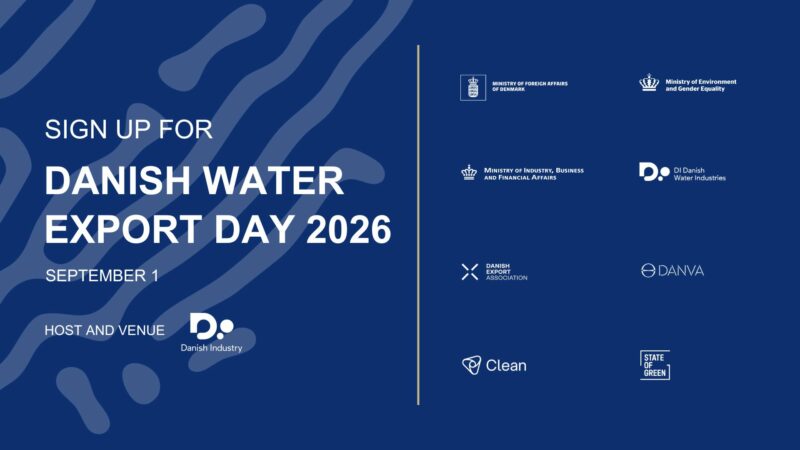
Danish Water Export Day 2026

3 June 2026
Water Export Day is being held this year on September 1st at Danish Industry, bringing together the Danish water industry with a focus on exports. Together, we will discuss how and what opportunities exist to strengthen the export of Danish water technology and know-how. The event will serve as a pl

Perspective

Groundwater management

+13

Tap into Danish water expertise

12 January 2026
In Denmark, we value our water. We care for how we extract it, use it and release it back to nature. We consider water a valuable resource in the circular economy and a contribution to reaching our energy and climate goals. Above all, we value water for its potential to improve lives.
Show 418 more

Meet Danish wastewater management professionals

Company

Air pollution from industry production

+68

Ramboll

Ramboll is a leading international architecture, engineering, and consultancy company, owned by the Ramboll Foundation.
Show all partners

Explore related focus areas