Solution provider

European Energy aims to be a major global force in driving the green transition.
Case
Power-to-x
Climate COP
E-fuels
+1
European Energy aims to be a major global force in driving the green transition.
Add the case to your visit request and let us know that you are interested in visiting Denmark
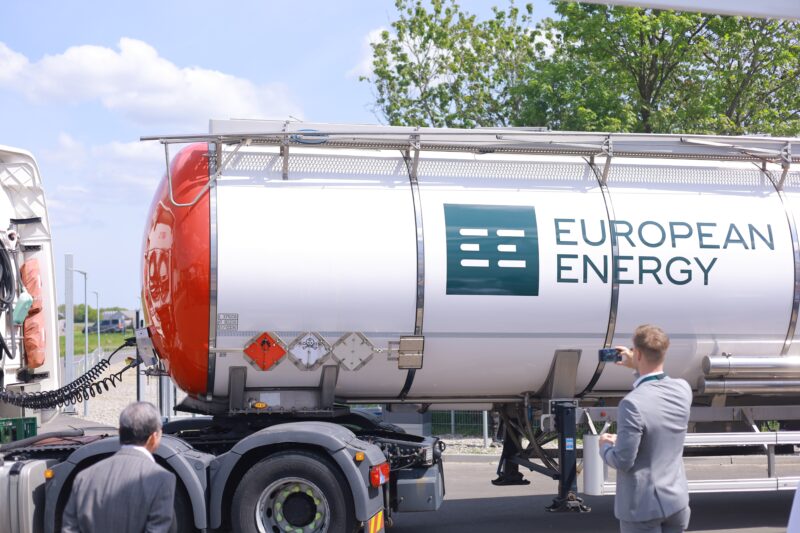
Photo credit: European Energy
The use of e-methanol contributes to the decarbonization of sectors that face significant challenges for direct electrification of processes, particularly maritime shipping and chemical manufacturing.
By transforming renewable energy from wind and solar into sustainable fuels, we can secure a fossil-free energy source and raw material for those sectors where direct electrification is impractical or unfeasible.
As a low-carbon fuel and chemical feedstock, e-methanol can replace fossil-based products, is compatible with existing infrastructure, and provides a means to store and transport renewable energy.
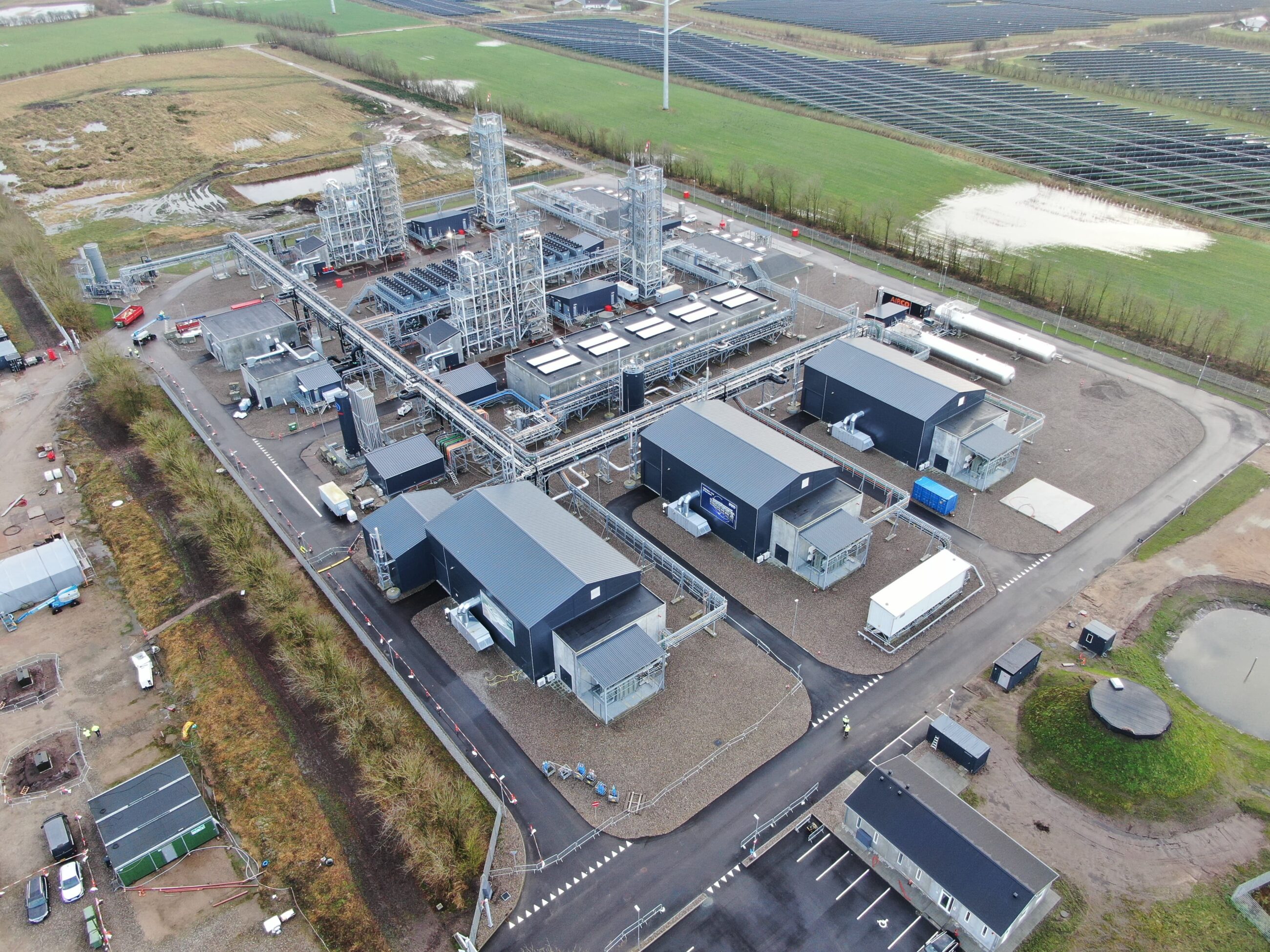
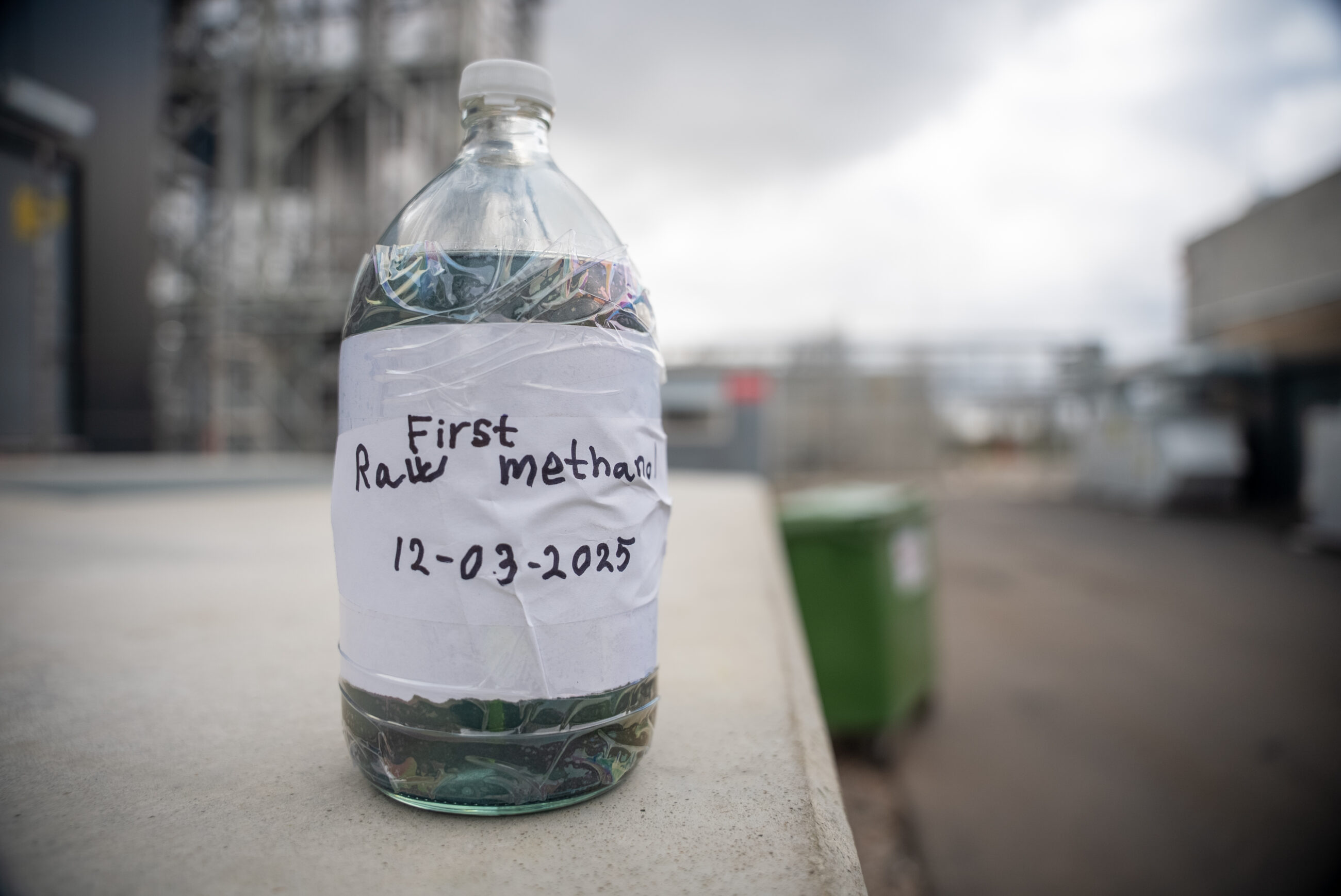
The Kassø facility is the first of its kind globally to produce e-methanol at commercial scale. The plant has an annual production capacity of 42,000 tonnes and operates entirely on renewable energy sources.
Kassø produces e-methanol, which has the same chemical composition as fossil methanol (wood alcohol), which is already used as a fuel in combustion engines and as a raw material in the chemical industry. Today, more than 100 million tonnes of methanol are produced annually using natural gas and coal.
E-methanol, however, is a green alternative because it is produced using renewable energy and biogenic CO₂ captured from e.g. biogas plants and waste incineration. European Energy produces e-methanol using green power from wind and solar farms. An electrolyser powered by renewable energy will split water into green hydrogen and oxygen. When we combine the hydrogen with biogenic CO₂ it becomes e-methanol, which can be used in both heavy transportation and the chemical industry, including the production of plastics. The process creates excess heat, which can be supplied to the local district heating network and provide climate-friendly and affordable heat to local residents. E- methanol plants can ramp up and down production and utilise surplus renewable electricity in the grid. Production of e-methanol can thereby play a role in balancing the grid during peak periods when the energy system is not consuming all the electricity produced
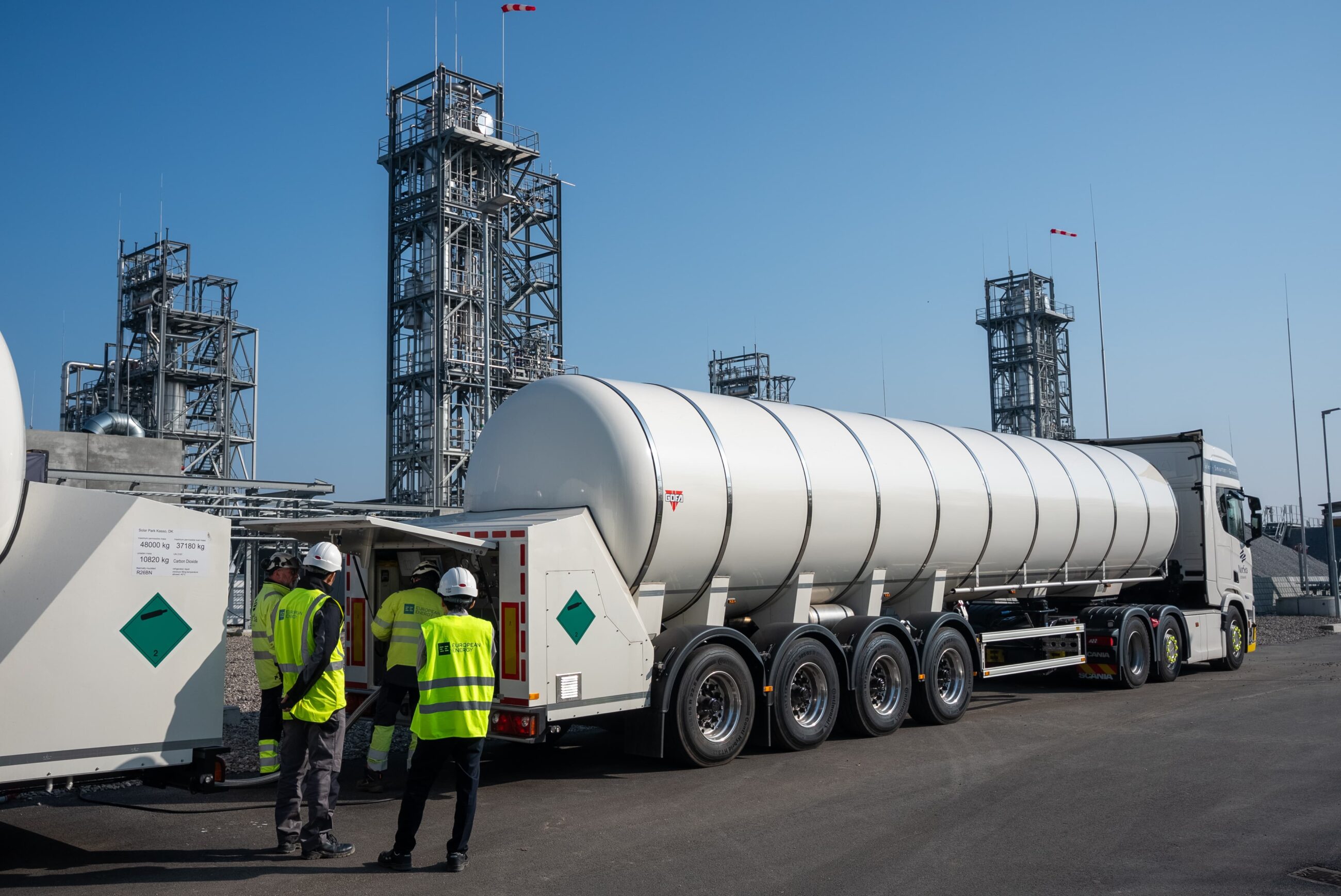
The Kassø project is designed to support the direct decarbonisation of sectors that are otherwise difficult to electrify. A.P. Moller – Maersk will use e-methanol produced at Kassø to fuel Laura Mærsk, the world’s first container vessel capable of operating on methanol. E-methanol from the facility will also be used in industrial processes where fossil-based methanol has traditionally been standard. One such application is in plastics, where manufacturers aim to adopt more sustainable materials while maintaining safety and quality standards. The LEGO Group and Novo Nordisk are also off-takers of e-methanol from Kassø, using it to replace fossil methanol in the production of selected products.
Equity partner of Kassø is Mitsui & Co (49%).
Learn more about the projectSituated next to Northern Europe’s largest solar park—the 304 MW Kassø Solar Park—the facility integrates large-scale renewable power generation with carbon capture and utilisation. By combining biogenic CO₂ with green hydrogen produced on-site, the Kassø e-methanol facility manufactures e-methanol with up to a 97% reduced carbon footprint compared to fossil-based products.
The use of e-methanol decreases GHG emissions up to 95% in comparison to fossil-based alternatives. It provides a viable alternative for hard-to-abate sectors to reduce their GHG emissions and ensure compliance to increasingly stringent decarbonization mandates at a geographical and industry level.
For example, EU mandates the use of RFNBOs in the transport sector. Under the European Commission’s Renewable Energy Directive III, member states are required to ensure that at least 1% of transport fuels come from RFNBOs by 2030. Additionally, FuelEU Maritime will mandate that 2% of marine fuels be RFNBOs starting in 2034. IMO (International Maritime Organization) will effectively introduce GHG pricing mechanisms as part of their net-zero regulations for global shipping.