Solution provider

European Energy aims to be a major global force in driving the green transition.
Case
Environment and agriculture
Efficient food production
Photovoltaics
+1
European Energy aims to be a major global force in driving the green transition.
Add the case to your visit request and let us know that you are interested in visiting Denmark
The agricultural industry is facing a complex set of challenges, ranging from rising costs, uncertainties around income, and access to land, to the impacts of climate change, water scarcity, and other environmental challenges. These challenges demand the need to develop new and innovative solutions to enhance the resilience and sustainability of agricultural sector in Europe. At the same time, the demand for renewable energy has led to an increase in solar panel installation on agricultural land, despite the fact that agricultural land is a limited resource that must also meet the world’s rapidly increasing food needs.
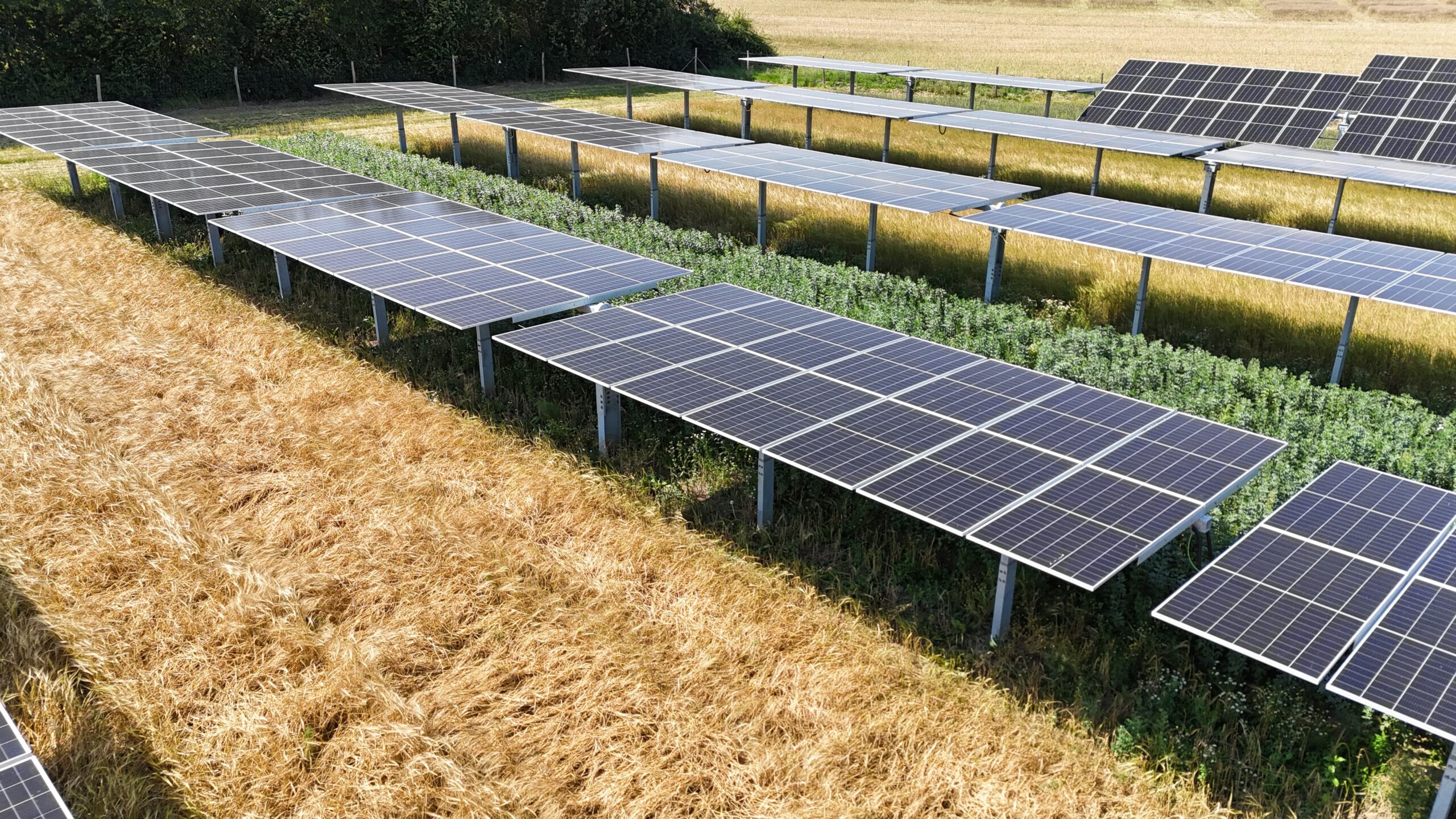
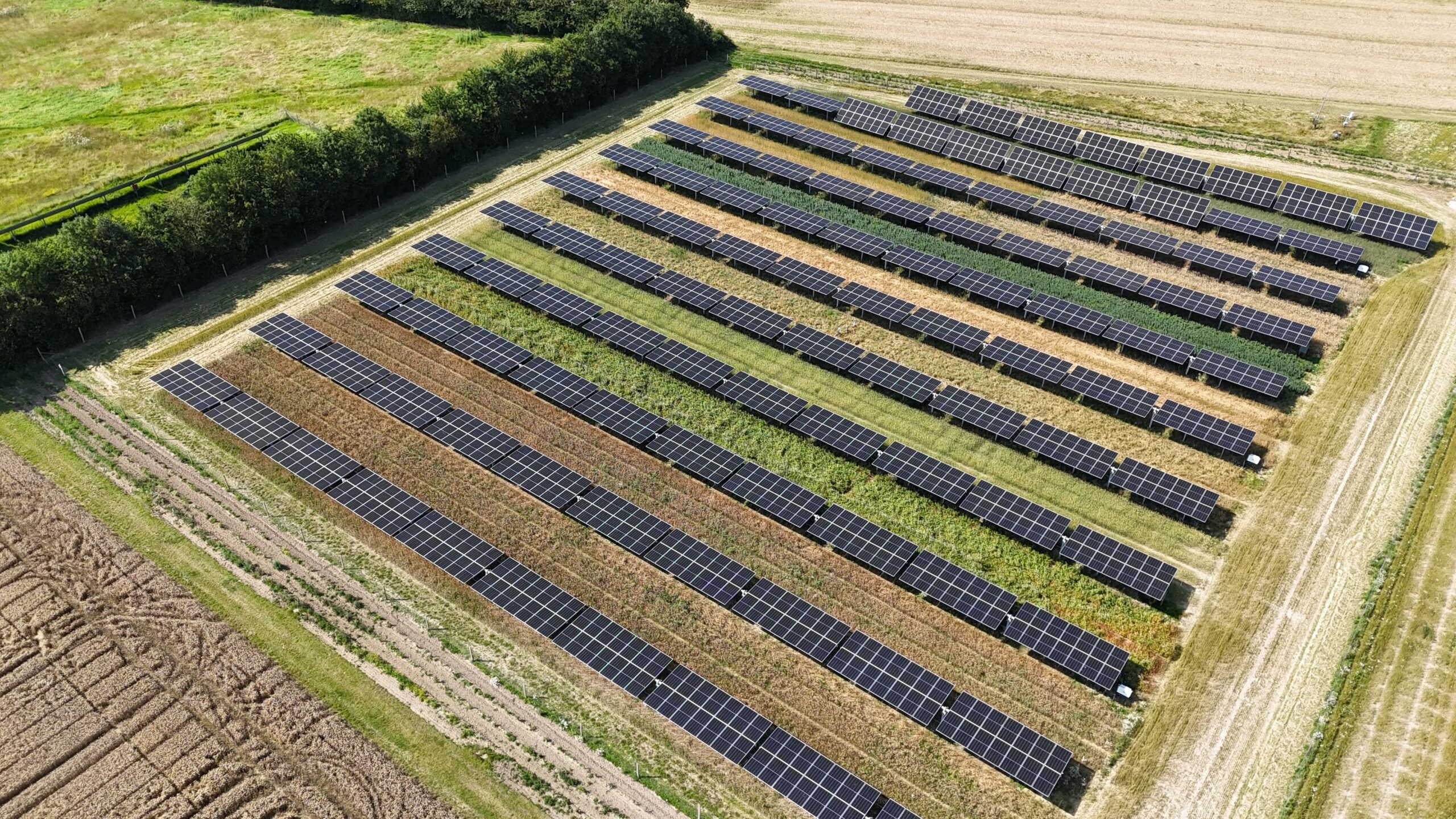
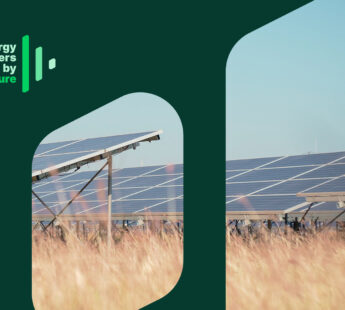
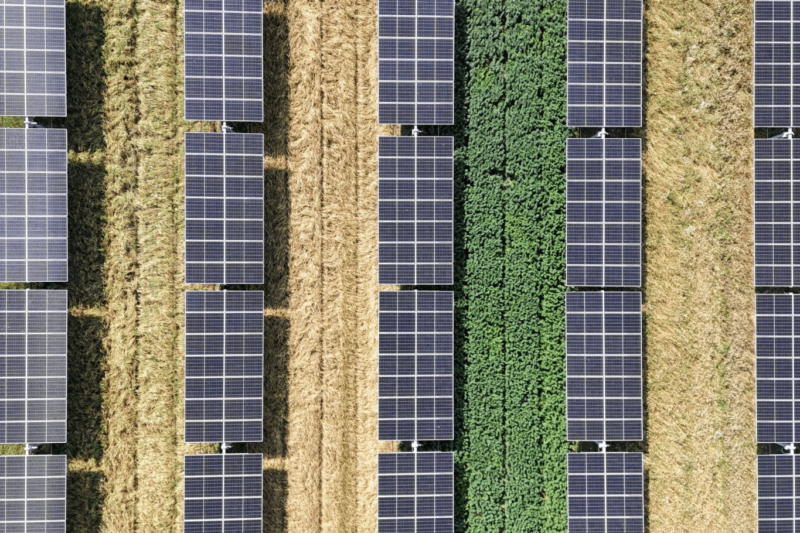
Agri-PV involves the installation of solar panels over agricultural land so that crops can be grown and cultivated rationally under the panel, while renewable energy is generated. This system has the potential to maintain food production on a larger scale in a world affected by climate change while ensuring renewable energy production.
Flakkebjerg Solar Park is a joint project between European Energy, Aarhus University, Copenhagen University and Slagelse municipality, and funded by Innovation Fund Denmark, to test the combination of solar power and crop growth in a shared space.
Flakkebjerg Solar Park will play an important role in the roll out of Agri-PV solar projects in France, where the use of Agri-PV is a requirement for solar power projects. European Energy expects the research project to bring many important learnings for the design and development of future solar power projects in France and elsewhere related to Agri-PV.
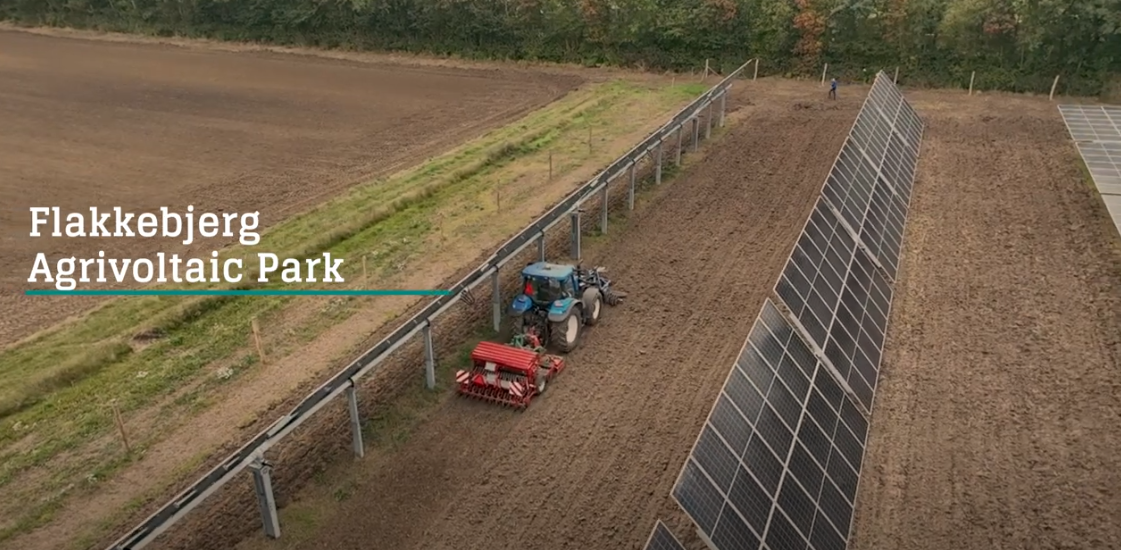
The Agrivolt Research project at Flakkebjerg will run from 2023 until 2028. The expected yield is about 80% for both solar energy and crops, compared to an agricultural space dedicated to only one of the purposes. Therefore, the result is a park, which in total produces more combined solar energy and field crops (160%), than either would produce alone (100%).
European Energy is developing Agri-PV or agrivoltaics projects in several countries, including France where a multifunctional use of farmable land may be a requirement in order to develop solar power projects.
In France for instance, the Agri-PV projects developed will be creating value at various levels :