Denmark supports a market-driven development and roll-out of CCUS. A major component for developing a CO2 market is an integrated, cross-border infrastructure, as well as a clear legislative framework for transporting CO2 across borders.
Shaping regulation to enable CO2 transport
Denmark is already working on shaping regulations to support the transportation of CO2. In 2024, the Act on Pipeline Transport of CO₂ was passed, providing the legal framework for developing and operating pipelines for CO₂ transport in Denmark. By setting transparent rules for permitting, safety, and access, the act reduces uncertainty for project developers while ensuring infrastructure can be shared across industries and integrated into a broader European network.
Denmark has signed agreements with Belgium, Finland, France, the Netherlands, Norway, Switzerland, and Sweden to enable CO₂ transport for storage beneath the seabed. However, to prevent transport infrastructure from becoming a bottleneck, a coherent European framework will be crucial to scale CCUS and create a well-functioning market.
Transport solutions to scale CCUS
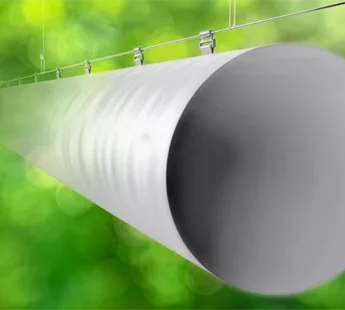
CO₂ can be transported by rail, truck, ship, or pipeline. The choice of method depends on factors such as price, time, and flexibility. Pipelines are often a safe and efficient solution, but they take a long time to establish with a high cost upfront. Trucks, by contrast, offer flexibility and can be deployed quickly, making them well-suited for smaller volumes or early-stage projects. Ships and railways provide options for larger-scale transport across longer distances, particularly in international contexts where connecting emitters with storage sites or utilisation hubs requires cross-border infrastructure.
While several modes of transport, especially shipping and CO₂ terminals, can help mature the CO₂ market in the early phase, cross-border pipelines are expected to be essential over time. By moving large volumes of CO2 at lower cost, pipelines can be central to scaling up CCUS.
Denmark as a hub for shipping CO₂
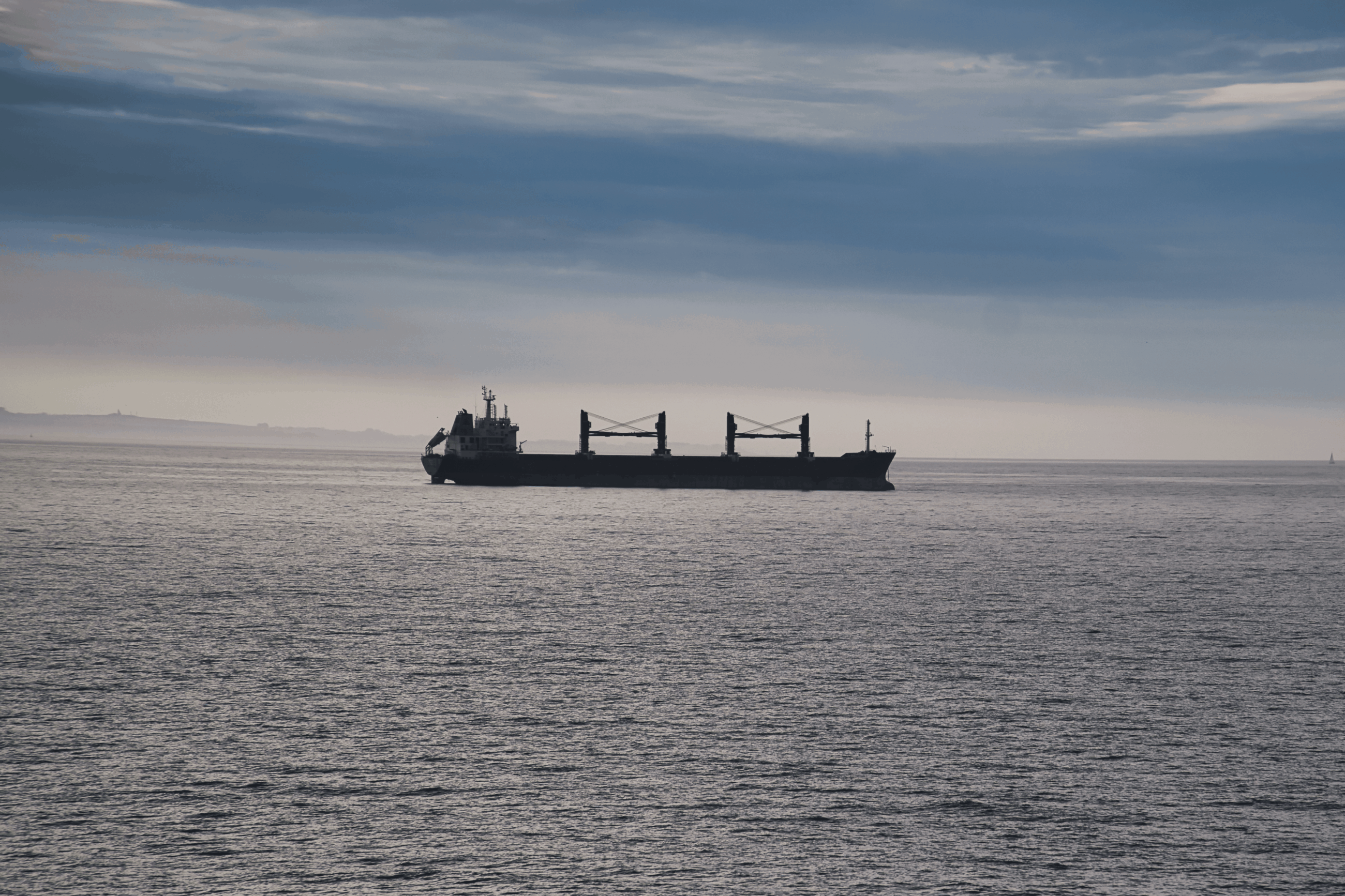
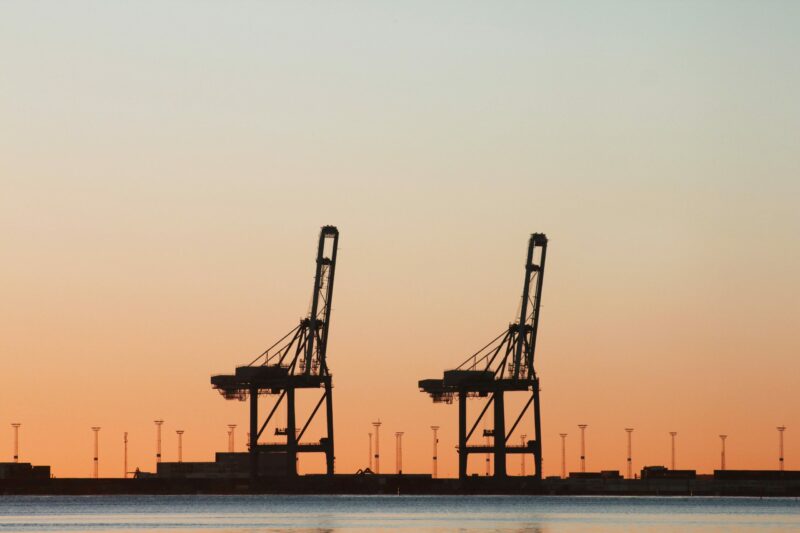
In the Danish part of the North Sea, ships will be the primary method for transporting CO2 to storage in the early phase of developing the market. Shipping also makes it possible to ship CO₂ from neighbouring countries directly to storage. In other cases, CO2 might be shipped to other countries for utilisation.
Denmark is well positioned to serve as an international hub, being well connected to European countries, from France to Finland. East of the North Sea, Denmark will be a convenient storage partner for large emitters from countries around the Baltic Sea and North Sea, such as Germany, the Netherlands, and Belgium. Countries west of the North Sea, such as the United Kingdom and France, can also reach the storage sites directly.
To support this role, several CO2 hubs are being developed across Denmark. The hubs will act as collection points where captured CO₂ is gathered, processed, and then transported, often by ship, for storage or utilisation. Among them is The Carbon Destroyer 1, operated by INEOS, which is Europe’s first offshore vessel specifically designed to transport liquefied CO2 for permanent storage.
Ultimately, a mix of transport solutions will be needed to develop a fully functioning CO₂ market and ensure that captured CO₂ can move efficiently from source to either storage or utilisation.