
Skip to content

Perspective

Green Shipping

Energy efficiency in industry

How energy efficiency accelerates green shipping

Improving energy performance across the global fleet is the most immediate and cost-effective way to cut emissions, ease the fuel transition and realise a greener fleet.

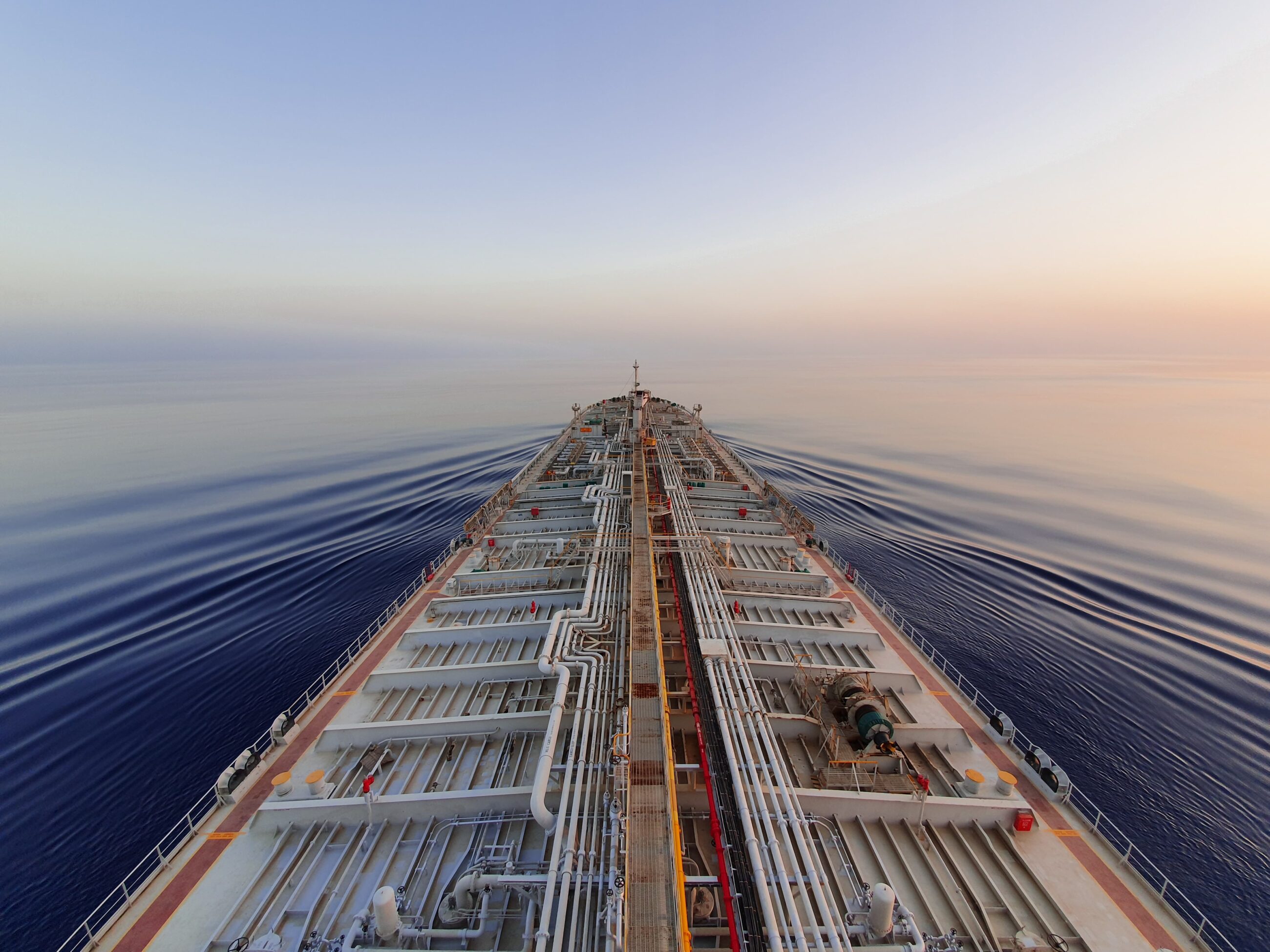
Photo credit: Danish Shipping

image
19 September 2025

Energy efficiency is one of the most cost-effective and readily available ways to cut shipping emissions, easing the transition to green fuels. Improving energy efficiency has become not just a strategic advantage but a necessary step in meeting the sector’s 2050 net-zero goal.

Fuel-saving measures ease the transition

By reducing fuel use per voyage, improving energy efficiency lowers absolute fuel costs regardless of fuel type. This is particularly important since green fuels such as e-methanol and e-ammonia remain in limited supply and are three to five times more expensive than conventional fuels. As a result, the green premium becomes a smaller absolute barrier to adopting green fuels, both for individual shipowners and the sector as a whole.

Furthermore, energy efficiency helps buy time. According to DNV’s Maritime Forecast to 2050, energy efficiency alone could reduce fuel consumption by up to 16 percent. This is equivalent to removing emissions from 55,000 of the smallest ships or 2,500 of the largest. While it will not in itself ensure compliance with the forthcoming IMO fuel-intensity rules, energy efficiency can deliver a large part of the emission reductions needed for a zero-carbon future.

Did you know?

For every euro invested in energy efficiency, society saves ten euros in fuel production.

When energy is converted into sustainable fuels and later combusted, a significant share of the original energy is lost. At the same time, sustainable fuels are generally more expensive than fossil fuels, despite fossil fuel prices also being on the rise due to regulation.

In this light, maximising energy efficiency is not just beneficial but essential: it reduces the total energy needed for production, storage, and transport of green fuels, lowering overall fuel demand and making the added cost of the green premium less of a barrier to adopting these fuels.

While the payback time for individual measures varies from a few months to much longer, the overall benefit is clear: incentivising ships to implement as many energy efficiency measures as possible is one of the most cost-effective paths to decarbonisation.
Supporting the uptake of energy efficiency measures

Despite the benefits and necessity of energy efficiency measures, a large part of the global fleet still needs to improve energy efficiency. Uptake of measures such as speed optimisation, weather routing and better port coordination remains low. The barriers are rarely technical, as most technologies exist and require no new infrastructure. Instead, the main obstacles are institutional, including split incentives, data uncertainty and misaligned business models.

Overcoming these barriers requires regulatory support, transparency and innovative financing. Verified data and standardised measurement build trust in performance claims. Third-party financing models, where an external party fronts the investment and is repaid through verified savings, realign incentives for shipowners and charterers. These solutions can help smaller actors overcome capital constraints and unlock efficiency gains at scale.

Denmark has taken a leading role in enabling this transition. As a strong advocate of global maritime regulation, Denmark successfully proposed the Energy Efficiency Design Index (EEDI), adopted by the IMO as a mandatory requirement for newbuild ships. Together with the Energy Efficiency Existing Ship Index (EEXI) and the Carbon Intensity Indicator (CII), these tools are helping to embed energy performance into the DNA of fleet operations.

Green shipping publication

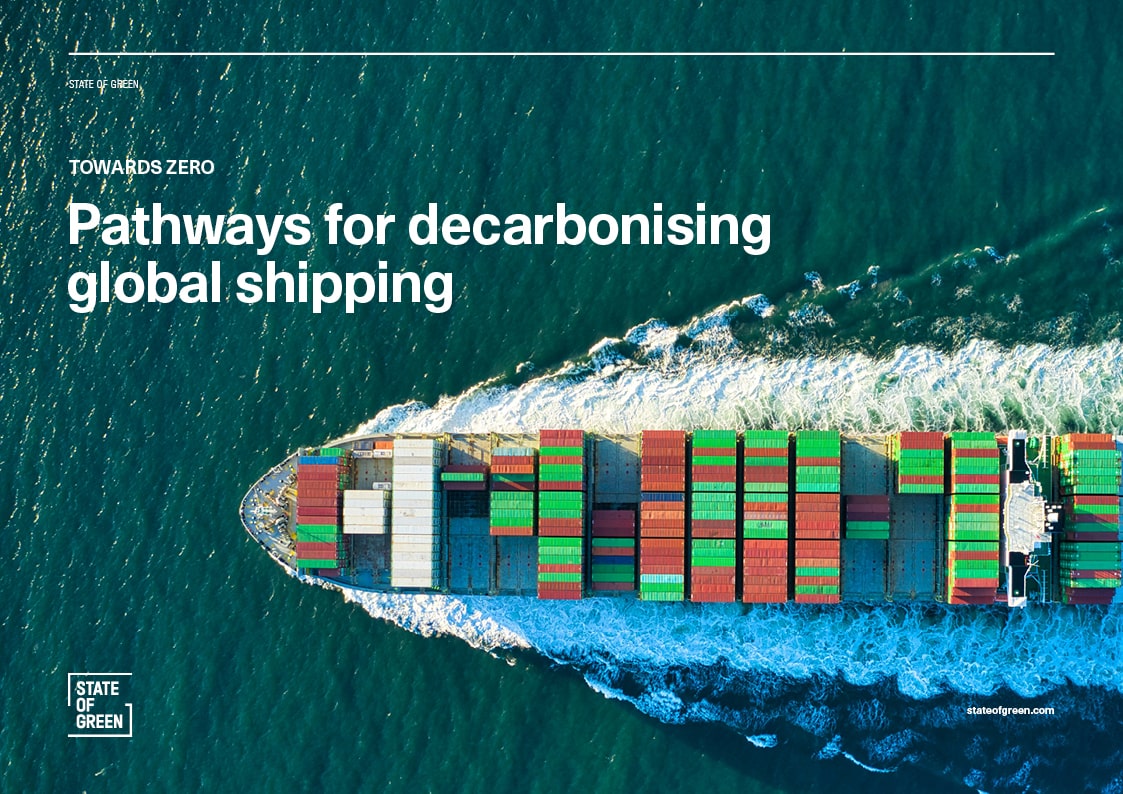
Publication: 'Towards Zero: Pathways towards decarbonising global shipping'

Building on longstanding maritime traditions, Denmark is committed to accelerating the global transition towards climate-neutral shipping and finding ways to overcome regulatory, financial, technological, and political barriers. Dive into Denmark’s push to decarbonise global shipping by exploring this white paper.

Discover the publication

You should consider reading

Energy efficiency in industry
Green Shipping

Solution

Building design

+20

Renewables Focus with Port Development

2 April 2026
A European municipality sought to define a clear vision for transforming an industrial area into a hub for renewable energy manufacturing, while aligning stakeholders including municipal staff and elected officials.

News

Partnerships

+14

Relive highlights and partnerships from the Danish state visit to Australia

23 March 2026
During the 2026 Danish State Visit to Australia, more than 50 Danish companies joined forces with Australian partners to advance collaboration on renewable energy, green buildings, and sustainable innovation. Relive some of the highlights and concrete partnerships made during the week.