News
Aviation
Europe’s first domestic flight route using SAF opens
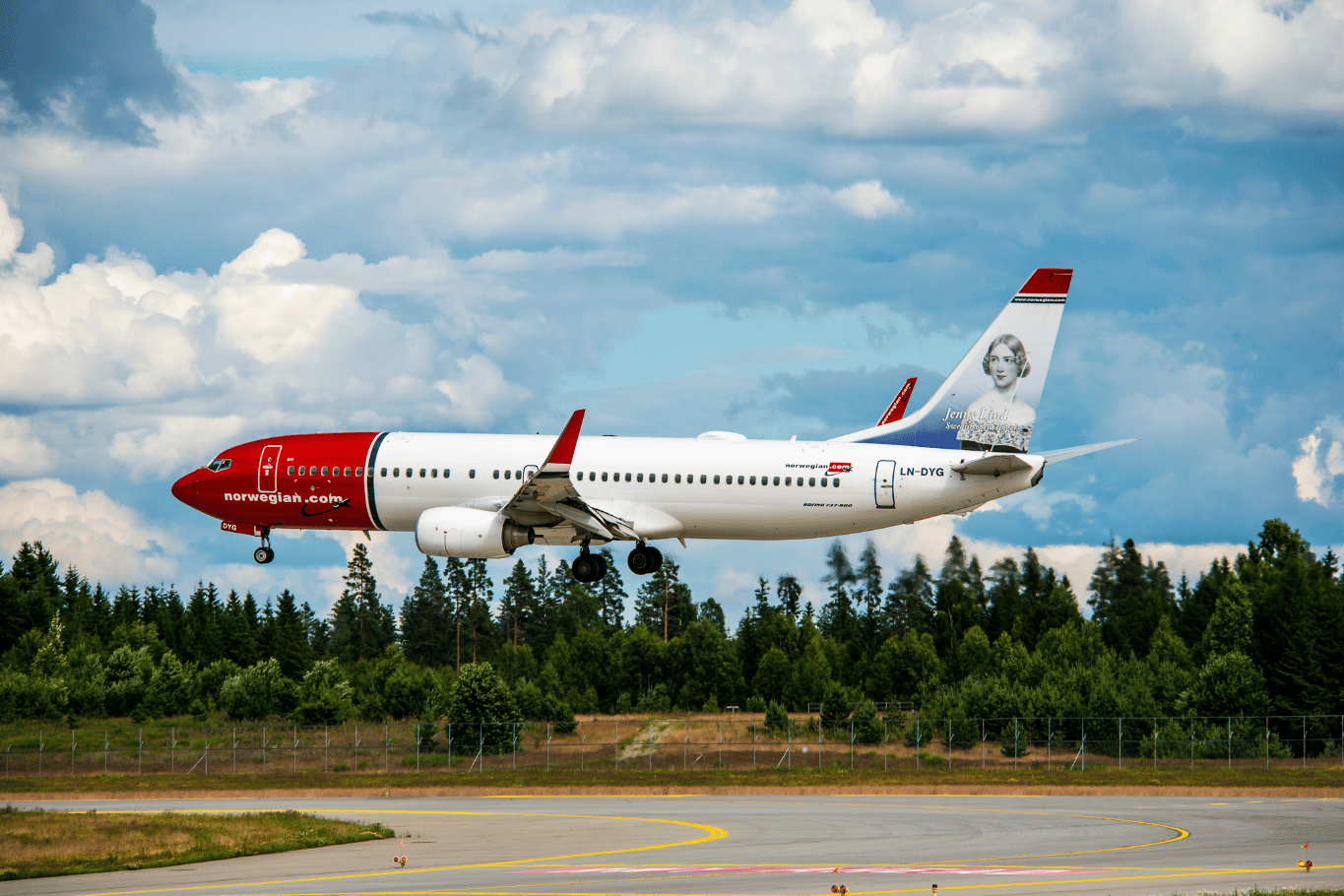
Photo credit: Norweigan
The route between Aalborg and Copenhagen, operated by Norwegian, took off for the first time on Wednesday, powered by a 40 percent blend of sustainable aviation fuel (SAF). By blending SAF with conventional jet fuel, the route is expected to reduce annual CO₂ emissions by around 3,000 tonnes compared with traditional fossil-based aviation fuel.
Sustainable aviation fuel can be produced from renewable or recycled feedstocks, such as used cooking oil, and can significantly reduce lifecycle emissions compared to conventional jet fuel. The fuel used on the route is refined in Gothenburg from renewable raw materials collected across European cities and supplied at Aalborg Airport.
Testing higher SAF blends in domestic aviation
While SAF currently remains significantly more expensive than fossil jet fuel, passengers on the Aalborg – Copenhagen route will pay the same ticket price as before. The difference is covered through public support aimed at accelerating the adoption of sustainable aviation fuels.
Although the aircraft still relies partly on fossil fuel, the initiative demonstrates how higher SAF blending can be deployed in practice today while the aviation industry continues to develop new low-carbon fuel pathways and technologies.
International regulations currently allow aircraft to operate with up to 50 percent SAF in the fuel mix, making the Aalborg–Copenhagen route one of the highest SAF blends currently used on a regular domestic route.
Part of Denmark’s national agreement on green aviation
The new route is part of Denmark’s political agreement “Green aviation in Denmark”, adopted in 2023 to accelerate the decarbonisation of domestic air travel.
As part of the agreement, several initiatives have been launched to support the use of sustainable aviation fuels and the development of new low-emission aviation technologies.
One of which aims to establish a green domestic route by 2025 and work towards fully sustainable domestic aviation by 2030, provided the necessary technologies and fuels are available.
By supporting early adoption of SAF and stimulating technological development, the initiative seeks to accelerate the aviation sector’s transition while maintaining connectivity across the country.