Skip to content

News

Security of supply

Offshore wind

Partnerships

+1

Europe doubles down on offshore wind with North Sea Summit “Investment Pact”

A joint offshore investment pact signed at the North Sea Summit 2026 marks a turning point for offshore wind in Europe – and a major boost to the continent’s energy security.

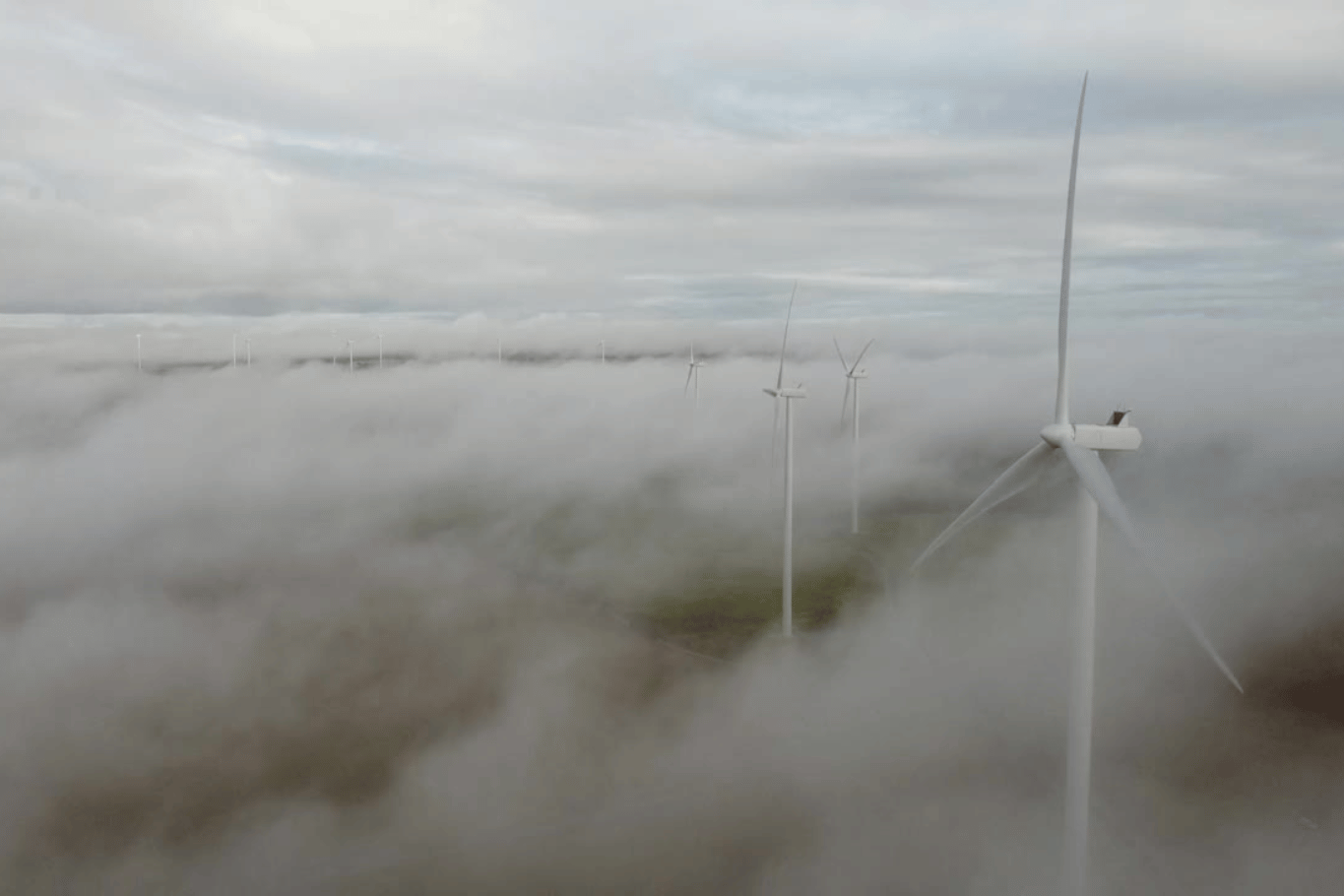
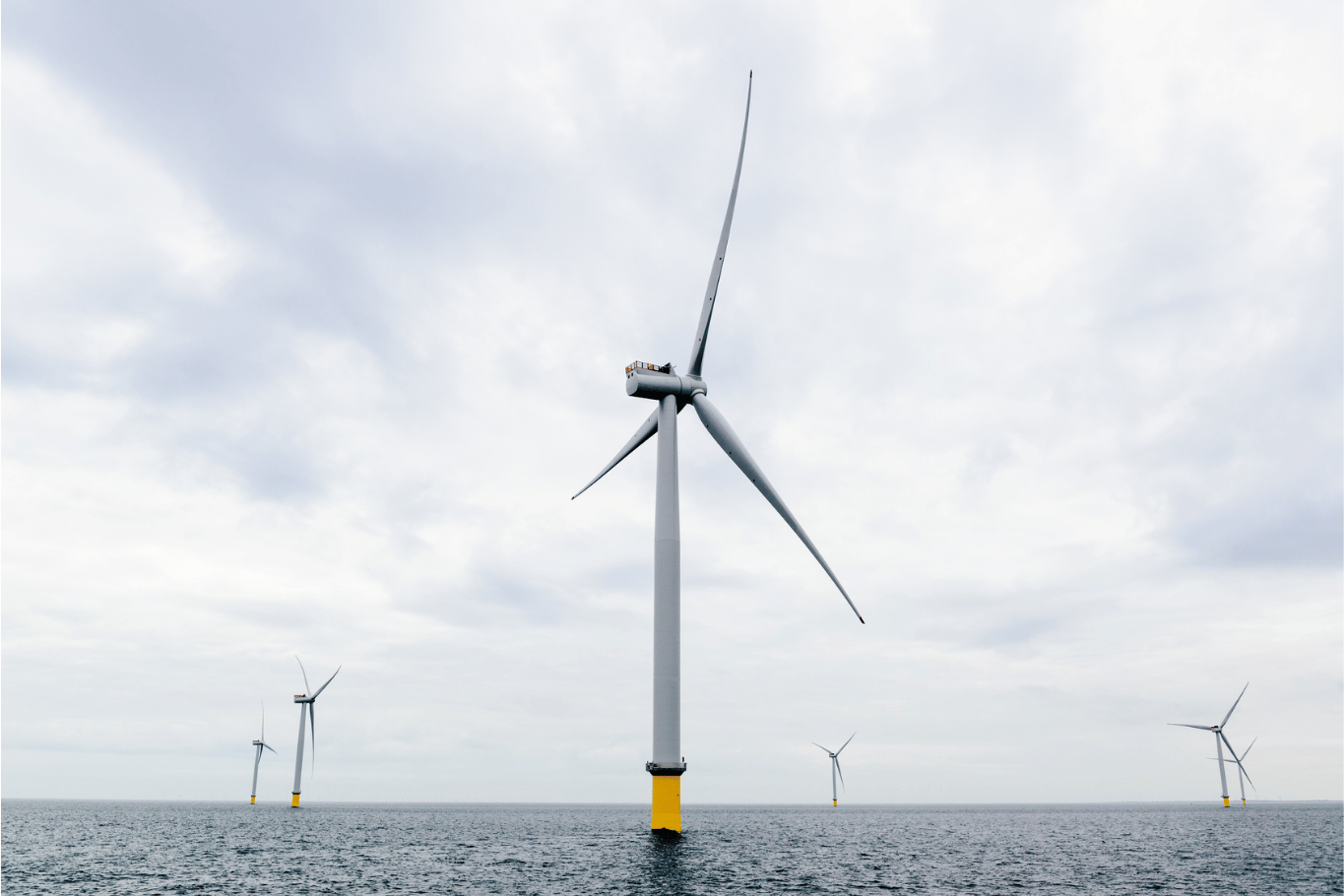
Turbine at Westermost Rough wind farm in the North Sea off the shore of the UK. Photo credit: Ørsted

Security of supply: Building resilient energy systems and societies

Security of supply is no longer only about safeguarding systems against disruption. It is about building energy and water systems that are flexible, efficient and resilient by design – and societies that are less dependent on scarce and imported resources.

Discover tangible cases and connect with solution providers specialising in energy security and water resilience.

Discover the focus area

At today’s North Sea Summit in Hamburg, governments from nine North Sea countries – Belgium, France, Germany, Ireland, Luxembourg, the Netherlands, Norway, the United Kingdom and Denmark – joined forces with the wind industry and transmission system operators to sign the Joint Offshore Wind Investment Pact for the North Seas. The agreement lays the foundation for a coordinated build-out of offshore wind capacity of 15 GW per year from 2031 to 2040, putting Europe on track to reach 300 GW by 2050.

The pact cements the North Sea’s role as Europe’s green power plant and strengthens cross-border collaboration to accelerate the deployment of clean, reliable, and affordable energy.

Reducing risks, increasing resilience

The agreement tackles some of the key bottlenecks in the current offshore wind pipeline: auction design, regulatory uncertainty, and investment risk. Through mechanisms such as two-sided contracts for difference (CfDs) and facilitated power purchase agreements (PPAs), the pact aims to de-risk projects and lower financing costs. Governments also pledged to streamline permitting processes and improve planning for cross-border projects.

In return, the offshore wind industry commits to cutting the cost of electricity from offshore wind by 30% by 2040, compared to 2025 levels.

€1 trillion in economic activity and 91,000 new jobs

The industry’s commitments go beyond cost reductions. Over the next decade, Europe’s offshore wind value chain aims to generate €1 trillion in economic activity, invest €9.5 billion in manufacturing, ports and vessels, and create 91,000 additional jobs.

Meanwhile, Europe’s transmission system operators will identify 20 GW of cross-border offshore projects by 2027 – including hybrid offshore wind farms that double as international interconnectors.

A strategic move towards energy independence

With 58% of the EU’s energy still imported, the shift to homegrown renewables is not just about climate targets – it’s about security and resilience. Offshore wind is a key part of that strategy. According to the European Commission, the agreement could save Europe €70 billion in fossil fuel imports, lower electricity prices, and cut EU carbon emissions by 15%.

Dan Jørgensen, European Commissioner for Energy and Housing, stated at the summit:

“’In these turbulent geopolitical times, Europe must stand strong and united — and choose independence. That means doubling down on clean, safe, home-grown energy. It means building on our natural strengths, and few are greater than the North Sea and its vast offshore wind potential. It means strengthening our interconnections so that affordable energy can flow freely across our continent. And it means securing our industrial leadership while guaranteeing our security. This is Europe’s path to true independence.”
Denmark’s role: Connecting the North Sea to Europe

Denmark plays a central role in translating the ambitions of the Investment Pact into tangible infrastructure and cross-border cooperation.

A key element in this is Bornholm Energy Island – a large-scale offshore energy hub in the Baltic Sea, set to become operational by 2030. The energy island will serve as a critical link between offshore wind production and energy consumers in both Denmark and Germany, enabling the direct transfer of green electricity across borders.

Together with planned offshore connections in the North Sea, Denmark is helping to integrate large volumes of renewable power into the European grid. The country’s infrastructure is being designed not just to produce electricity, but to share it – enhancing energy security, flexibility, and resilience across the region.

With the new Investment Pact, Denmark strengthens its position as a key transmission and coordination hub in northern Europe’s clean energy transition, contributing directly to the shared goal of 300 GW of offshore wind capacity by 2050.

You should consider reading

Offshore wind
Partnerships
Security of supply
Wind farm planning and development