News
Solar thermal energy
Danish electrical grid independent of centralised power plants for 41 days
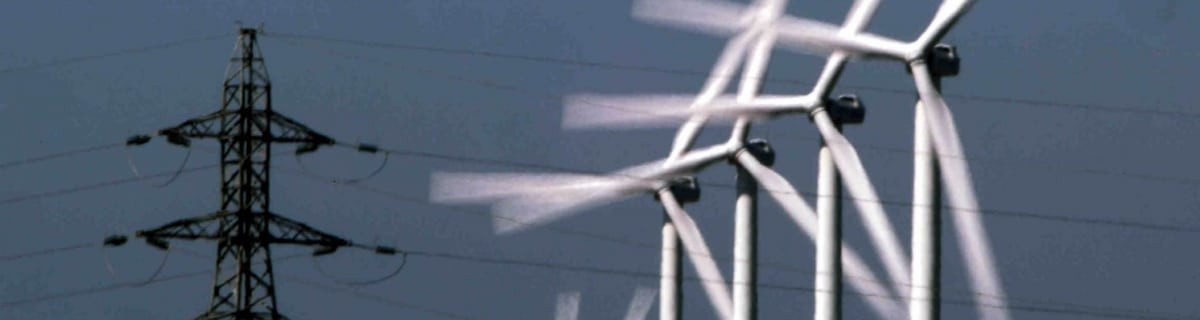

Last year, the electricity grid in western Denmark managed a total of 985 hours without relying on centralised power plants to maintain the frequency and tension in the grid. That is the conclusion from the government-owned Energinet on the basis of their operational figures from 2017.
The longest continuous period was one week, which stands in sharp contrast to 2015 when Energinet’s staff could barely believe that they had managed a whole day without relying on the centralised power plants.
-The numbers reflect that the electricity system is undergoing enourmous developments, says head of Energinet’s control centre Bent Myllerup and adds:
-Not long ago even 10% wind power seemed impossible to work with. Now we are able to run on sun, wind and decentralised power production for long periods without having to rely on support from centralised power plants.
-Related news: Close Collaboration Between German and Danish DSOs
Centralised power plants are still needed
All 985 hours fell during the summer when there is generally less pressure on the electricity grid due to lower demand for district heating. The centralised power plants on Funen and Jutland did not produce any electricity for a whole week between the 23rd-30th of June, while on Zealand there was an average power plant capacity of 280 MW.
-That does not mean that centralised power plants and the regulated capacity that they offer have become entirely redundant. But whereas in the past we depended more often on centralised power plants to maintain a stable electricity supply, it is rarely necessary anymore, continues Bent Myllerup.
Learning by doing
It is important to differentiate between supply of kilowatt hours and supply of supporting serivces that contribute to maintaining frequency, tension and short circuit power in the electricity grid.
The supply of electricity is decided through demand and supply on the market. Supporting services are also offered on a market, however Energinet can request the centralised power plants to deliver the services if the market is unable to do so. Such situations are becoming increasingly rare as other actors and technologies, such as synchronous motors, become able to deliver those services. Therefore it is typically in connection to maintenance work on the grid that Energinet asks the centralised power plants to turn on their power production in order to secure a stable electricity supply.
-To run the electricity grid with large amounts of renewable energy is a case of learning by doing, because there are no textbooks to guide you. Fortunately, we are learning a lot, at the same time as system-based functions in for example wind turbines are developing, says Bent Myllerup.
-Related news: Danish Security of Electricity Supply Remains Among the Best in Europe
Wind turbines not affected by faults in the grid
The control manager adds that modern wind turbines are not affected by faults in the electricity grid. They are able to continue running due to the ’Fault ride through’ technology.
The industry association Danish Energy has previously criticised statements from Energinet expressing that the centralised power plants’ supporting services are becoming redundant. They point out that by the late summer 2017 the large power plants had been asked to produce electricity for the grid 27 times, compared to 11 times in 2016.
-Source: Ingeniøren
You should consider reading



Solution
Energy efficiency in buildings
+5
Recommending Investments in New Technologies to optimize Energy Supply
17 March 2025
State of Green
Combined heat and power production
+9