News
Bio-based circular solutions
Biomass
Building materials
+2
Blue biomass and green buildings: New effort to explore the potential for using ocean resources as building materials
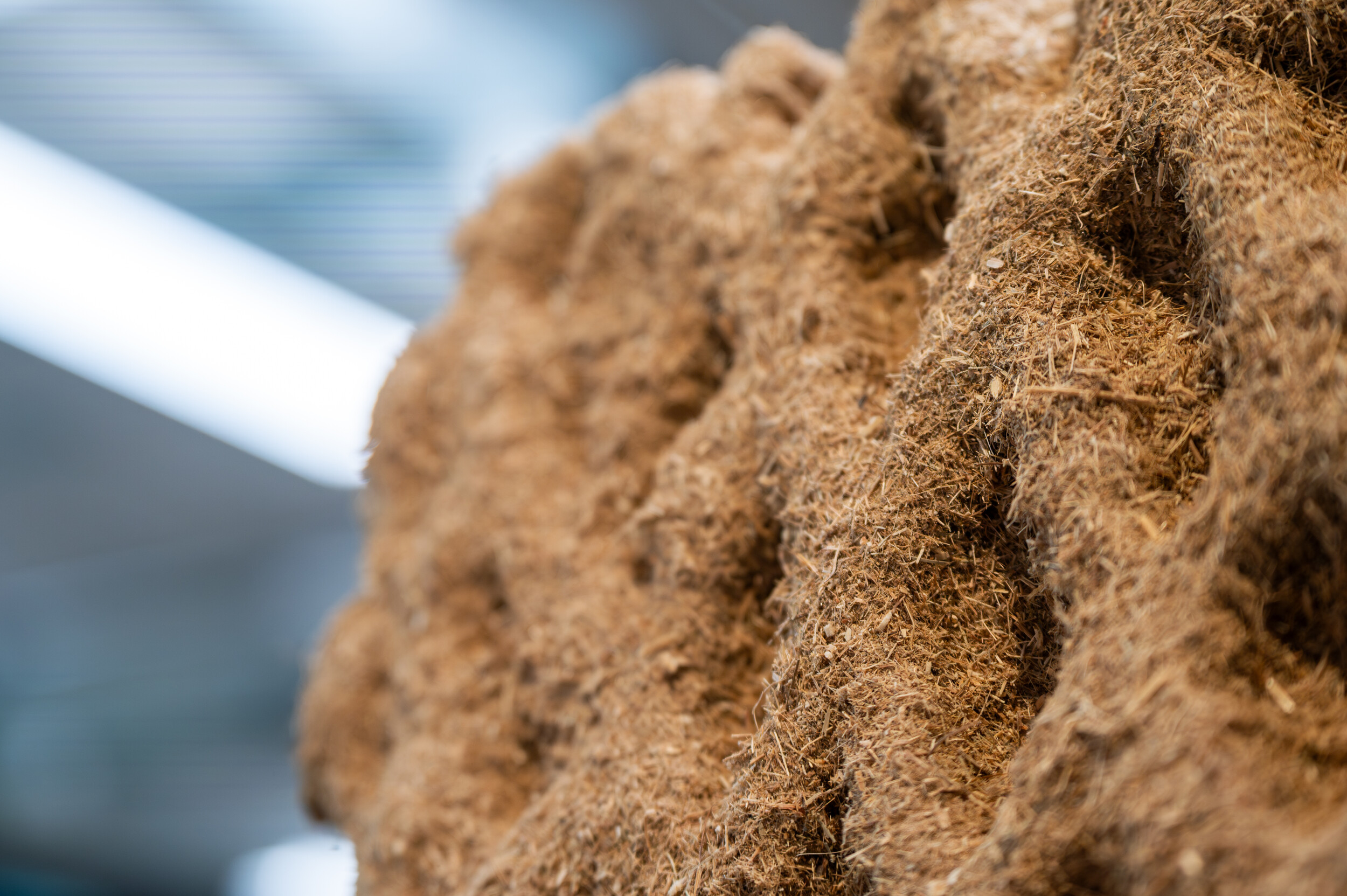

Can algae, eelgrass and mussel shells contribute to the green transition in the construction industry? A new project will now map future scenarios and create new knowledge about production, value chains and products of marine bio-based building materials and their applications. The diversity that marine natural products offer, as well as their unique properties, may in the long term make them an alternative to more conventional building materials, e.g. for insulation, boards and terrain decks.
The initiative is led by the engineering firm Arup and also includes 3XN / GXN, Blue Research and the Royal Danish Academy – Centre for Information Technology and Architecture. The philanthropic association Realdania supports the project, while experts from DTU Aqua, Aalborg University, and Queensland University participate as external partners.
“One of the best ways to reduce the climate impact of the construction sector is to find new materials with a lower carbon footprint. There is untapped potential in using biogenic material from the sea, such as seaweed and algae, as new building materials – and in a way that actually contributes to a better marine environment. We are now starting to uncover how big that potential is and how it can be scaled to across the value chain,” says Peter Vangsbo, Associate Director of Climate and Sustainability Services at Arup in Denmark.

A scenario-based playbook
The initiative will result in a publication that describes different types of marine biomass, the potential in terms of quantities and scale in Danish waters, and further identifies locations suitable for cultivation and extraction of the blue biomass. The publication will also include impact studies of carbon, environmental and social parameters, technical guidelines for building materials and concrete business models for future commercialization and upscaling.
Marine biomass includes a wide range of materials from living organisms, primarily plants and animals, found in the marine environment such as algae, eelgrass, mussel shells, chitin – and other derived materials such as bioplastics and the use of minerals.

Will contribute to improved marine ecosystems
The initiative will also support Denmark’s marine restoration goals. The government is investing 500 million kroner through the Green Tripartite Agreement to improve the condition of marine ecosystems. By intensifying the growth of blue biomass and converting it into sustainable building materials, it is possible to extract nutrients and carbon from the ocean, improve marine ecosystems and transform the built environment into a catalyst for ecological regeneration.
The publication is expected to be launched in 2026 and will equip researchers, policymakers and planners with concrete insights into blue biomass applications – and will also offer strategic recommendations for scaling up the production of such materials in Denmark and the Nordic region in line with the goals set by the EU’s Sustainable Blue Economy Partnership and the European Green Deal.
You should consider reading
Solution
Bio-based circular solutions
+8