Skip to content

News

Circular economy

Biodiversity

Circular value chains

+3

Europe’s environment 2025: Progress and pressure in Europe’s climate outlook

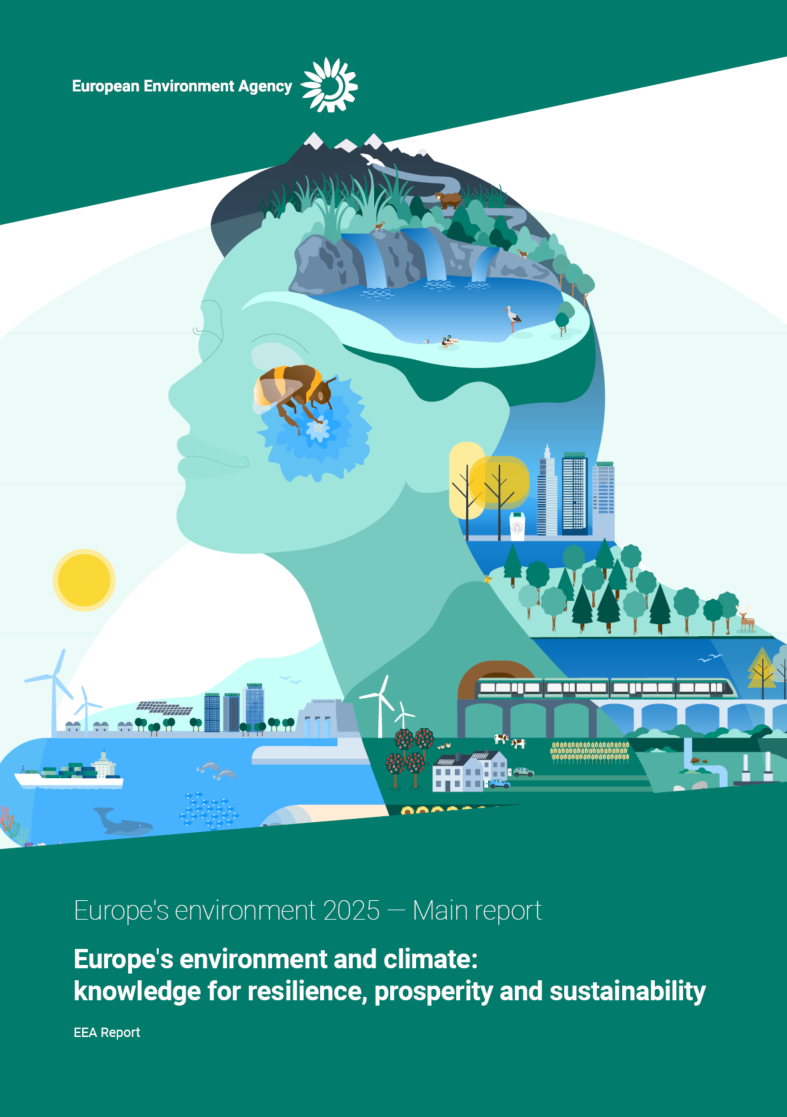
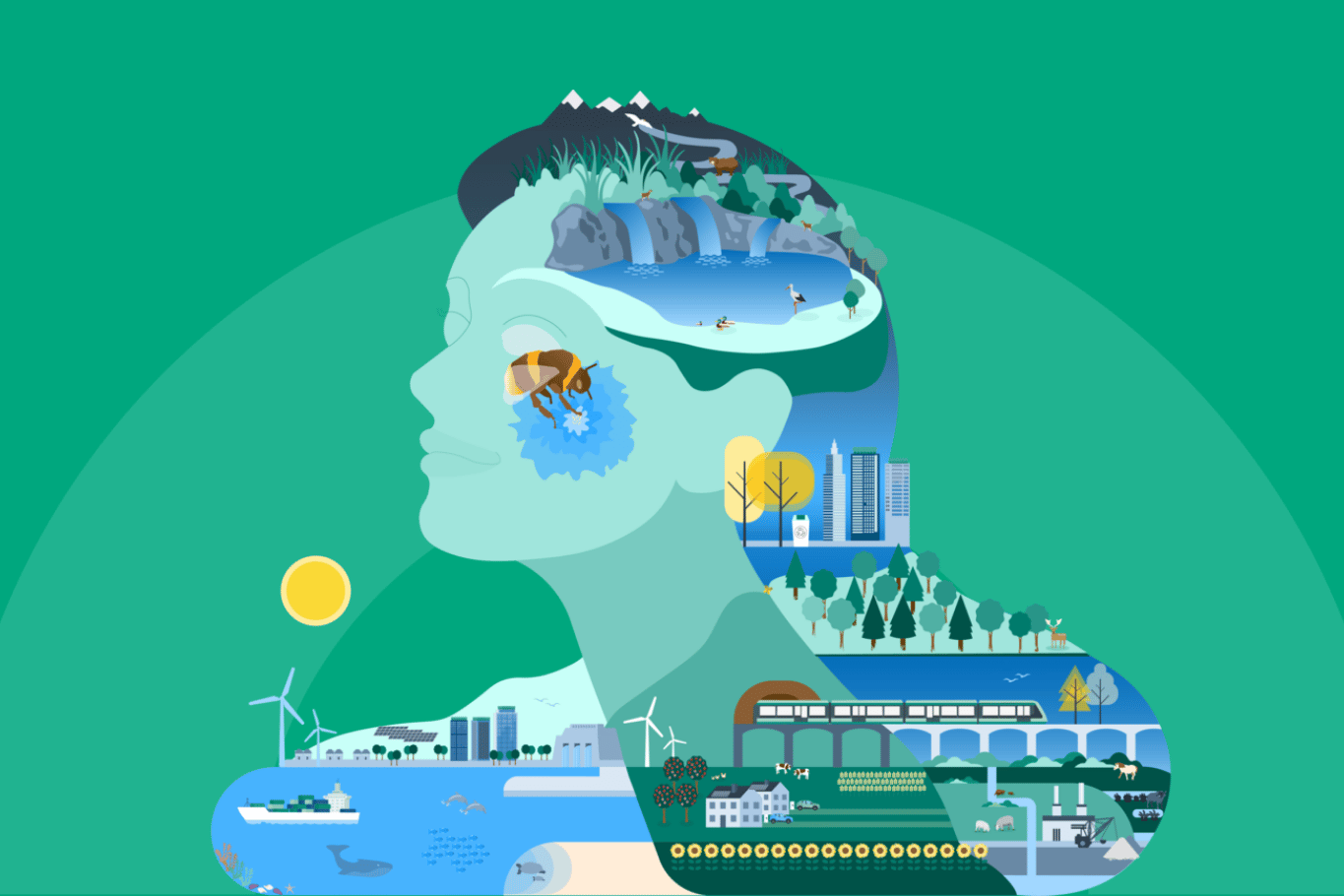
Released during Denmark’s EU Presidency, the EEA's flagship report warns that biodiversity loss, water stress and rising climate risks may overshadow progress on emissions and air quality. State of Green supported the launch by assisting a press trip visiting circular and climate-resilient solutions around Copenhagen.

Photo credit: European Environmental Agency

image
29 September 2025

Read the full report

Europe’s environment 2025 is the most comprehensive analysis on the current state and outlook for the continent’s environment, climate and sustainability, building on data from across 38 countries.

The report is made by the European Environment Agency.

Read the full report

On 29 September 2025, the European Environment Agency (EEA) launched its latest flagship report, ‘Europe’s environment and climate: knowledge for resilience, prosperity and sustainability’, during a joint press conference with the European Commission.

The report was published under Denmark’s Presidency of the Council of the European Union and will be further explored at a high-level conference in Brussels on 30 September, hosted by the Danish Presidency and the Council Secretariat.

Compiled in close collaboration with 38 countries, the EEA’s 7th five-yearly state of the environment report presents a detailed picture of Europe’s environment, climate and sustainability outlooks. While noting progress in areas such as renewable energy and air quality, the report delivers a clear and urgent message: the overall state of Europe’s environment is not good, and the trends for biodiversity, climate adaptation and resource use are deeply concerning.

“We cannot afford to lower our climate, environment and sustainability ambitions. Our state of environment report, co-created with 38 countries, clearly sets out the science-based knowledge and demonstrates why we need to act,” said Leena Ylä-Mononen, Executive Director of the EEA.

In the press release accompanying the launch, the EEA underscores the complex and interconnected challenges facing the continent – from accelerating biodiversity loss and water stress to the widening impact of climate-related disasters such as floods, droughts and heatwaves. These impacts not only undermine nature but also threaten Europe’s economic competitiveness, energy security and quality of life.

The report warns that “achieving climate neutrality by 2050 hinges on better and responsible management of land, water and other resources.” Without transformative action, Europe risks crossing environmental tipping points and weakening the very systems that underpin food security, infrastructure, public health and social cohesion.

“Protecting nature is not a cost. It is an investment in competitiveness, resilience and the well-being of our citizens. By scaling up action now, we can build a cleaner, fairer and more resilient Europe for future generations.” Teresa Ribera, Executive Vice-President for Clean, Just and Competitive Transition at the European Commission

With global environmental pressures mounting, the report urges policymakers and stakeholders to scale up implementation of the European Green Deal and align closely with the European Commission’s Competitiveness Compass priorities: innovation, decarbonisation and security.

From a Danish perspective, the timing of the report provides a unique opportunity to reinforce European collaboration around green solutions. The findings highlight the need for accelerated action in precisely those areas where Denmark has significant expertise to offer – such as renewable energy integration, circular economy practices and nature-based adaptation strategies.
Progress and pressure: Key conclusions from the EEA report

Despite measurable progress in several areas, the Europe’s environment 2025 report paints a sobering picture.

According to the EEA, the overall state of the environment in Europe remains critical, with worsening trends in biodiversity loss, water stress and climate-related impacts. As the fastest-warming continent on the planet, Europe is already experiencing the tangible effects of climate change – from devastating floods and droughts to deadly heatwaves and widespread ecosystem degradation.

However, the report also identifies positive trends. Employment in environmental goods and services is growing faster than the overall labour market, and green investments are driving job creation. Europe holds 27 percent of global cleantech patent families, underlining its potential to lead in green innovation. Nature-based solutions, the expansion of renewable energy and circular economy strategies are highlighted as essential tools to restore ecosystems and strengthen resilience.

Highlights from the report:

Discover the insights

Denmark has set high ambitions for climate action and environmental protection, but faces challenges in areas such as consumption and waste generation.

Discover the conclusions

Denmark: Progress amid environmental challenges

The country profile on Denmark included in Europe’s environment 2025 outlines both commendable progress and pressing challenges. As a high-income, small EU Member State with strong climate ambitions, Denmark is widely recognised for its leadership in renewable energy, emissions reduction and green innovation. Over the past two decades, the country has made significant strides in integrating renewable energy into power generation, industry and households. A complete transition to green electricity by 2030 is well underway, supported by large-scale offshore wind parks and Power-to-X infrastructure.

Denmark’s Climate Act, adopted in 2020 with broad political backing, legally commits the country to reducing greenhouse gas emissions by 70% by 2030 (compared to 1990 levels) and achieving net zero by 2050. This framework has spurred action across multiple sectors, including energy and mobility, where the uptake of electric vehicles is steadily increasing.

However, the country also faces critical environmental challenges — particularly around land use, biodiversity, water pollution and material consumption. With 59% of Denmark’s land area used for agriculture, nutrient runoff continues to affect aquatic ecosystems. Despite the country’s environmental ambitions, progress in restoring nature and biodiversity remains limited.

To address this, the landmark green tripartite agreement, adopted in June 2024, sets out a broad framework for transforming land use in Denmark. Developed in partnership between the government and key stakeholders, the agreement aims to increase protected nature areas to 20%, reduce agricultural nutrient pollution in line with the EU Water Framework Directive, and cut CO₂ emissions from low-lying soils. The agreement is viewed as a model for collaborative governance and locally anchored environmental action.

Denmark also grapples with high levels of material use and waste generation. The implementation of the EU’s extended producer responsibility regulation, along with national awareness campaigns, is intended to increase circularity and reduce environmental footprints.

In summary, while Denmark demonstrates strong leadership in decarbonisation and green energy, the report underscores the need to accelerate progress on biodiversity, land use and resource efficiency. The Danish experience highlights the importance of broad political consensus, public-private partnerships and long-term investment in the green transition.

International press trip connects local action to European goals

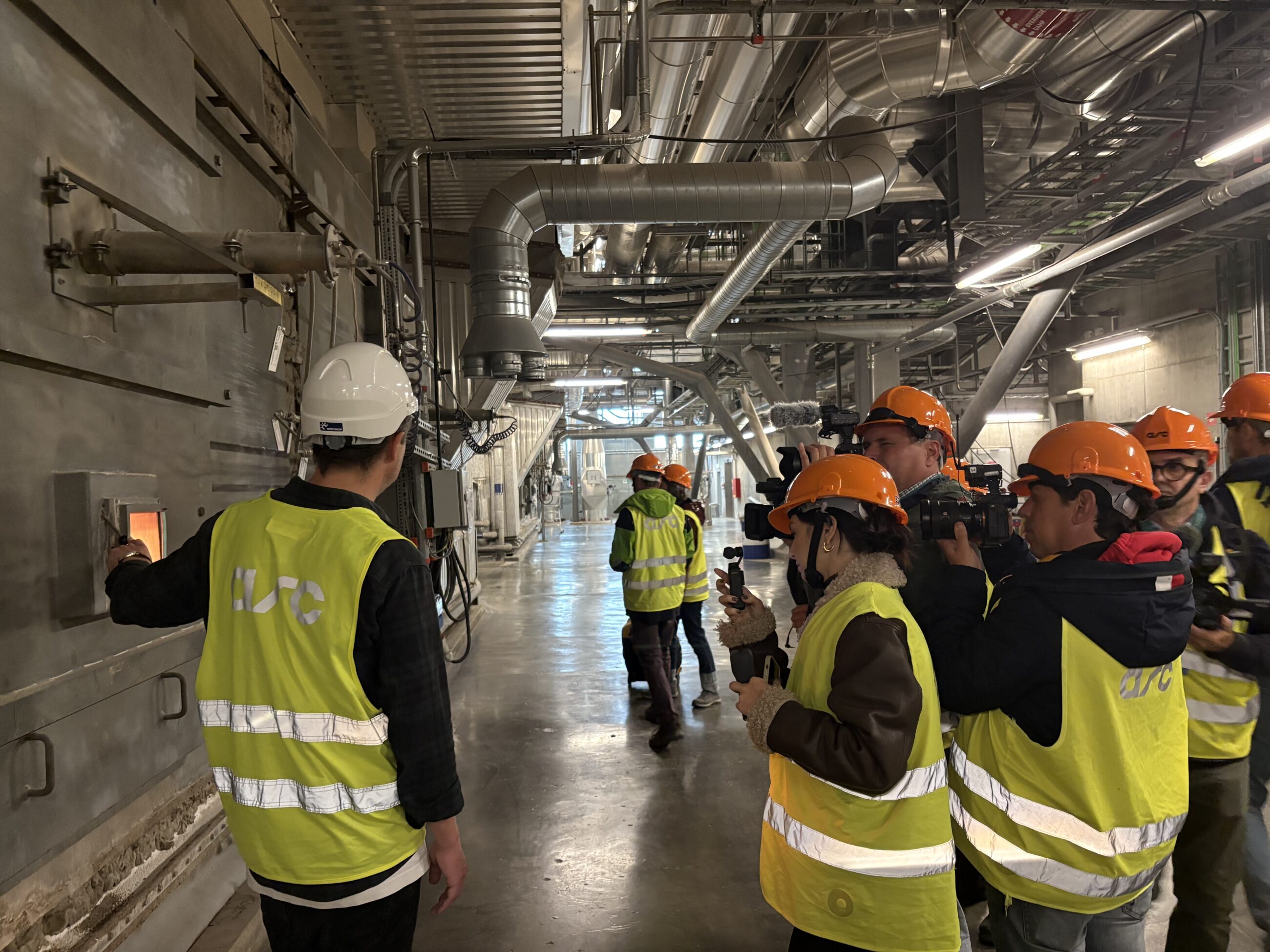
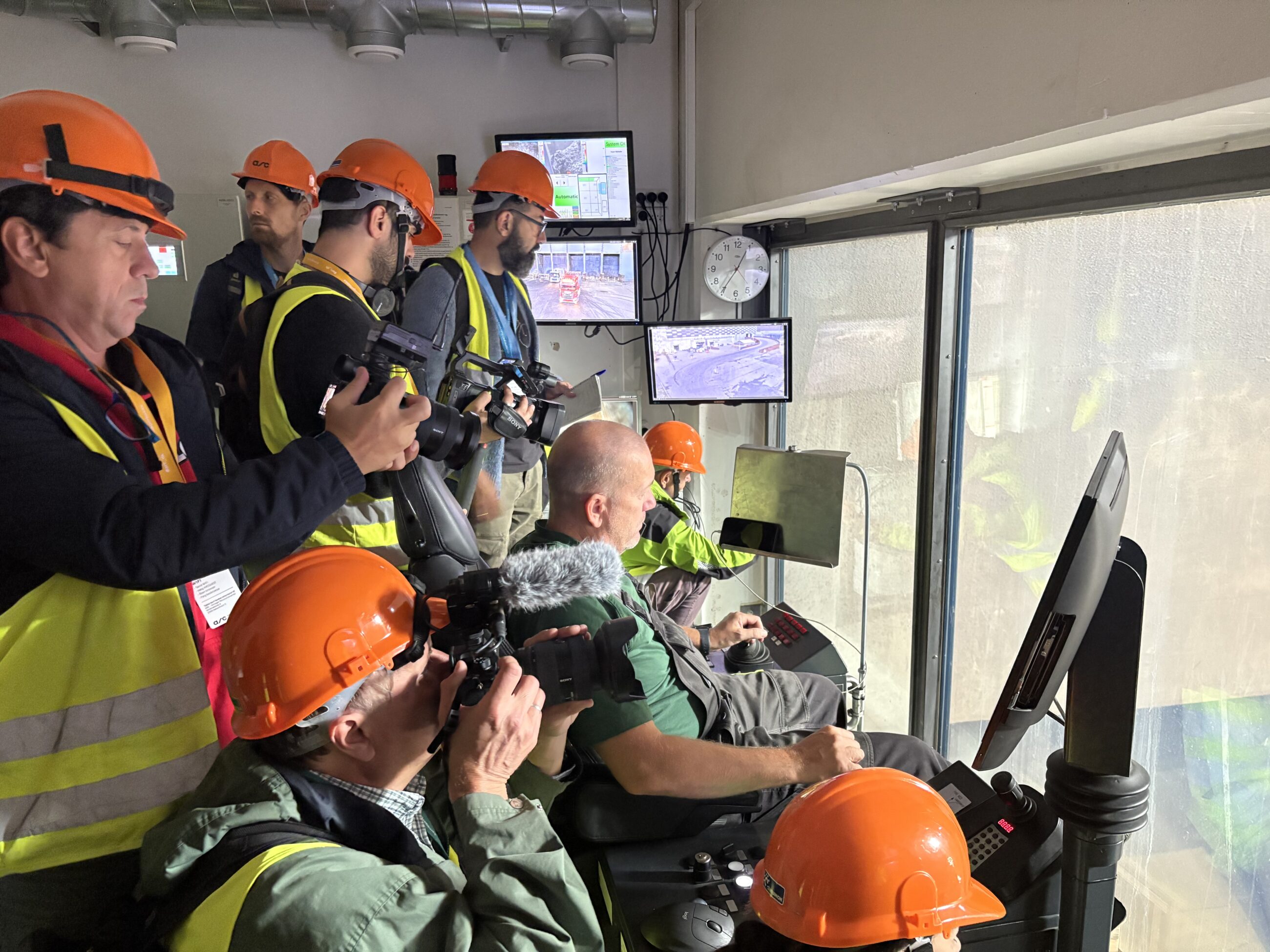
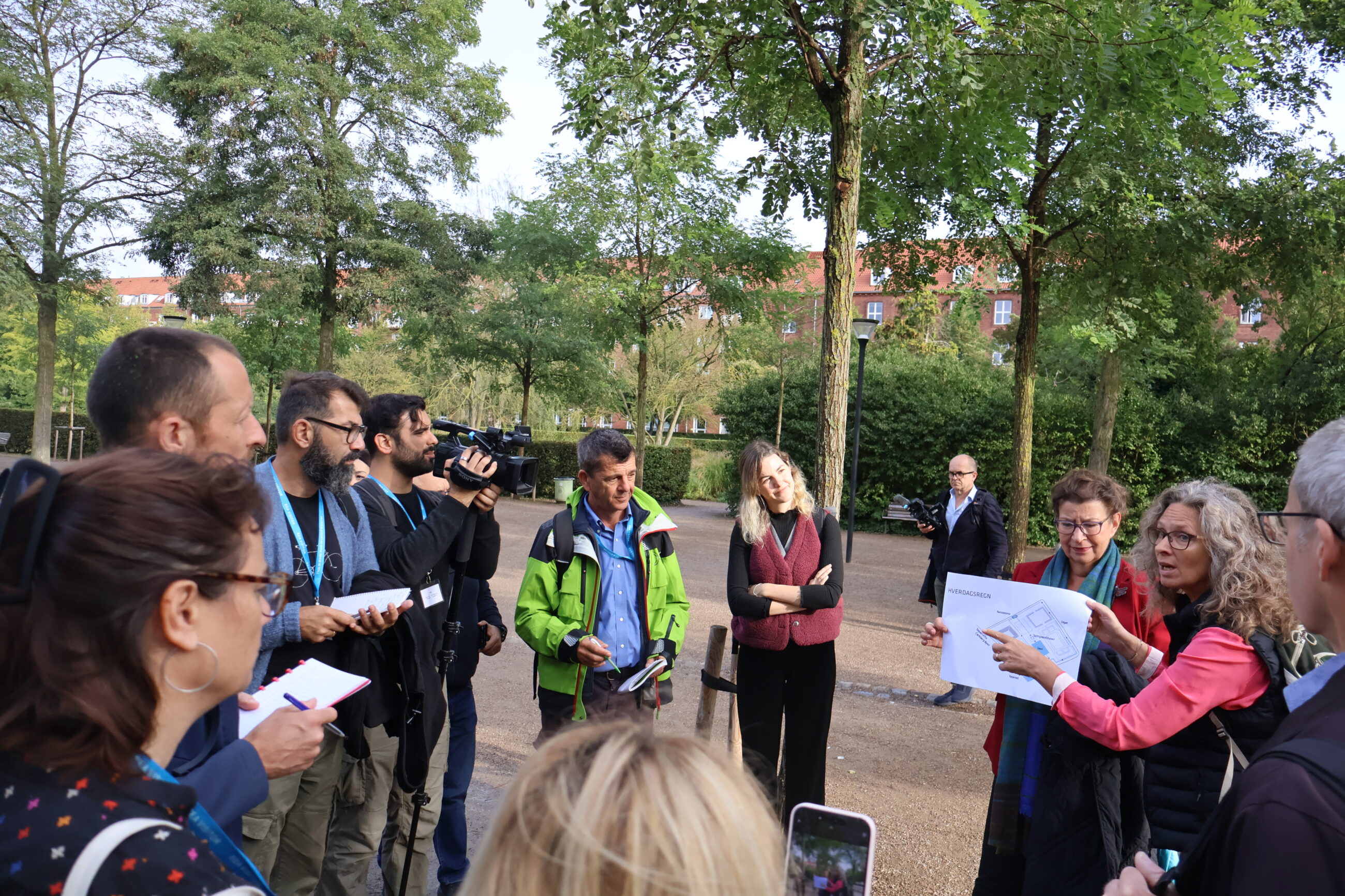
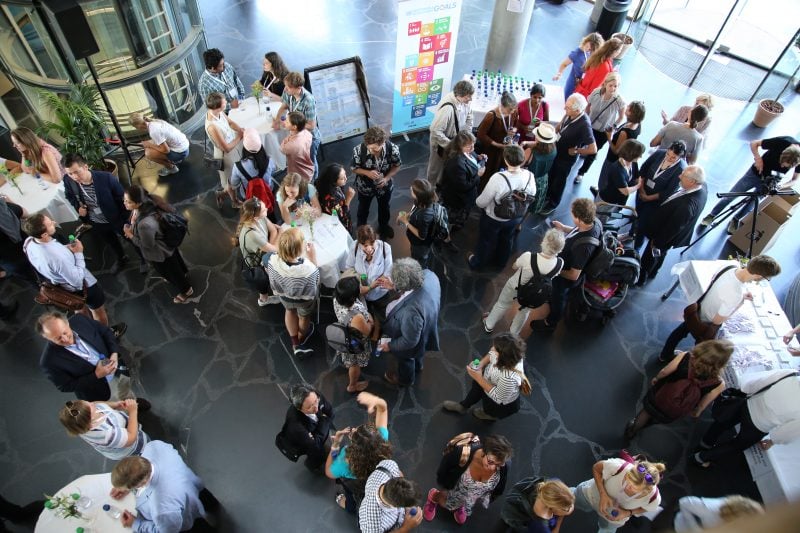
In the lead-up to the launch of the report, State of Green welcomed a delegation of more than 15 international journalists and media representatives to Denmark for a two-day press trip spotlighting local solutions to global environmental challenges.

The visit, organised in cooperation with the Danish EU Presidency, aimed to provide concrete examples of how Danish cities and companies are delivering on the European Green Deal’s ambitions. Journalists from leading European outlets explored a range of site visits and projects in and around Copenhagen – each showcasing how innovation, partnerships and climate adaptation are being translated into tangible results.

logo

Want to learn more?

Stine Lykke Vestergaard
Head of Press

[email protected]

+45 4223 8842

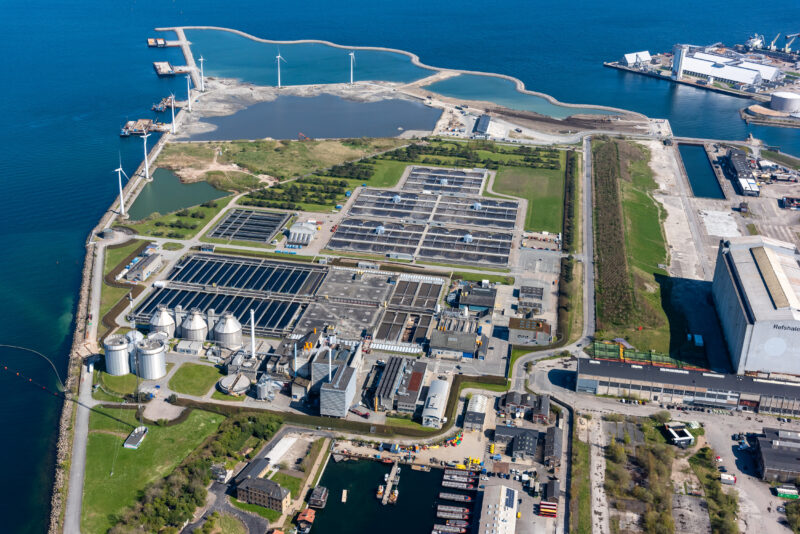
At the Sydhavn Recycling Centre, participants learned how circular economy practices are being scaled to reduce waste and promote resource efficiency. At Enghaveparken, Copenhagen’s flagship sponge city project, the delegation witnessed how multifunctional urban spaces can simultaneously enhance recreation, climate resilience and flood protection. Finally, a visit to Amager Bakke (ARC) – a combined waste-to-energy plant and architectural landmark – illustrated how cutting-edge energy recovery can support emissions reduction while engaging the public in sustainable urban design.

These site visits brought to life the central message of the EEA’s report: that transformative change is not only necessary but already underway. While the report warns of worsening environmental indicators and the urgency of accelerating action, it also emphasises the role of cities, communities and businesses in delivering solutions.

Discover related publications

Towards a sustainable industry white paper

Towards a sustainable industry

Industry stands at the centre of climate and resource challenges - now is the time to rethink how we produce. Discover solutions for competitive, efficient and resilient production in this white paper on "Towards a sustainable industry".
Discover the publication

From biodiversity commitments to concrete action

Explore Denmark’s Biodiversity Partnership, find inspirational cases, and practical recommendations for biodiversity efforts, in this publication launched at COP16 in Cali, Colombia.
Discover the publication

Sector coupling

Discover the hidden potential of sector coupling in this white paper, offering valuable insights and practical solutions that can inspire and guide global efforts towards a green and sustainable transition.
Discover the publication

You should consider reading

Biodiversity
Circular economy
Circular value chains
Climate change adaptation
Resource reuse and recycling
Security of supply

Event

Water supply

+19

Danish Water Export Day 2026

3 June 2026
Water Export Day is being held this year on September 1st at Danish Industry, bringing together the Danish water industry with a focus on exports. Together, we will discuss how and what opportunities exist to strengthen the export of Danish water technology and know-how. The event will serve as a pl

Solution

Building design

+20

Renewables Focus with Port Development

2 April 2026
A European municipality sought to define a clear vision for transforming an industrial area into a hub for renewable energy manufacturing, while aligning stakeholders including municipal staff and elected officials.