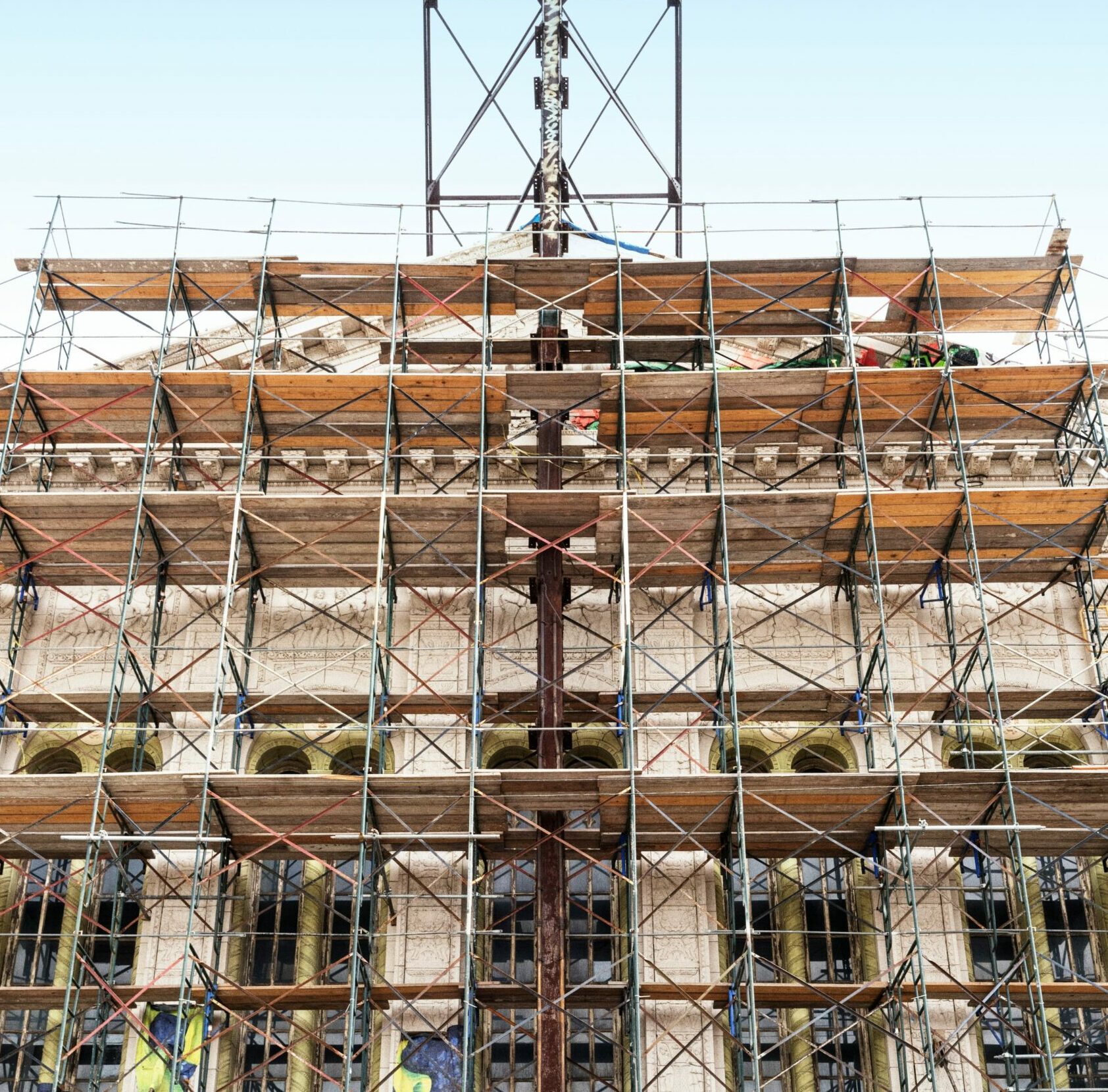
It is estimated that 85–95 percent of the European building stock in 2050 has already been built. This makes energy renovation essential for meeting climate targets, enhance energy security, and improve quality of life.
Danish Solutions for Energy-Efficient Buildings
Improving the energy performance of buildings is a strategic priority for countries aiming to cut emissions, reduce energy demand, and build resilient societies. In Denmark, energy efficiency in buildings has long been at the heart of national climate efforts. Over decades, public-private partnerships has fostered a regulatory environment that encourages innovation, while supporting building owners in making the green choice. Denmark’s robust framework includes ambitious building codes, energy labelling schemes, digital tools, information campaigns, and strong stakeholder involvement. Today, Danish companies deliver world-class solutions for insulation, windows, smart energy management systems, and sustainable architecture—helping buildings become not only more efficient, but more comfortable and future-ready.
Renovation with Impact
Renovating and retrofitting existing buildings is indispensable for reducing emissions, but also for delivering economic and social benefits. A well-executed renovation project can reduce CO₂ emissions, lower energy bills, and improve property value. Just as importantly, energy renovation can enhance indoor comfort and health, particularly in vulnerable communities. In a time of rising energy prices and growing climate awareness, the case for sustainable renovation is stronger than ever. It can reduce strain on energy systems, accelerate decarbonisation, and strengthen societal resilience. To unlock this potential, energy renovations must be planned and implemented with a holistic mindset—balancing environmental ambitions with social equity and economic feasibility.
About this white paper
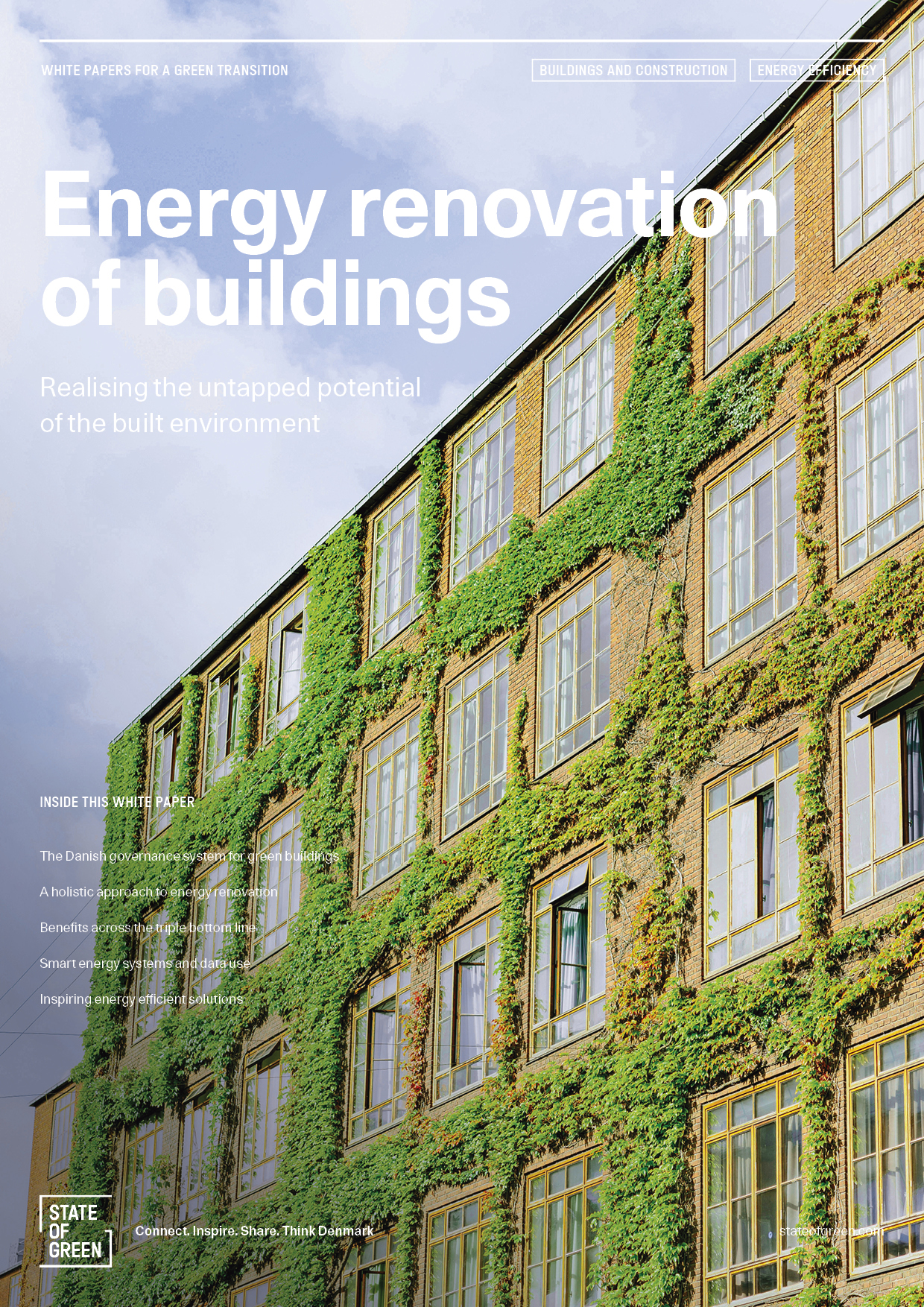
This white paper presents tangible approaches to unlock the energy efficiency potential of the built environment. From governance frameworks and financing models to technical innovations and strategic partnerships, it shares lessons and best practices from Denmark and beyond. By sharing solutions and showcasing how energy renovation can support climate goals, energy resilience, and better living conditions, we hope to inspire actions globally. Renovating the world’s building stock is not only a necessity—it’s an opportunity to build a greener, healthier and more inclusive future.