Reducing losses promote revenue and protects resources
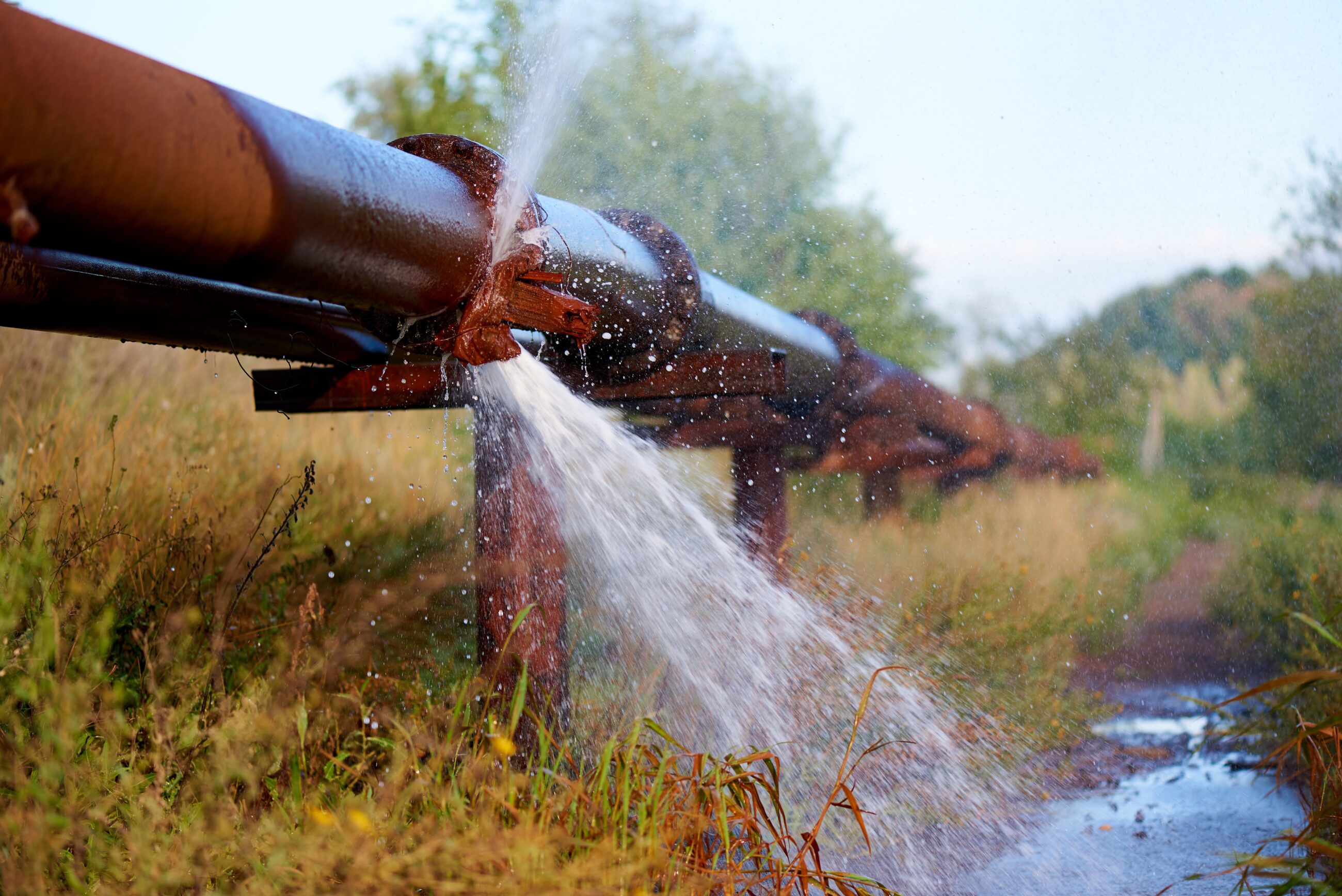
Huge volumes of drinking water are never invoiced due to leakages, deteriorating infrastructure, inaccurate billing systems, deficient customer registration, inaccurate metering, reservoir overflow and illegal connections. In the long run, neglecting to reduce NRW poses a threat to the development of the entire water supply system.
High levels of NRW will have a serious impact on the financial viability of water utilities and entire communities due to revenue losses and unnecessarily high operating costs. NRW thus directly affects the ability of water utilities to fund necessary service expansions, conduct proper maintenance and invest in new technology. In general, reducing NRW by half within two to four years is an achievable target for most water utilities with water losses above 20 percent. This entails an assumption that both a strategic focus and required funding are present.
A reduction at that level will generate a considerable increase in annual income from billing, as well as reduced costs for water production. In addition to simply running a good business, reducing NRW is also a fundamental public service responsibility and a vital component in reaching the UN Sustainable Development Goal on Clean Water and Sanitation (SDG 6).
As water resources face growing pressure from climate change, urbanisation and rising demand, ensuring a stable and reliable water supply is more critical than ever. Reducing NRW helps safeguard the security of supply by minimising losses, increasing system resilience and supporting long-term resource planning. Securing water supply is not just a technical goal, but a foundation for sustainable development and public well-being.