Skip to content

Case

Environment and agriculture

Biodiversity in agriculture

Restoring nature: From Farmland to Flower Meadows

9 September 2025

Solution provider

Danish Agriculture and Food Council

Population growth, food demand and climate change are major challenges. Food production impacts the climate and, as a result, new and innovative solutions are needed, if we are to satisfy the rising global demand for food, while considering the climate challenges the world is facing.

More from Danish Agriculture and Food Council

Want to see this solution first hand?

Add the case to your visit request and let us know that you are interested in visiting Denmark

Challenge

Restoring biodiversity in Denmark requires large-scale changes in land use. Agricultural land covers much of the country, and reintroducing nature into these areas involves identifying suitable land and ensuring long-term protection through agreements with farmers. While large-scale restoration is part of national and EU biodiversity strategies, it depends on the active involvement of landowners and farmer as local collaboration is key to achieving permanent results.

Solution

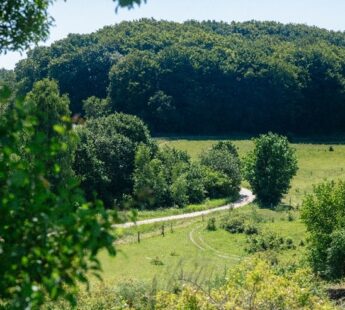
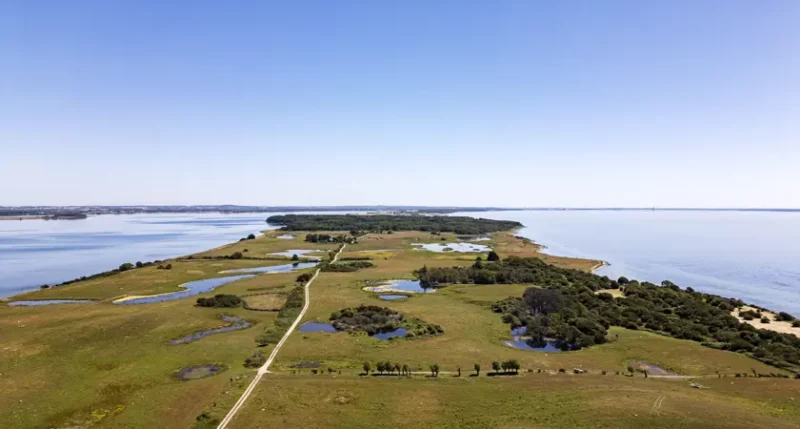
In the municipalities of Vordingborg, a Danish farmer is contributing to a large-scale nature restoration project that transforms cultivated farmland into permanent natural areas. The project is part of Denmark’s Nature and Biodiversity Package and focuses on re-establishing meadows, wetlands and flower-rich open habitats.

Restoration measures include halting drainage, removing technical installations and restoring natural water levels. Harvesting of local and native species have been made in the surrounding nature areas to enhance the recolonization of the area.

Result

The project was officially completed at the end of 2024 and has exceeded all expectations as the entire project area is now under permanent nature protection. The restored meadows provide habitats for insects, birds, amphibians and plant species and contribute to ecological connectivity in the region. The project supports Denmark’s commitments under the EU Biodiversity Strategy and offers accessible nature areas for local communities. The approach demonstrates how local partnerships can support national biodiversity goals through voluntary land-use change.