Solution provider

We are a value-driven, multi-disciplinary engineering consultancy fundamentally committed to sustainable progress and service delivery.
case
Non-revenue water
Water resource management
We are a value-driven, multi-disciplinary engineering consultancy fundamentally committed to sustainable progress and service delivery.
Add the case to your visit request and let us know that you are interested in visiting Denmark
Photo credit: NIRAS
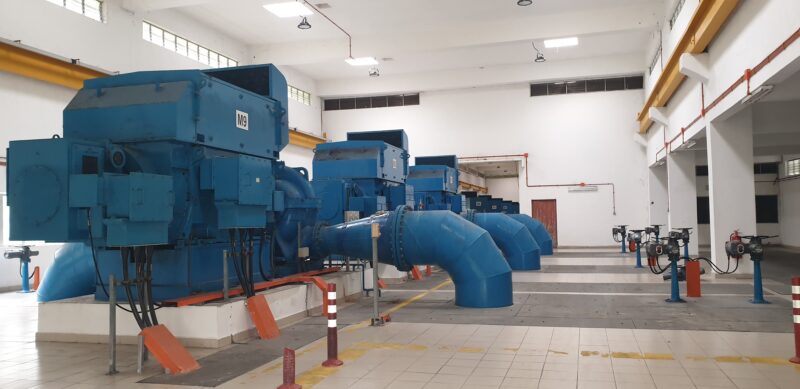
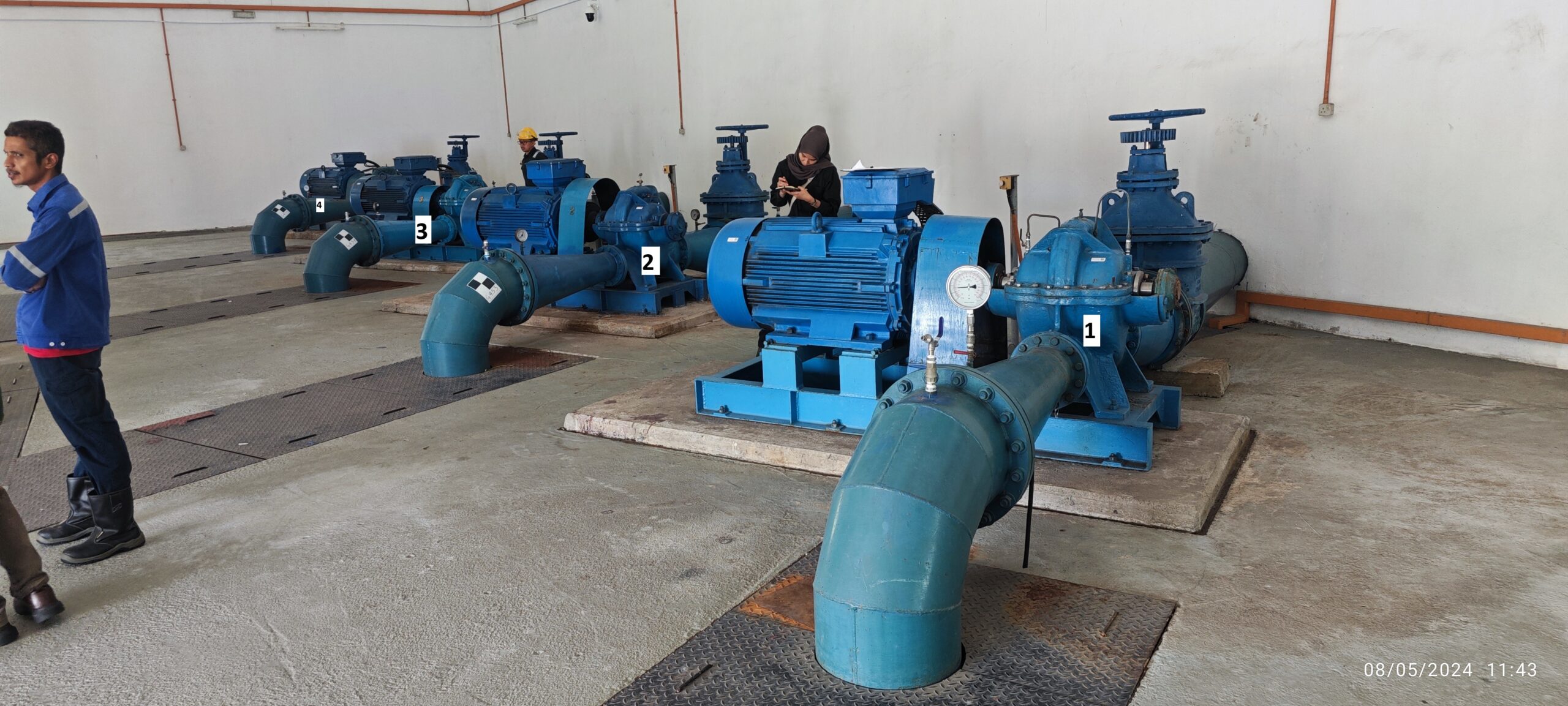
In Malaysia’s most populous state, Selangor, the public water utility Pengurusan Air Selangor Sdn Bhd serves more than 9 million residents through an extensive supply system. The network faces growing challenges in balancing efficient water delivery with high energy consumption, particularly for pumping. High pressure levels while ensuring sufficient supply also contribute to significant water losses through leaks and pipe bursts. With rising energy prices and increasing pressure on water resources, the utility sought a solution to optimise operations across its PMAs and DMAs.
To identify and unlock efficiency gains, engineering Danish consultancy NIRAS partnered with Malaysian firm Heliosel Sdn Bhd to conduct a feasibility study focused on pressure management and energy optimisation. Using advanced hydraulic modelling software, the team screened 25 candidate sites within the transmission and distribution network. The models were used to calculate optimised pressure set-points and evaluate the impact on pumping energy use, water losses and operational costs.
Ten priority locations were selected for detailed analysis, including field surveys and operational readiness assessments. The analysis included forecasts of water demand and electricity costs to enable time-optimised pumping, using service reservoirs as buffers to reduce high-cost energy use. Business cases were developed for each site, covering both direct energy savings and indirect benefits such as reduced leak frequency and extended pipeline lifespan.
The feasibility study showed that pressure optimisation could reduce energy use by up to 25 percent, with cost savings of up to 30 percent and a ROI in less than five years. In some areas, pressure reductions of up to 48 percent were identified, contributing to lower water production costs and reduced NRW. By minimising excess pressure, the system experiences less physical stress, lowering the frequency of bursts and the need for repairs, ultimately improving the sustainability and efficiency of Selangor’s water supply network.


This case is part of our publication ‘Reducing urban water loss’.
Download the publication