On 2 July, the EU Commission presented a proposal for the EU’s 2040 climate target and Climate Law revision, which included a 90% 2040 climate target and built-in flexibilities through limited use of international credits, domestic carbon removal credits, and cross-sector flexibility. Achieving this objective will require multistakeholder collaboration.
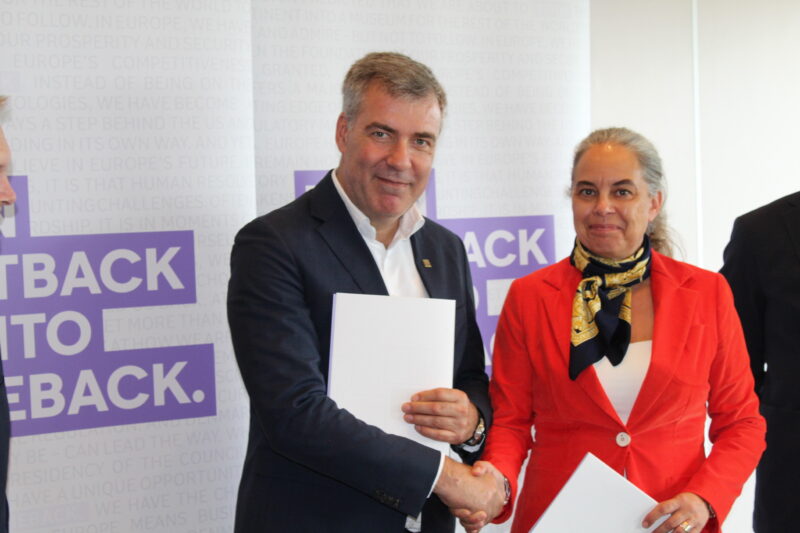
DI contributes to this demand for stronger collaboration by building bridges between different partners and remaining a strong societal player. The Joint Industry Declaration initiated by DI is a good example of this. It unites European business organisations from Denmark, Germany, France, Ireland, Sweden, Norway, and Finland.The declaration asserts that all seven countries’ business organizations – representing over 430,000 European companies – are united in their support for a strong climate goal for 2040.
More concretely, it proposes:
- Advocate for integrating international carbon credits to complement EU decarbonisation efforts while ensuring investment incentives for clean technologies.
- The EU’s credibility in international climate diplomacy is key to balancing ambition with industrial competitiveness.
- Implement robust carbon leakage measures and structural reforms to safeguard EU industries and exports.
- Effective implementation of existing legislation and evaluation of the Fit-for-55 package is essential for fostering investment and maintaining competitiveness.
- Embrace a technology-neutral approach to provide equal treatment for low-carbon and renewable energy solutions, ensuring innovation and investor confidence.
These initiatives could help us get closer to meeting the EU’s climate goals, while enhancing European competitiveness and supporting energy security. And they would help create long-term stability for the businesses that need to make investments in the green transition. Achieving targets requires sustained public support and a strong industrial base; otherwise, little will be gained for the climate, economy, or social cohesion