Skip to content

Case

Combined heat and power production

District heating

Grid and infrastructure

+5

Collaboration fuels Sønderborg’s heat transition

11 November 2026

Solution provider

ProjectZero

ProjectZero is Sønderborg’s cross-sector climate partnership, uniting citizens, businesses, utilities and the municipality to achieve a CO₂-neutral energy system by 2029 - and to serve as a living blueprint for cities around the world.

More from ProjectZero

Want to see this solution first hand?

Add the case to your visit request and let us know that you are interested in visiting Denmark

Challenge

Heating remains a major challenge for cities working to reduce CO₂ emissions. Many homes and businesses still depend on fossil fuels, while replacing oil and gas requires significant investments, infrastructure planning and citizen engagement.

In Sønderborg, the challenge was to transition an entire municipality, including urban areas, small villages and rural homes, to greener heating solutions while ensuring affordability and reliability.

:

From fossil fuels to greener heating

Sille from Sønderborg Municipality shares how cities can speed up the shift to heat pumps and district heating.

Solution

Through ProjectZero, Sønderborg Municipality and local district heating companies developed a shared heat transition plan, mapping heating demand and identifying the most suitable solutions for individual areas.

District heating was prioritised in densely populated areas, while heat pumps became the preferred solution in rural communities. Local utilities simultaneously expanded renewable energy and excess heat integration into district heating networks.

Citizens were engaged through public meetings, targeted communication and an interactive heating map. For homeowners outside district heating areas, a joint heat pump initiative provided independent advice and a group-negotiated offer with volume discounts, allowing homeowners to opt in individually.

Result

Sønderborg has replaced over 10,000 oil and gas boilers with district heating and heat pumps, while CO₂ emissions from district heating have fallen by 68% compared to 2007.

Today, district heating produces around 90% less CO₂ per household than natural gas heating, demonstrating the impact of coordinated planning and cleaner energy sources.

Sønderborg’s experience offers a scalable blueprint for cities worldwide: By combining detailed heat mapping, locally adapted technologies and collaboration between municipalities, utilities and citizens, cities can accelerate the transition away from fossil fuels without relying on new technological breakthroughs.
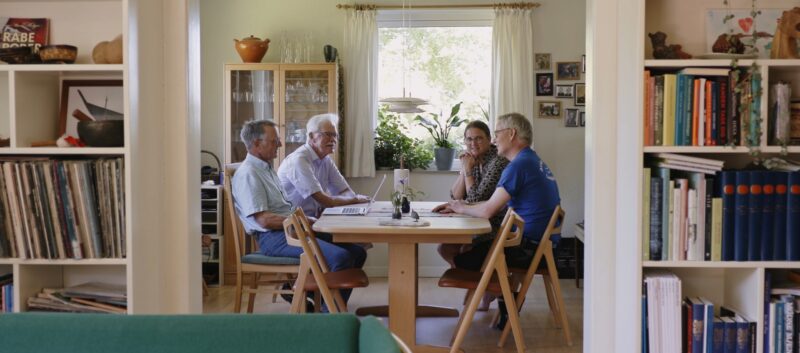

Citizens driving the heat transition

In some villages, residents even took the initiative to bring neighbours together around district heating, demonstrating the power of local engagement.